
Swedish Massage, Benefits, Techniques, and What to Expect
Soft light settles over the room. Warm hands meet your shoulders, the table holds your weight, and that first deep breath tells your body it can finally let go. In that quiet moment, Swedish Massage feels simple in the best way, calm, steady, and deeply comforting.
It’s one of the most popular massage styles for a reason. Swedish Massage is gentle enough for first-timers, yet effective enough to ease everyday tension, calm a busy mind, and help sore muscles soften without intense pressure. If you want a massage that blends relaxation with light muscle relief, this is often where people start, and many never stop loving it.
That broad appeal still holds strong today. Swedish massage remains a favorite in spas and wellness spaces because most people want exactly what it offers, stress relief, smoother circulation, and a classic full-body experience that doesn’t feel harsh or overwhelming. In many cases, people ask for it without using the name at all, they simply say they want to relax.
In this article, you’ll get a clear look at how Swedish Massage works and why its flowing strokes, kneading, and rhythmic movements feel so good. You’ll also learn what happens during a session, which techniques therapists use, the benefits you can expect, and how it compares with other massage styles.
So whether you’re booking your first appointment or you already know the comfort of slow, skilled touch, this guide will help you understand what makes Swedish Massage such a trusted choice. It’s soothing, approachable, and often exactly what the body asks for after too much strain, stress, or noise.
What Swedish Massage Is and Why So Many People Love It
Swedish Massage is a gentle, full-body massage that uses light to medium pressure, long flowing strokes, and kneading to relax the body and calm the mind. It doesn’t try to overpower sore muscles. Instead, it coaxes them to soften, the way warm water helps a clenched hand slowly open.
That balance is a big reason people keep coming back. Swedish Massage has held a trusted place in spas and wellness spaces for years because it feels approachable, soothing, and easy to enjoy. If you’re new to massage, worn down by stress, or simply want relief without heavy pressure, this is often the style that fits best.
The simple goal, relax the body and ease everyday tension
At its heart, Swedish Massage is about comfort. The strokes are smooth, steady, and rhythmic, which helps your whole system settle down. Shoulders drop, jaws unclench, and breathing gets deeper without you having to force it.
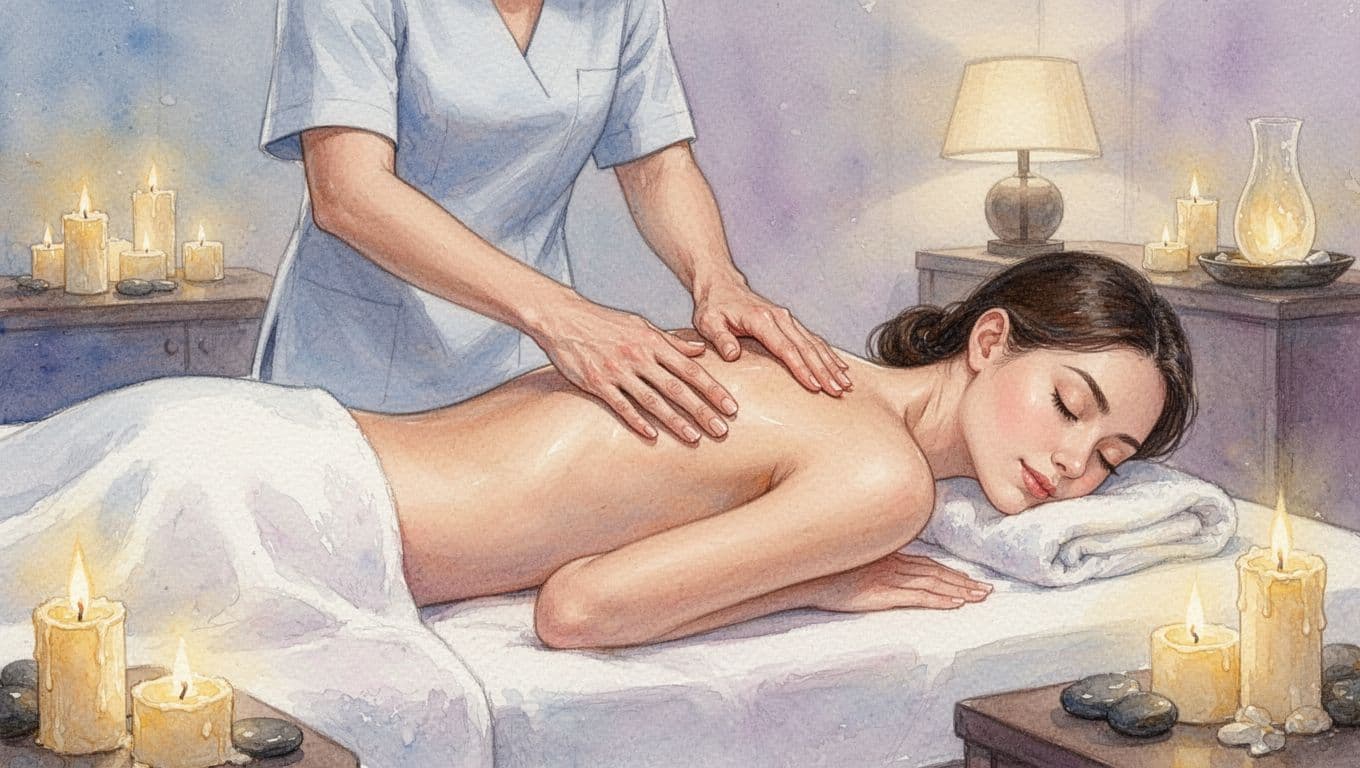
Unlike more intense styles, Swedish Massage isn’t built around pain. You shouldn’t feel like you’re bracing yourself on the table. Instead, the pressure stays light to medium, and the goal is to help blood move well, ease surface-level muscle tension, and leave you feeling lighter from head to toe.
That doesn’t mean it can’t help tight muscles. It can. A skilled therapist can still work into knots with kneading and focused touch. Still, its real strength is deep relaxation, the kind that quiets a noisy mind while your body lets go of the strain it has been carrying all day.
Swedish Massage feels less like a workout for your muscles and more like a reset button for your whole body.
Because of that, it’s a favorite for first-timers, busy workers, travelers, and anyone who feels stretched thin. Sometimes what you need most isn’t intense pressure. It’s space to breathe, soften, and rest.
A short look at where Swedish Massage came from
The roots of Swedish Massage go back to the 19th century. Per Henrik Ling, a Swedish teacher known for movement and physical training, helped shape early methods that linked touch, movement, and health. His work laid part of the foundation for what people later came to recognize as Swedish Massage.
Later, Johan Georg Mezger, a Dutch physician, helped organize and name the core massage strokes. That’s a key part of the story. While the method grew over time, Mezger gave it a clearer structure, which made it easier to teach and practice.
As the approach spread, it became known for a standard set of strokes used around the world, including:
- Long gliding strokes to warm the muscles
- Kneading movements to loosen tight areas
- Rubbing and circular pressure to work through tension
- Rhythmic tapping to stimulate the tissues
Because the method was clear and repeatable, it became the classic massage many people picture first. In other words, Swedish Massage didn’t become popular by accident. It earned that place by being simple, effective, and deeply comforting.
The five classic Swedish Massage techniques and what each one does
Every Swedish Massage session is built from a small set of classic strokes. They may look simple from the table, yet each one has a clear job. Some calm the nervous system, some wake up sleepy tissue, and some work through the spots that feel stuck.
Think of these techniques like tools in a careful sequence. One opens the door, another works through the tight places, and another helps the body settle again. That rhythm is part of why Swedish Massage feels so smooth and complete, instead of random hands moving over skin.
Effleurage, the long gliding strokes that help you settle in
Effleurage is usually the first thing you feel. These are the long, flowing strokes that glide over the skin with open hands, often moving toward the heart. They feel smooth, steady, and reassuring, like a warm wave passing over the body.
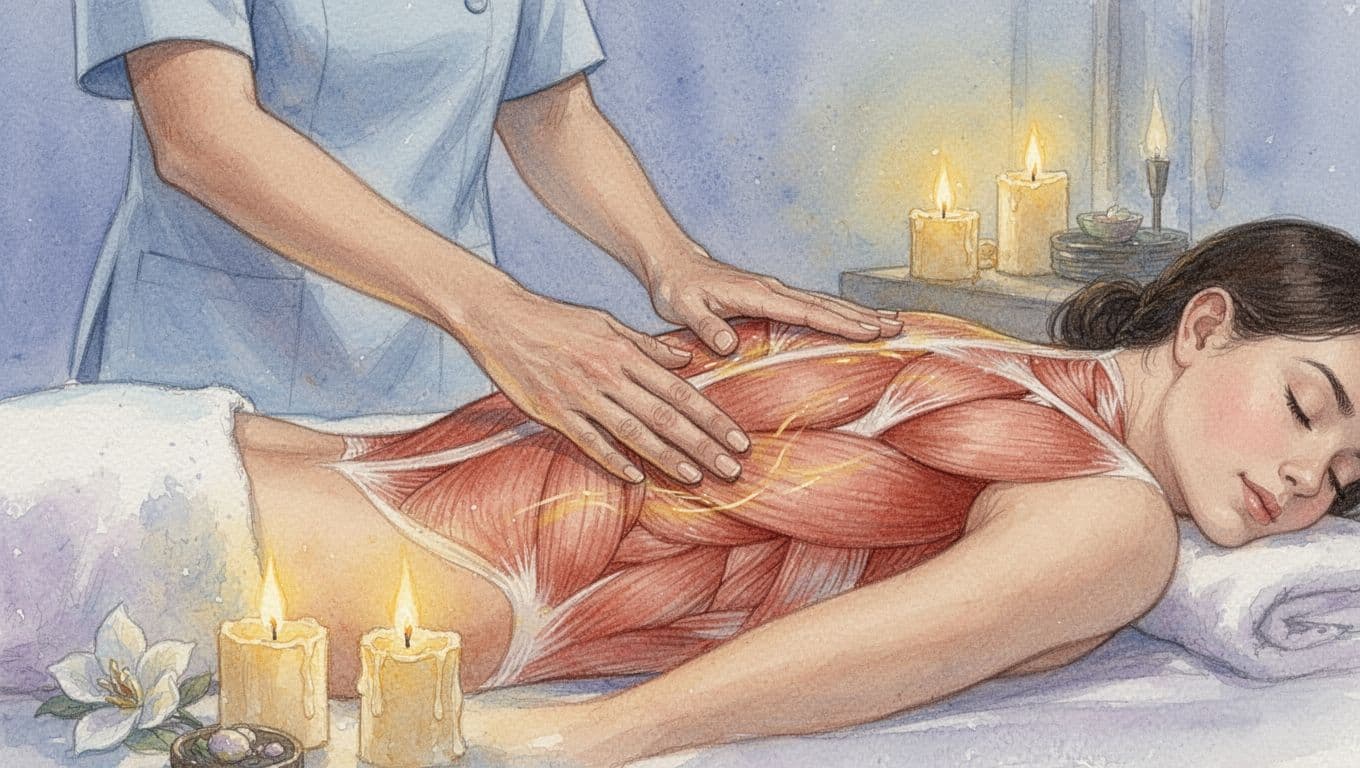
At the start of a Swedish Massage, effleurage helps spread oil or lotion so the therapist can move without drag. Just as important, it begins to warm the muscles. Cold, guarded tissue tends to resist pressure. Warm tissue starts to soften, which makes the rest of the massage more comfortable and more useful.
These strokes also help the therapist “read” your body. Under those gliding hands, small clues show up fast. A shoulder may feel dense, the lower back may seem ropy, or one calf may hold more tension than the other. Before deeper work begins, effleurage gives a map of where stress is sitting.
For you, the feeling is often immediate. Breathing slows. The table feels softer. That busy, braced sensation starts to melt. Because the pressure is broad and even, your body doesn’t have to defend itself. Instead, it gets the message that it’s safe to let go.
Effleurage often returns throughout the session, not just at the start. A therapist may use it between deeper techniques to soothe an area and keep the massage flowing. It also tends to close out a section of work. After focused attention on the shoulders or legs, those long strokes smooth everything over again, almost like pressing a sheet flat after shaking out the wrinkles.
In Swedish Massage, effleurage is the welcome, the bridge, and often the gentle goodbye for each area of the body.
Petrissage, the kneading that works through tight, tired muscles
If effleurage is the smooth opening, petrissage is where the hands begin to really work. This technique includes kneading, lifting, squeezing, and rolling the muscles. It often feels like the therapist is picking up the tissue slightly, then gently pressing and releasing it.
A simple way to picture petrissage is kneading bread dough, but with care and rhythm. The hands don’t just slide across the surface. Instead, they gather the muscle, move it, and encourage it to loosen. That change matters because many sore areas are not just tight on top. They feel thick, heavy, and stuck underneath.
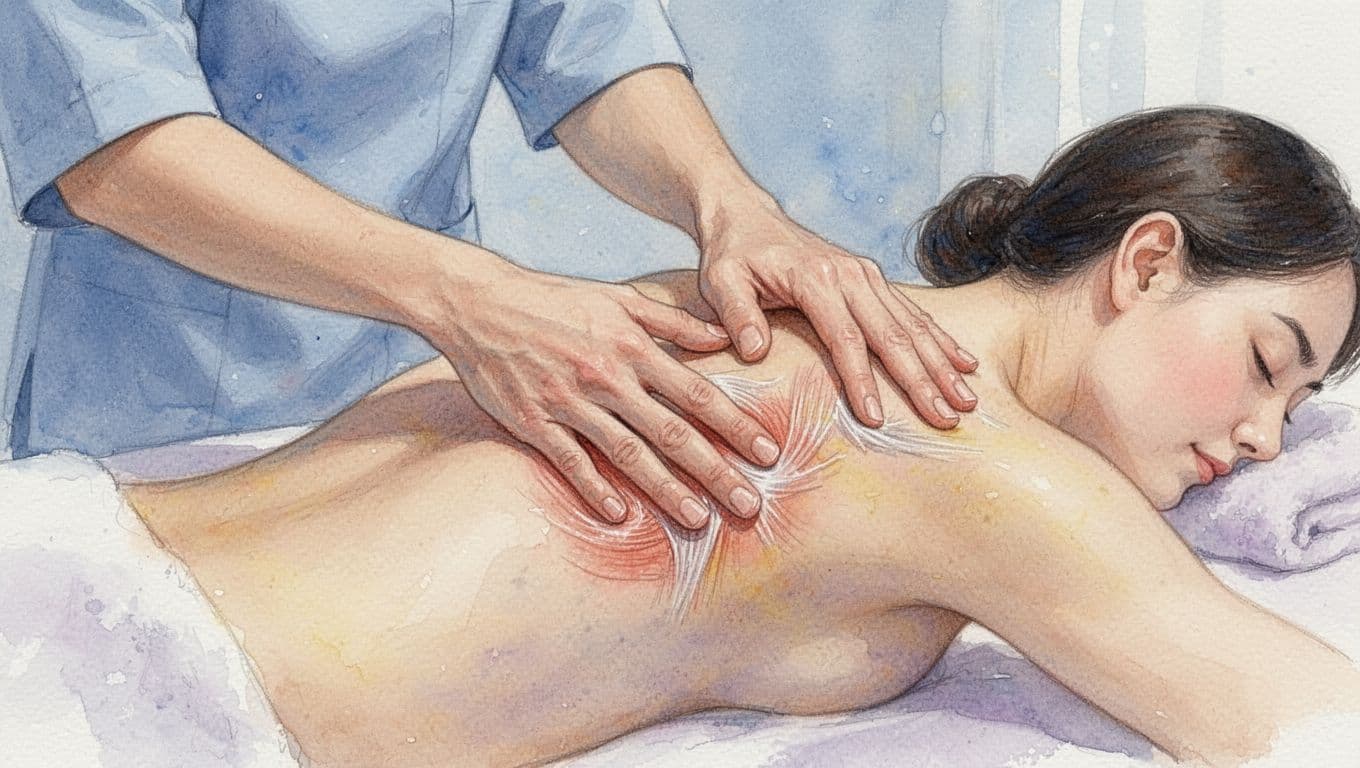
During Swedish Massage, petrissage commonly shows up on the shoulders, upper back, neck, arms, and calves. These are the places that carry daily effort. Hours at a desk, workouts, driving, stress, and poor sleep can all leave muscles feeling packed tight. Kneading helps break up that clenched, overworked feeling.
This technique can support circulation because it presses and releases the tissues in a steady pattern. That pumping action helps move blood into the area and encourages waste products to clear out. You don’t need to think about the mechanics on the table, though. What you notice is the result. Muscles feel warmer, lighter, and less stubborn.
Petrissage also creates that satisfying “worked-on” feeling many people love after a massage. Not sore in a harsh way, but pleasantly loose, like your shoulders finally dropped an inch. If effleurage feels like a sigh, petrissage feels like someone patiently untying the knots in a rope.
Still, good petrissage shouldn’t feel rough or rushed. The therapist adjusts pressure to the body part and to your comfort. On fleshy areas, the kneading may be fuller and deeper. Around smaller or tender spots, it becomes slower and more precise. That control is what makes Swedish Massage feel therapeutic without becoming too intense.
Friction, tapotement, and vibration, the smaller moves with a clear purpose
Not every Swedish Massage stroke is broad and flowing. Some techniques are smaller, sharper, and more focused. Friction, tapotement, and vibration may take up less time in the session, but each one adds something useful when applied in the right place.
First, friction is the deeper, targeted rubbing used on tight spots. The therapist usually works with fingers, thumbs, or the heel of the hand, making small circles or short back-and-forth movements. Unlike effleurage, friction doesn’t glide far. It stays with the trouble spot and works into it.
That focused pressure can help on areas that feel stubborn, such as the top of the shoulders or around the shoulder blades. It creates heat, encourages the tissue to loosen, and can soften those sticky, bound-up places that refuse to relax with lighter strokes alone. Because it is more exact, friction may feel intense for a moment, but it should still stay within a comfortable range.
Next comes tapotement, the rhythmic tapping, chopping, or drumming motion. This is the most lively of the Swedish Massage techniques. The therapist may use the side of the hands, cupped hands, or fingertips to create a light, quick beat on the body.
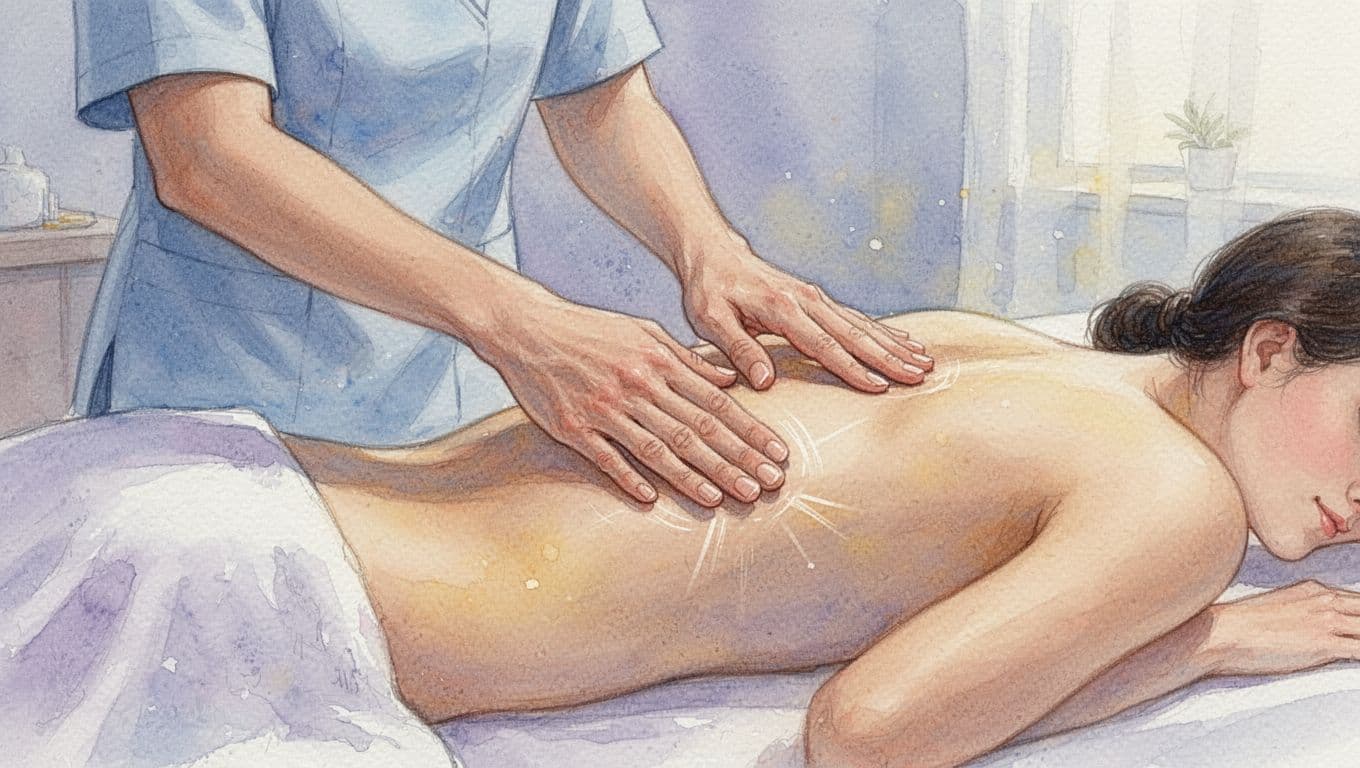
Tapotement can wake up the tissues and bring a sense of energy to an area. While Swedish Massage is known for relaxation, it isn’t always sleepy from start to finish. A little rhythmic tapping can refresh the muscles, encourage circulation, and add contrast to the slower strokes. Used well, it feels stimulating, not jarring.
Then there is vibration, a gentle shaking, trembling, or fine rocking movement. This technique is subtle, and because of that, people sometimes overlook how effective it can be. The therapist places the hands on a muscle group and creates a light quiver through the tissue.
Vibration helps loosen guarded muscles without heavy force. It can also bring a strange but pleasant sense of release, especially when an area feels tired yet still clingy with tension. On the back or shoulders, it often feels like the muscle is being coaxed to stop gripping.
These three techniques work best when you think of them as finishing tools, not the whole session. In simple terms:
- Friction targets a tight spot and works into it.
- Tapotement adds rhythm and stimulation.
- Vibration softens tension with a gentle shake.
Together, they give Swedish Massage more range. Long strokes calm you, kneading works the muscles, and these smaller moves fine-tune the result. That balance is what makes the classic method feel so thoughtful. Every stroke has a reason, and your body can feel the difference.
What Swedish Massage can do for your body and your mood
A good Swedish Massage often changes the way your whole body feels, not just one tight spot. Muscles soften, breathing gets easier, and that worn-out, heavy feeling can start to lift. At the same time, your mind often follows your body’s lead, settling into a quieter pace.
That mix is part of its staying power. Swedish Massage is gentle, steady, and familiar, yet it can still make a long day feel farther away. While results vary from person to person, many people notice a clear shift in comfort, tension, and mood by the end of a session.
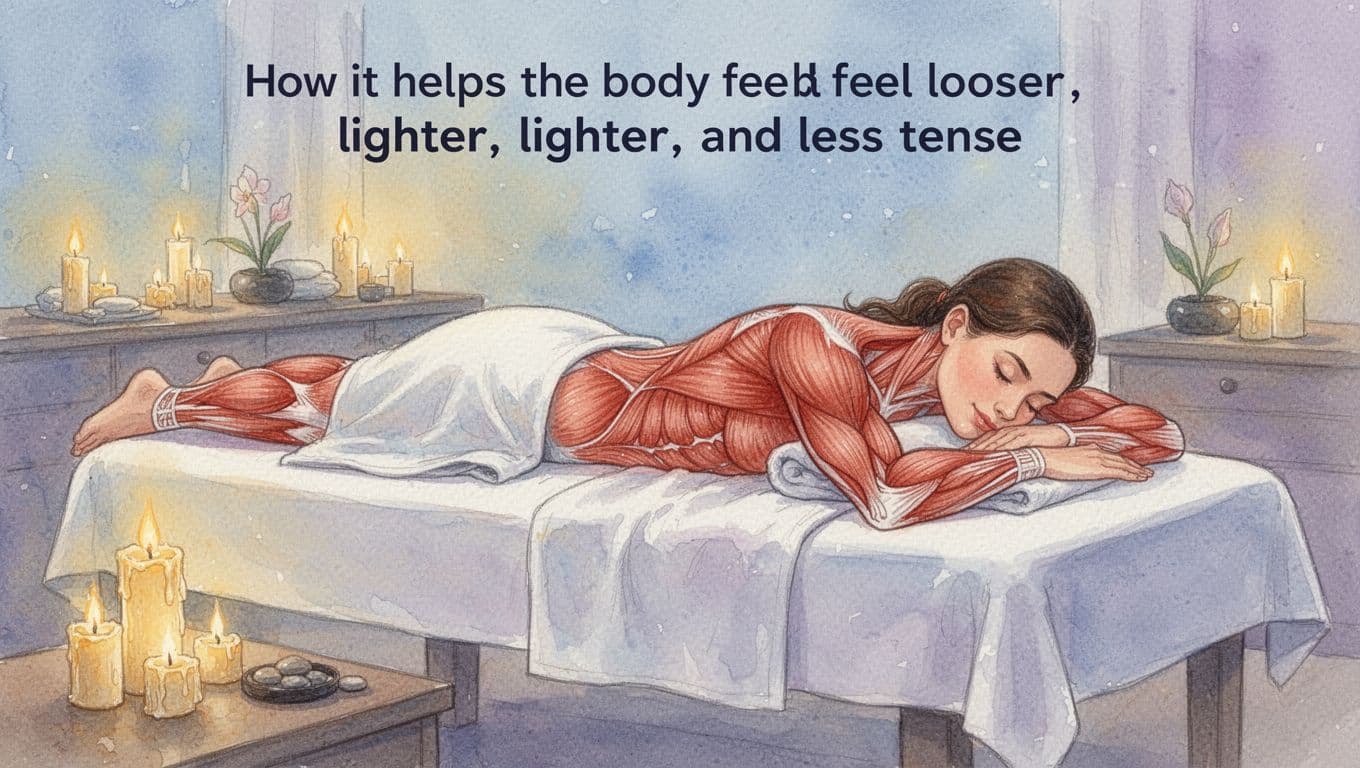
How it helps the body feel looser, lighter, and less tense
One of the first things people notice after Swedish Massage is a sense of space in the body. Shoulders stop creeping toward the ears. The neck turns more easily. Even your arms and legs can feel less like they are dragging around the day’s stress.
That change often starts with circulation and soft tissue relaxation. Long gliding strokes and kneading warm the muscles and encourage blood flow through the area. As a result, tissues that felt guarded or sluggish may begin to soften, which can leave you feeling lighter and more at ease.
If your body feels stiff after desk work, travel, or too many hours on your feet, this style of massage can be especially welcome. Sitting still for long stretches often leaves the hips tight, the upper back dense, and the calves dull and achy. After a session, movement may feel smoother, almost like a door that no longer sticks in the frame.
Swedish Massage can also help with mild soreness that builds up after ordinary life. Maybe your lower back feels tired after a commute. Maybe your shoulders ache after hunching over a laptop. In those cases, the goal is not to force the muscle to change, but to coax it out of that clenched state.
Many people also enjoy the simple comfort of feeling more at home in their body again. That matters more than it sounds. When stiffness drops, small things get easier:
- Walking can feel less heavy and more fluid.
- Turning your head may take less effort.
- Resting on the couch or in bed can feel more comfortable.
- Getting up after sitting may feel less creaky.
For some people, this easier physical state also supports better sleep. A body that feels less tight and less sore often settles into rest with less resistance. It is not a cure for sleep problems, of course, but after a relaxing session, some people find it easier to drift off and stay more comfortable through the night.
Swedish Massage often feels like someone gently wringing stress out of the muscles, then smoothing the fabric flat again.
Why it often helps the mind slow down too
The mental effect of Swedish Massage can be just as noticeable as the physical one. Once the body stops bracing, the mind often eases off too. That shift is one reason a session can feel like more than muscle work, it can feel like a full-system exhale.
Part of this comes from the way calm, steady touch can support a nervous system downshift. During a busy week, your body may stay stuck in go-mode. Muscles stay alert, thoughts keep stacking up, and rest never quite lands. A quiet room, rhythmic strokes, and one hour without demands can interrupt that pattern in a very simple way.
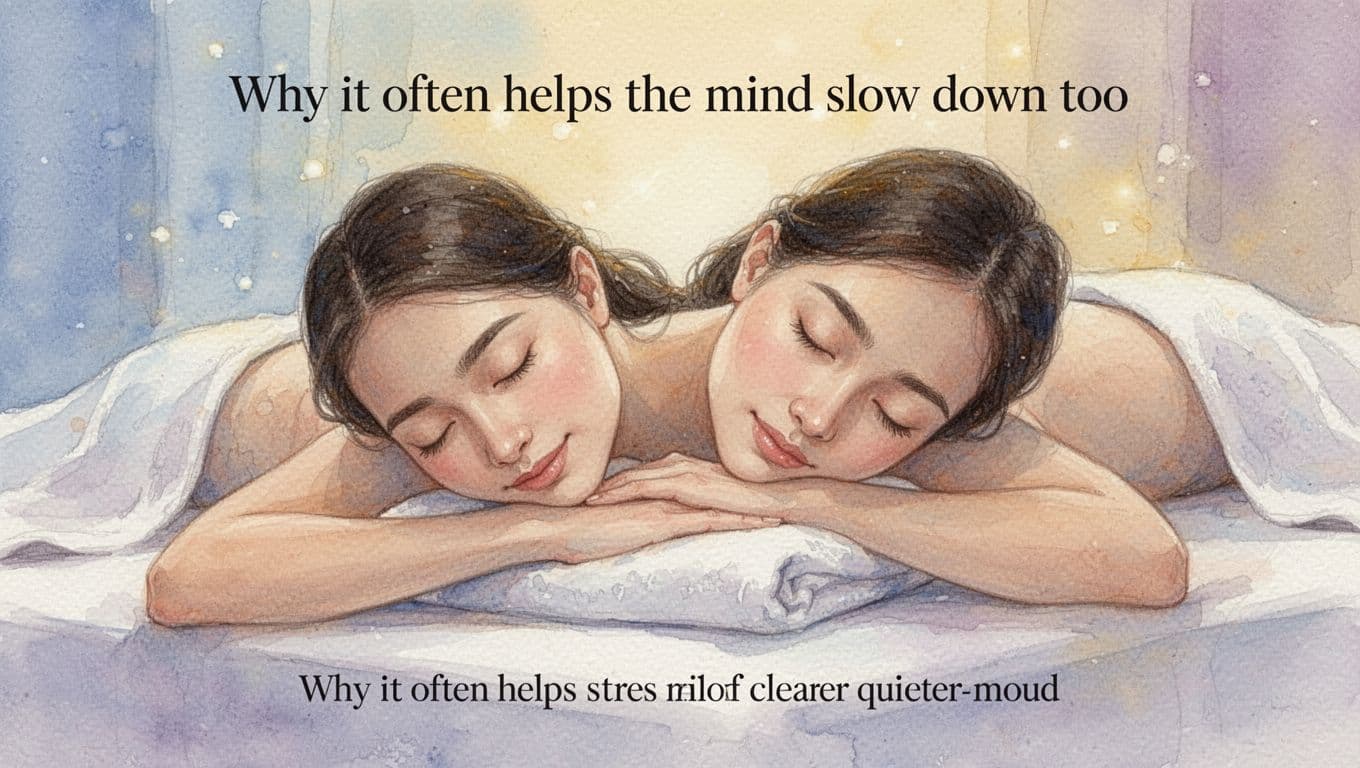
Stillness has real value here. Most people do not spend much time doing absolutely nothing. During Swedish Massage, there is nowhere to be, nothing to answer, and no task to finish. Because of that, the mind often stops sprinting and starts to quiet down.
Some people notice this change halfway through the session. Their jaw loosens. Their breathing deepens. Thoughts lose their sharp edges. Others feel it afterward, when the world seems a little less loud and they feel more present than scattered.
That calming effect is a big reason Swedish Massage is so often linked with stress relief. It may not erase the reason you were stressed in the first place, but it can soften your response to it for a while. In other words, the storm outside may still exist, but inside, the windows stop rattling.
Many people leave the table feeling:
- Clearer, because mental noise has settled
- Quieter, because the body is no longer sending so many distress signals
- More rested, because deep relaxation can feel close to sleep without actually sleeping
For some, that calmer state lingers into the evening and makes bedtime easier. If stress tends to keep your mind buzzing, Swedish Massage may help create the kind of softness that lets sleep come more naturally. Not every session leads to that result, but it is a common reason people keep booking another one.
What the research and real-world use suggest
Research on massage continues to grow, and the most grounded takeaway is fairly clear. Massage, including Swedish Massage, is widely used for relaxation, short-term stress relief, and help with everyday muscle tension. Studies also suggest moderate support for short-term pain relief, easier movement in some cases, and possible benefits for mood, circulation, and sleep. Still, the size of those effects can vary.
That careful wording matters. Swedish Massage is not a magic fix, and it should not replace medical care when pain, injury, or sleep issues need proper evaluation. Yet it remains a trusted choice because many people do feel better after a session, especially when tension, stress, or mild soreness are part of the picture.
Some findings suggest that massage may help lower stress markers and support a calmer state in the body. Other research points to small to moderate gains in comfort, range of motion, or soreness relief, especially over the short term. Those results are encouraging, but they are not the same as a blanket promise for everyone.
Real-world use tells a similar story. People keep choosing Swedish Massage because it feels approachable, soothing, and effective enough to notice without feeling intense. You do not have to brace for it. You do not need a high pain tolerance. Instead, the experience meets many people where they are, tired, tense, overstimulated, or simply in need of a reset.
In practice, the benefits often make the most sense for common, everyday strain, such as:
- Long hours at a desk
- Tightness after travel
- Mild muscle soreness after busy days
- Stress that leaves the body feeling wound up
- General fatigue that makes rest harder
So, what should you expect? The fairest answer is this: many people feel better, calmer, and more comfortable afterward, but not in the exact same way every time. That balance of comfort and realism is part of why Swedish Massage has stayed popular for so long. It offers a gentle kind of relief, and for many bodies and minds, that is more than enough to matter.
What to expect before, during, and after a Swedish Massage session
If you’re booking your first Swedish Massage, knowing the flow can make the whole experience feel lighter before you even walk in. A good session should feel calm, clear, and easy to follow, from check-in to the moment you step back outside.
Most spas keep the process simple. You arrive, share a few details, settle onto the table, and let the therapist guide the rest. The best part is that you never have to guess in silence, because comfort, pressure, and privacy should always be open for discussion.
How to get ready so your session feels easy from the start
A little prep goes a long way. Swedish Massage is meant to relax you, so anything that keeps you from feeling rushed helps the session start on a softer note.

Try to arrive about 10 to 15 minutes early. That gives you time to check in, use the restroom, sip a little water, and settle your breathing before the massage begins. Walking in flustered can make your body feel like it’s still wearing its coat.
It’s also smart to avoid a heavy meal right before your appointment. A full stomach can make lying face down uncomfortable, especially during a full-body session. A light snack is usually fine, and water is a good idea both before and after.
Before the session starts, the therapist will often ask a few basic questions. This part matters more than many beginners think. Speak up about:
- Injuries or recent strain, even if they seem minor
- Pain points, such as neck stiffness or low back tension
- Pressure preferences, whether you like a lighter touch or a bit more firmness
- Areas to avoid, such as tender skin, bruises, or recent procedures
If you’re unsure about pressure, say that too. You don’t need the perfect words. Even a simple “medium, but gentle on my shoulders” gives your therapist something useful to work with.
Then comes the clothing question, which many first-timers quietly worry about. The answer is simple: undress to your comfort level. Some people keep underwear on, others don’t. Either way, you stay covered with a sheet or towel, and only the area being worked on is uncovered.
For a first Swedish Massage, 60 minutes is a common session length. It gives enough time for a full-body experience without feeling too long. If you want more time on the back, shoulders, or legs, longer sessions can make sense, but one hour is a very normal place to start.
The more clearly you share what your body needs, the easier it is for the therapist to shape the session around you.
What happens on the massage table, step by step
Once the therapist leaves the room, you’ll undress to your comfort level and get on the table under the top sheet or towel. Usually, you’ll start face down, with your head resting in a cradle and your body supported by a padded table. The room is often warm, softly lit, and quiet, sometimes with low music in the background.
At that point, the therapist will knock, come back in, and begin only when you’re ready. Swedish Massage usually starts with oil or lotion, which helps the hands glide without pulling at the skin. The first strokes are often broad and smooth, easing your muscles into the work like a slow tide coming in.
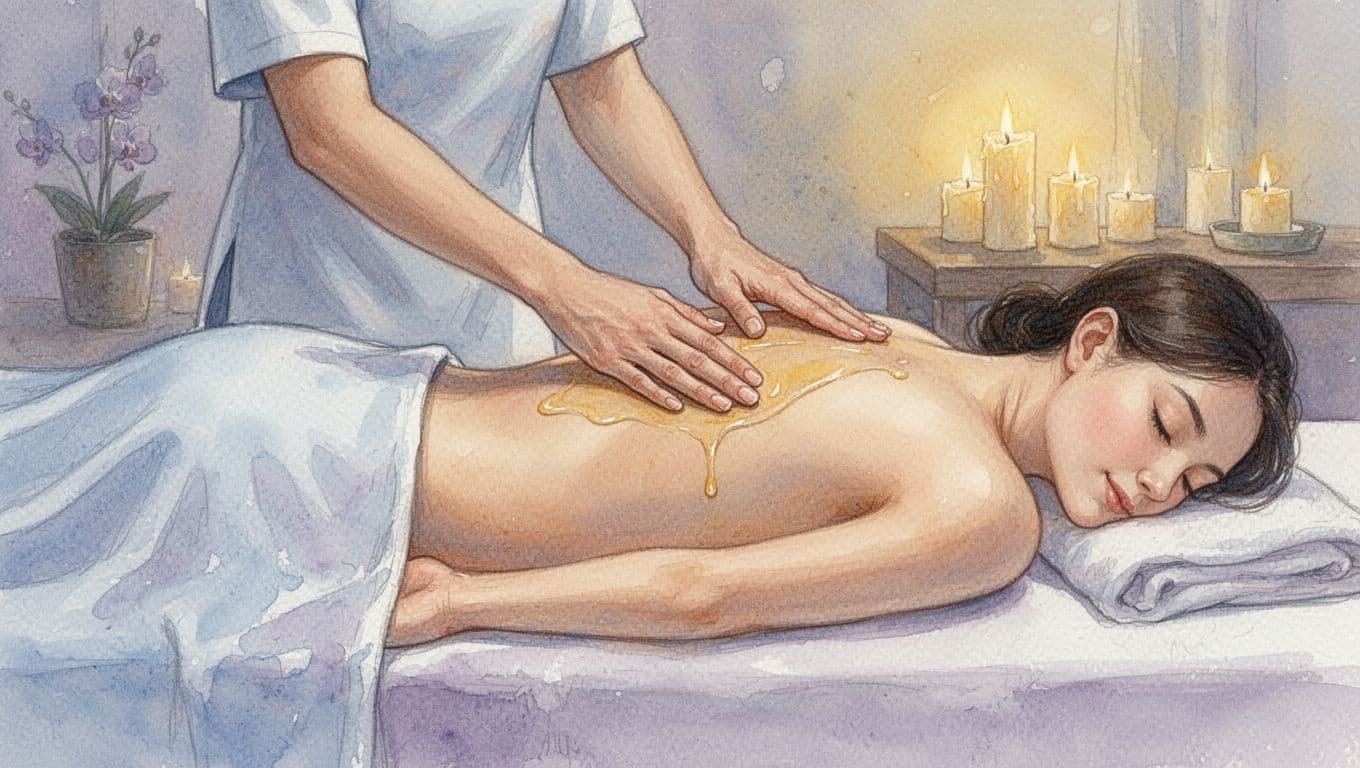
In many sessions, the flow moves in a familiar order. The therapist may begin with the back and shoulders, then move to the legs and feet, and sometimes the arms and hands while you’re still face down. After that, you’ll be asked to turn over, and the work continues on the front of the legs, arms, shoulders, neck, and sometimes the scalp.
The exact order can vary, but the feel stays consistent. Long gliding strokes warm the muscles, kneading works through tight spots, and lighter finishing strokes calm the area again. It should feel organized and unhurried, not random.
Draping is part of what helps many people relax. You remain modestly covered the whole time, and the therapist only folds back the sheet enough to work on one area at a time. If you’ve never had a massage before, that detail can be reassuring. You’re not lying out in the open, you’re tucked in, warm, and handled with care.
Communication matters during the massage, too. Even if the room is quiet, you can speak up at any point. In fact, you should if something feels off. That includes:
- Pressure that’s too light or too strong
- Table warmth or room temperature that makes it hard to relax
- Positioning if your neck, chest, knee, or lower back feels strained
- Sensitive areas you want the therapist to approach more gently
A good Swedish Massage is not a test of endurance. You don’t need to lie there and hope discomfort passes. If your face cradle feels awkward or your shoulder needs support, say so. Small adjustments can change the whole session.
Some people chat during a massage. Others barely speak after the first minute. Both are fine. Once your body settles, you may notice your thoughts drifting like leaves on water. That’s part of the appeal. For an hour, your job is simply to breathe and let go.
What to do after the massage to keep the relaxed feeling longer
When the session ends, the therapist usually leaves the room so you can get up and dress in private. Give yourself a moment. Standing too fast after deep relaxation can make you feel a little floaty, like your body is still waking from a nap.

Afterward, water is a smart first step. You don’t need to overdo it, but a glass or two can feel good, especially if the room was warm or the session left you sleepy. Your muscles have just had focused hands-on work, so a little hydration and a slower pace help the calm feeling stick around.
It’s also helpful to notice how your body responds over the next few hours. Some people feel loose and light right away. Others feel sleepy, deeply settled, or even a little lightly sore, especially if certain tight areas got extra attention. Mild soreness can be normal, much like the soft ache after stretching a stiff muscle.
For the rest of the day, it often helps to keep things simple. You don’t need to tiptoe around life, but if you can, give yourself a gentler landing. That may mean:
- Drinking water through the day
- Taking a short walk instead of jumping into hard exercise
- Letting yourself rest if you feel unusually calm or tired
- Paying attention to which areas feel better, looser, or still tight
That last point is useful if you plan to book again. Your body often gives clear feedback after a Swedish Massage. Maybe your shoulders finally dropped, but your calves still feel dense. Maybe your stress melted, yet your neck needs more focused work next time. Those small notes help shape a better second session.
Future booking depends on what you want from massage. If stress piles up quickly, a regular session every few weeks may help you stay ahead of it. If muscle tension builds slowly, you may prefer to book only when your body starts sending those familiar signals, tight shoulders, a stiff back, or that heavy, wound-up feeling at day’s end.
In short, walking out the door should feel easy, not abrupt. Your body has just shifted gears. Treat that softer state like a warm cup in your hands, steady, simple, and worth carrying carefully for the rest of the day.
Is Swedish Massage right for you, and when should you choose something else
Not every massage fits every body, every mood, or every goal. Swedish Massage shines when you want your body to soften, your mind to quiet down, and your muscles to let go without a fight. It’s the massage version of a deep exhale, gentle, steady, and calming.
Still, there are times when another style makes more sense. If your needs lean more toward injury support, athletic recovery, or very deep knot work, Swedish Massage may not be the best first pick. The key is simple, match the massage to what your body is asking for today.
Who usually gets the most from Swedish Massage
Swedish Massage is often the best choice for first-timers. Because the pressure stays light to medium, you can relax into it instead of bracing against it. If deeper massage sounds like too much for your first session, this is usually the safest place to start.
It also suits people carrying plain old stress. If your shoulders live near your ears, your jaw stays tight, or your brain feels noisy, Swedish Massage can feel like someone slowly untangling a knot of string. You don’t need severe pain to benefit. In fact, it often works best when the problem is everyday tension, not a major physical issue.
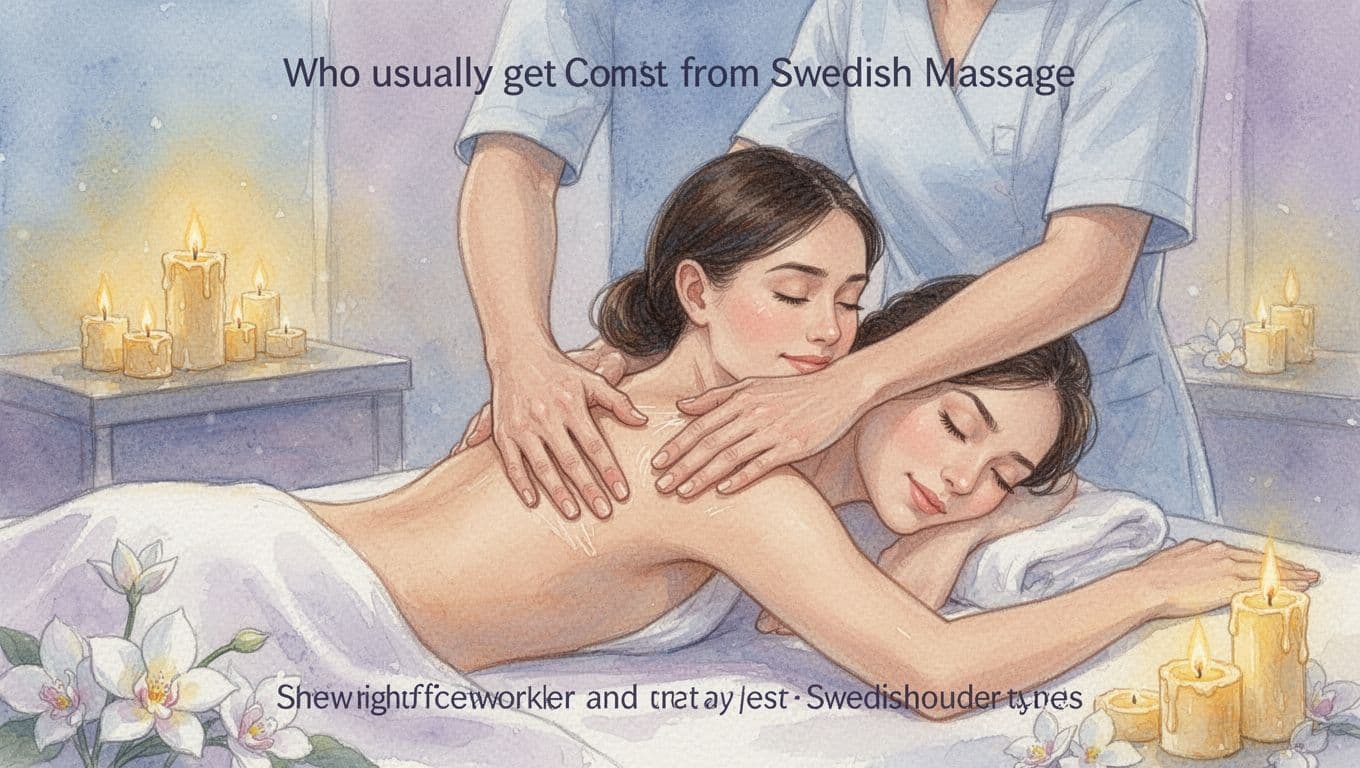
Many people who sit all day love it for the same reason. Office workers, drivers, and anyone glued to a screen often deal with mild neck tightness, a heavy upper back, and tired legs. Swedish Massage helps when your body feels stiff and overused, but not injured.
Travelers often benefit too. Long flights, road trips, and hotel beds can leave you feeling puffy, tense, and oddly disconnected from your body. A calm, restorative session can help you settle back into yourself.
In short, Swedish Massage is usually a great fit if you want:
- A gentle first massage
- Stress relief
- Relief from mild muscle tightness
- A calm, restorative experience
- Relaxation more than intense pressure
If you want to melt into the table, not wrestle with it, Swedish Massage is often the right choice.
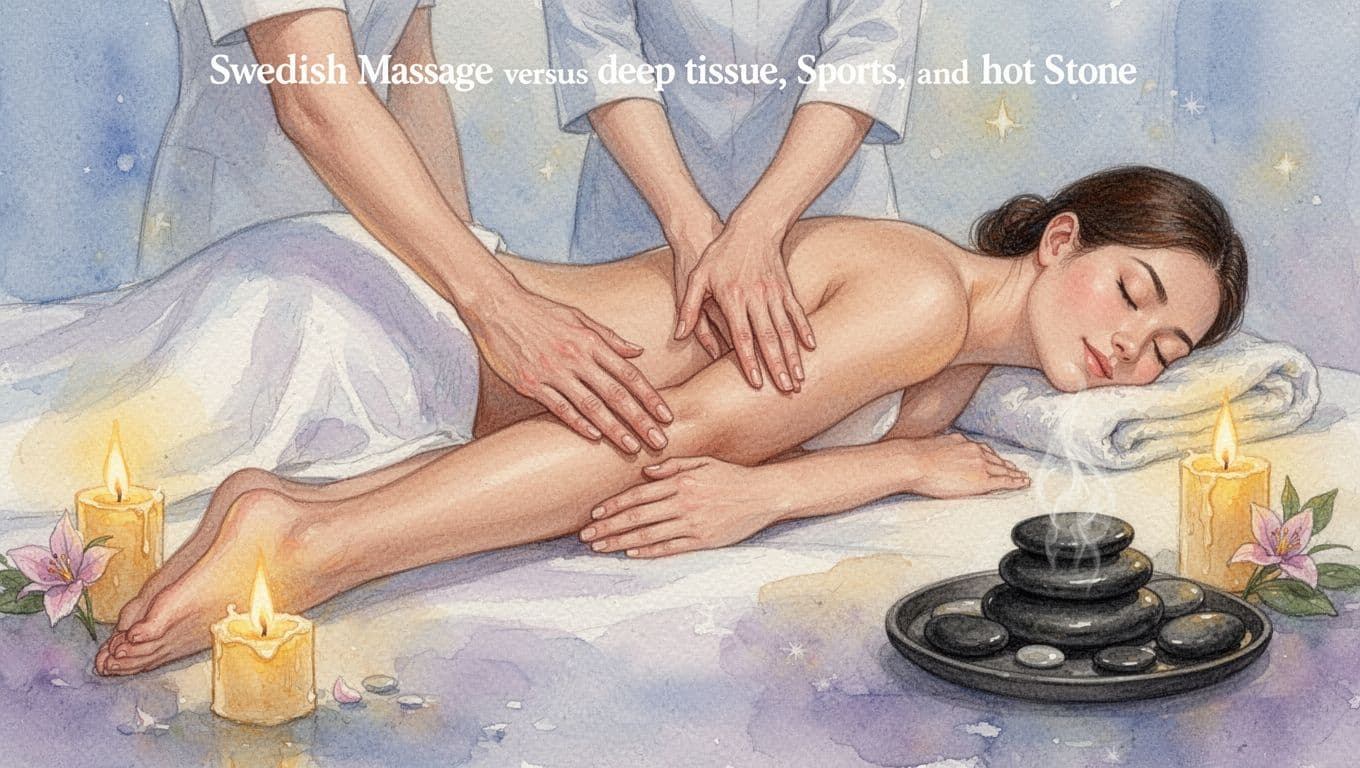
Swedish Massage versus deep tissue, sports, and hot stone
The easiest way to choose is to think about pressure, goal, and fit. Swedish Massage uses lighter, flowing strokes. Its main job is to relax the body, improve comfort, and ease surface-level tension. If your body feels tired, wired, or mildly tight, it’s often the better pick.
By contrast, deep tissue massage uses firmer pressure and slower, more focused work. It’s meant for deeper knots, long-standing tight areas, and people who want targeted muscle work. That can be helpful, but it can also feel intense. If you mainly want calm and comfort, Swedish Massage is usually the wiser choice.
Sports massage is more goal-driven. It often helps active people before or after training, or during recovery from repetitive strain. The pressure may vary, but the purpose is less about drifting off and more about performance, mobility, and specific muscle groups. If you’re not training hard or managing workout-related tightness, Swedish Massage may feel more satisfying.
Then there’s hot stone massage. This style uses warm stones to heat and relax the muscles. It can feel deeply soothing, especially if you love warmth or tend to feel chilled. Still, if you want the simplest classic massage experience, Swedish Massage keeps the focus on hands-on work and steady rhythm.
This quick comparison makes the choice easier:
| Massage style | Pressure level | Main goal | Best fit |
|---|---|---|---|
| Swedish Massage | Light to medium | Relaxation, circulation, mild tension relief | Beginners, stressed people, office workers, travelers |
| Deep tissue | Firm to deep | Target chronic tightness and deeper knots | People who want focused, intense muscle work |
| Sports massage | Medium to firm | Recovery, mobility, training support | Athletes and very active people |
| Hot stone | Light to medium, with heat | Deep relaxation with warmth | People who love heat and extra soothing comfort |
So, when is Swedish Massage the better choice? Pick it when your body feels worn down, tense, or overstimulated, and you want relief that feels kind. Choose something else when your goal is more specific, more corrective, or more intense.
When to be careful or ask a doctor first
Swedish Massage is safe for most people, but there are times to pause first. If you have a fresh injury, a sprain, a pulled muscle, or sharp unexplained pain, massage may irritate the area instead of helping it. In those cases, it’s better to get clear guidance before booking.
You should also check with a doctor first if you have or might have blood clots, a fever, or an active infection. Massage increases movement and circulation, so it isn’t a good idea when the body is fighting illness or when a clot could be present.
The same caution applies to contagious skin issues, open wounds, severe inflammation, or a recent surgery site. Even gentle touch can be too much when tissue is still healing or when skin needs to be left alone.
It’s also smart to ask first if you have certain health conditions, such as:
- Recent surgery
- Severe swelling or inflammation
- Uncontrolled heart or blood pressure issues
- Cancer treatment
- Pregnancy with complications
- Nerve symptoms, numbness, or unexplained pain
This doesn’t mean massage is off-limits forever. It simply means timing matters. A good therapist should ask about health concerns before the session, and you should always speak up if something has changed.
Gentle doesn’t always mean right for every situation. When your body is healing or something feels medically unclear, get advice first.
For everyone else, Swedish Massage remains one of the safest and most welcoming ways to relax, reset, and feel human again.
Conclusion
Swedish Massage has stayed a classic because it gives so many people what they need most, gentle relief, steady comfort, and a quiet place to let the body soften. Its long strokes, light-to-medium pressure, and calm rhythm make it a natural fit for first-timers, busy minds, tired muscles, and anyone who wants care that feels kind instead of intense. Even now, it remains one of the most popular massage styles because relaxation never goes out of style.
At its best, Swedish Massage feels like a deep breath made physical. It eases everyday tension, supports rest, and helps you feel more at home in your own body. While other massage styles may target deeper knots or sport-specific strain, this one still stands apart for its warmth, simplicity, and broad appeal.
So if your shoulders feel heavy, your thoughts feel loud, or your body just wants a softer kind of help, listen to that signal. The right care is often the care that helps you feel safe, settled, and able to exhale again.