
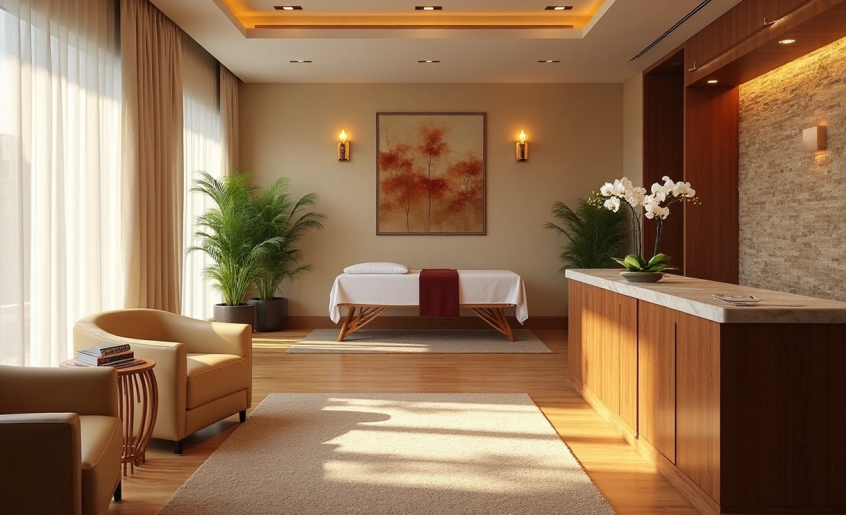
By the time evening falls in Nairobi, a lot of people have already spent hours in traffic, under office lights, and moving from one screen to the next. Shoulders tighten, lower backs start to complain, and even a full night in bed doesn’t always feel like rest. Then the scene changes, the lights soften, the noise drops away, and a quiet massage room offers the kind of pause the city rarely gives.
That contrast is part of why Nairobi Massage has become such a trusted wellness choice for busy residents and visitors alike. It’s not only about comfort, although that matters. It’s also about easing stress, loosening sore muscles, slowing a racing mind, and making sleep come a little easier later that night.
In a city where long commutes, desk work, gym strain, and nonstop schedules can pile up fast, massage feels practical as much as it feels soothing. A gentle Swedish session can help you switch off after a hard week, while deep tissue work can target stubborn knots and post-workout tension. For many people, that one hour of quiet isn’t a luxury, it’s a reset.
Nairobi’s spa scene also gives people real choice. You can find popular options like Swedish, deep tissue, Thai, hot stone, reflexology, aroma, and full-body massage, with sessions that range from simple and affordable to more polished, hotel-style experiences. Current market rates vary widely, often from about KES 1,500 to KES 10,500 for a one-hour session, so there are options for different needs and budgets.
This guide will help you make sense of it all without the guesswork. You’ll get a clear look at the main types of massage in Nairobi, the benefits each one can offer, and how to match a session to what your body actually needs. You’ll also get a practical sense of pricing, booking, what good spas tend to offer, and how to prepare if it’s your first visit.
If you’re looking for relief, better sleep, or just one calm hour in the middle of a loud week, you’re in the right place. The goal isn’t to make massage feel fancy or hard to understand. It’s to help you choose well, feel comfortable, and walk into your session knowing what to expect.
What Nairobi Massage Means Today, and Why More People Are Booking It
Today, Nairobi Massage means more than lying on a table for an hour and hoping your shoulders loosen up. It reflects the way people in the city now think about rest, pain relief, and feeling human again after a long week. Part spa culture, part classic bodywork, part everyday wellness, it fits neatly into Nairobi life because that life can feel loud, tight, and nonstop.
The appeal is also simple. Some people book a session because they need calm. Others want relief from back pain, gym soreness, or tension headaches. And for many, it’s a small reward at the end of a demanding week, like opening a window in a stuffy room and finally taking a full breath.
A fast city makes rest feel more valuable
Nairobi can drain you in ways that build slowly. First it’s the morning commute. Then it’s hours at a desk, eyes on a screen, jaw clenched without you noticing. By evening, your neck feels heavy, your lower back is stiff, and your mind still sounds like traffic.

That wear shows up in different lives. Office workers carry it in the shoulders and wrists. Parents feel it in tired legs and broken sleep. People who train hard feel it in tight calves, sore hips, and overworked backs. Even city noise has a cost, because constant sound keeps the nervous system switched on longer than it should be.
In that kind of rhythm, massage starts to feel less like a rare treat and more like a useful pause. A good session gives the body one clear message, you can let go now. Muscles soften, breathing slows, and the mind stops sprinting for a while. That’s a big reason more people now book Nairobi Massage with purpose, not guilt.
In a busy city, rest isn’t wasted time. It’s repair.
From simple relaxation to full spa rituals
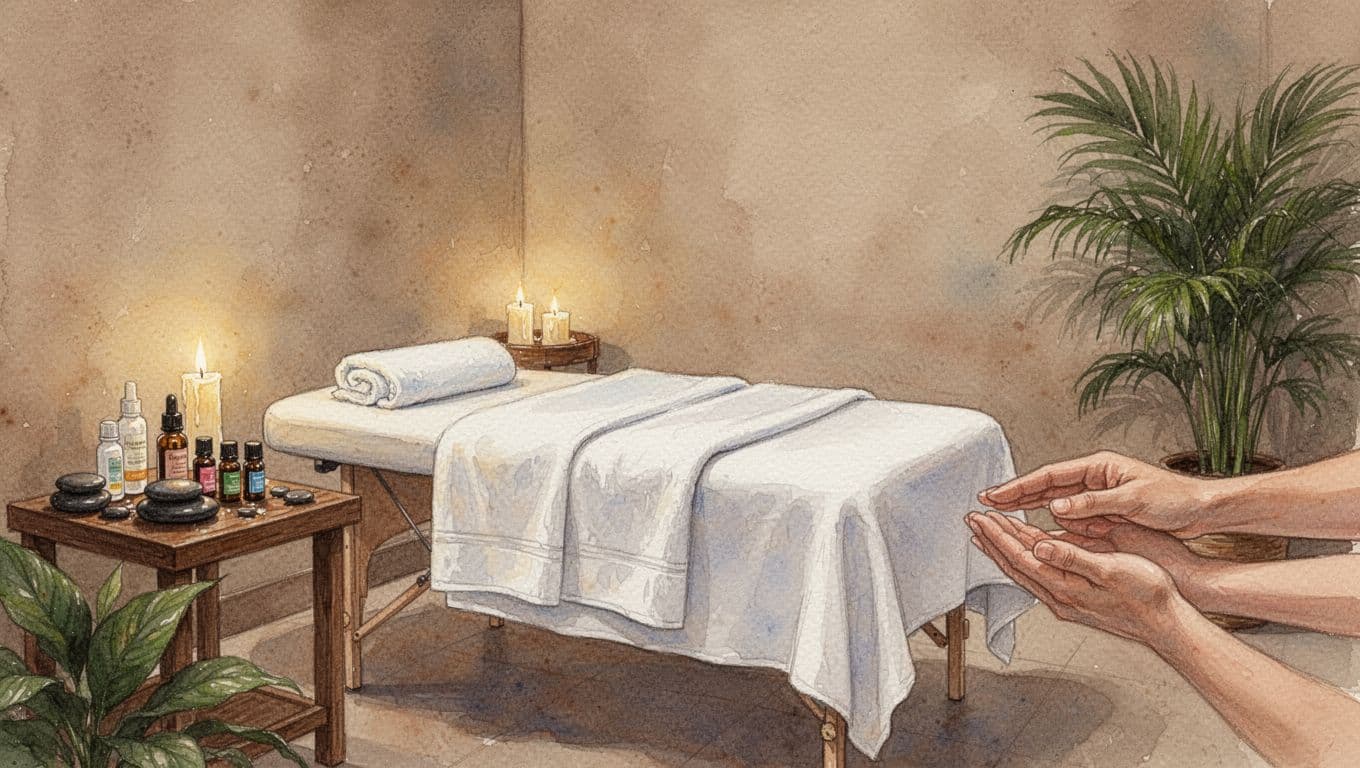
One reason Nairobi Massage keeps growing is choice. You can book a plain, practical 60-minute massage after work and leave feeling lighter. Or you can turn the whole thing into a slower spa ritual, with warm oils, hot stones, soft music, a private room, and time that feels separate from the city outside.
Some people want function first. They need a therapist to work on knots in the upper back, stiffness in the neck, or post-gym soreness. That kind of booking is direct, useful, and often easier on the budget. It fits the person who has one free hour and wants that hour to count.
Others want the full experience. They want the dim lights, the calm scent in the room, the heated stones, and that deep exhale that comes when nothing is pulling at their attention. Nairobi offers both ends of that range, which is part of its appeal. You can go for practical relief or choose quiet luxury, depending on your mood, time, and budget.
That range also says something about the city itself. Nairobi blends modern wellness habits with older ideas of body care and rest. So the spa scene now feels both polished and personal, with global styles shaped around local routines.
Popular Nairobi Massage trends people are asking for in 2026
Current demand shows how specific people have become about what they need. Swedish massage still attracts first-timers and anyone craving a soft landing after a stressful week. Deep tissue remains a favorite for stubborn tension, especially among gym-goers, runners, and people who sit for long hours.
At the same time, more clients are asking for sensory add-ons and more tailored sessions. Aromatherapy massage is popular with people who want to quiet the mind as much as relax the body. Hot stone massage keeps rising because warmth helps tired muscles release faster and feels deeply soothing after cold mornings or hard training days.
There is also growing interest in Balinese massage, which blends pressure, flow, and stretch in a way that feels both calming and firm. Lymphatic drainage is getting more attention from clients focused on swelling, light recovery, and gentle body support. Then there is foot reflexology, a smart pick for people who spend all day walking, standing, or driving through the city.
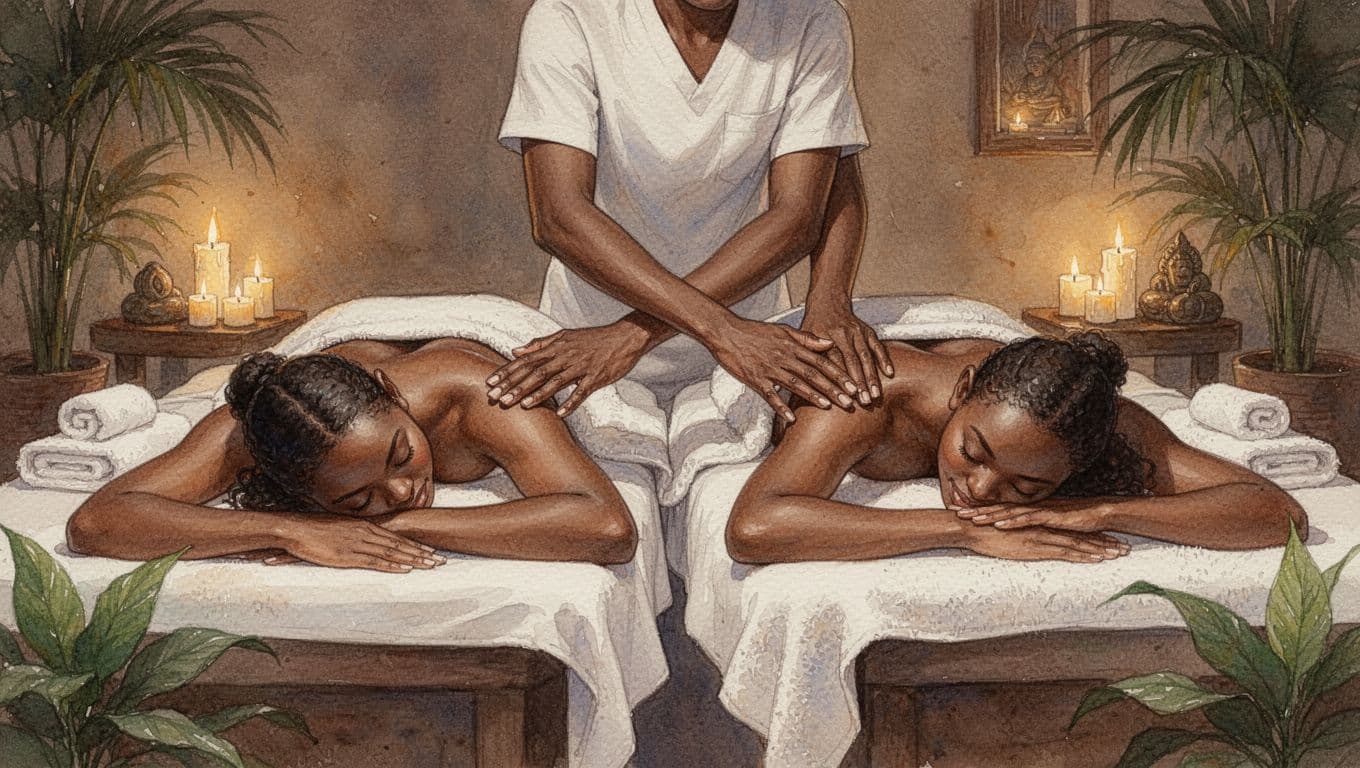
Another clear shift is flexibility. Some clients still want long, slow treatments, but others now ask for shorter targeted sessions. A focused neck, back, or foot treatment fits a packed day much better than a full half-day spa plan. And for shared downtime, couples massage continues to grow because it turns rest into an experience people can enjoy together.
In short, Nairobi Massage today is shaped by real life. It’s built for stress, soreness, sleep, connection, and the need to step out of the noise for a while.
The Best Types of Nairobi Massage, and How to Pick One That Fits Your Needs
Choosing the right Nairobi Massage is a lot like choosing the right pillow. One feels soft and comforting, another gives firm support, and the best choice depends on what your body is asking for that day. Stress, poor sleep, sore shoulders, swollen legs, and post-gym pain all call for something a little different.
The good news is that you don’t need to guess. Once you know how each massage feels, and what it does best, the choice gets much easier. Start with your main goal, then match it to the style that fits.
Swedish massage for stress, light tension, and first-time visitors
If your body feels wound up but not deeply painful, Swedish massage is often the safest place to begin. The pressure is usually light to medium, and the therapist uses long, flowing strokes, gentle kneading, and smooth movements that calm the whole body. It tends to feel soothing from the start, not intense or sharp.
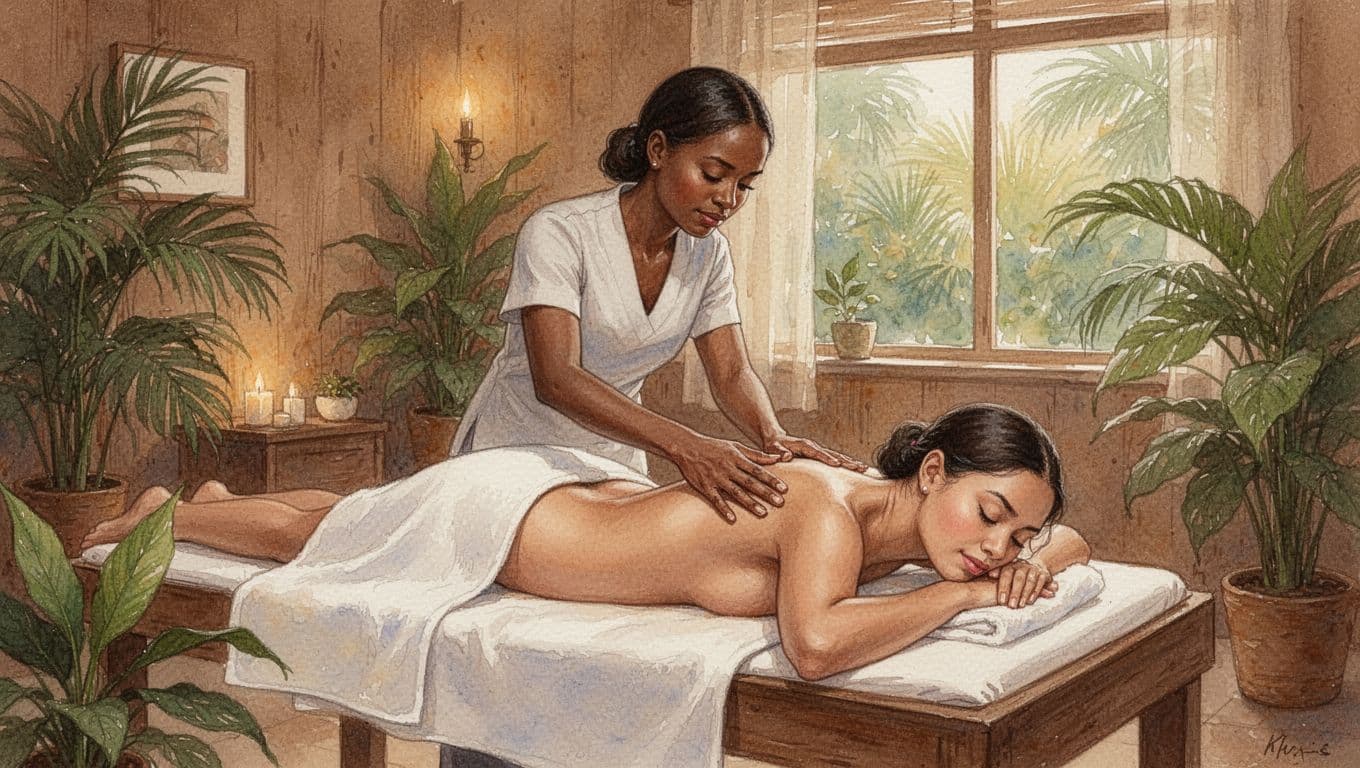
For first-time visitors, that’s a big advantage. You get a full-body session that introduces you to the rhythm of massage without feeling like your muscles are under attack. If deep tissue is a hammer, Swedish is a warm wave rolling over tired sand.
This style works well for people dealing with:
- Work stress and mental fatigue
- Light neck and shoulder tension
- Restless evenings and poor sleep
- General body stiffness from sitting too long
Because the pressure is gentler, many people leave feeling loose, sleepy, and mentally lighter. It can also support better circulation, which helps the body feel less heavy and more refreshed after a long week. If you want calm, comfort, and a low-risk first experience, Swedish massage is usually the best first choice.
If your goal is to relax, switch off, and sleep better later, Swedish massage rarely feels like a wrong pick.
Deep tissue massage for knots, back pain, and workout soreness
Deep tissue massage is more focused, more intense, and much firmer than Swedish. The therapist works slowly into tight bands of muscle, especially around the back, shoulders, hips, and legs. This is the style many people book when they say, “I have a knot right there.”
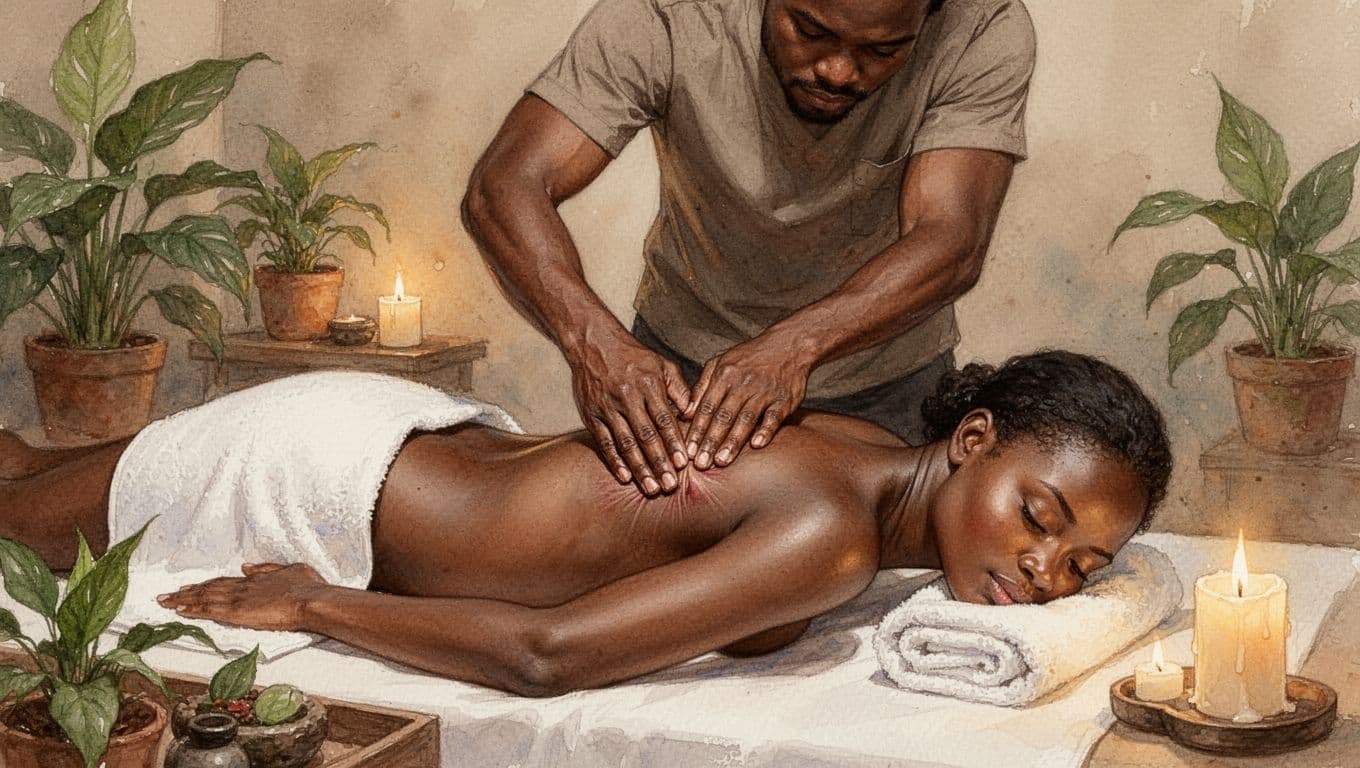
It’s a smart option for stubborn tension, back pain from desk work, and workout soreness that hasn’t eased on its own. Runners, gym-goers, drivers, and office workers often get the most from it because those routines build deep, sticky tightness over time.
Still, firmer doesn’t always mean better. You should speak up about pressure during the session. A good deep tissue massage should feel strong and targeted, but not punishing. Pain that makes you hold your breath or tense up defeats the purpose.
Keep expectations honest, too. One session may help a lot, especially with a nagging spot, but it may not erase months of tension overnight. Think of it as careful repair work, not magic. If your main issue is a specific ache or knot, though, this kind of Nairobi Massage often gives the clearest relief.
Aromatherapy and hot stone massage when you want deep calm
Some days, your body is tired, but your mind is the louder problem. That’s where aromatherapy and hot stone massage stand out. Both are designed to settle the nervous system and make the whole session feel softer, warmer, and more immersive.
With aromatherapy massage, essential oils are blended into the treatment. The scent changes the mood of the room almost at once. That matters because smell is tied closely to memory and emotion, so calming oils can help you slow down faster. The massage itself is often gentle to medium in pressure, with the oils adding a smooth, comforting glide.
Hot stone massage adds a different layer. The therapist places warm stones on key parts of the body or uses them during the massage. Heat helps muscles let go more easily, especially in the back, shoulders, and neck. Instead of forcing a tight muscle to soften, warmth coaxes it open, like sunlight loosening a closed flower.
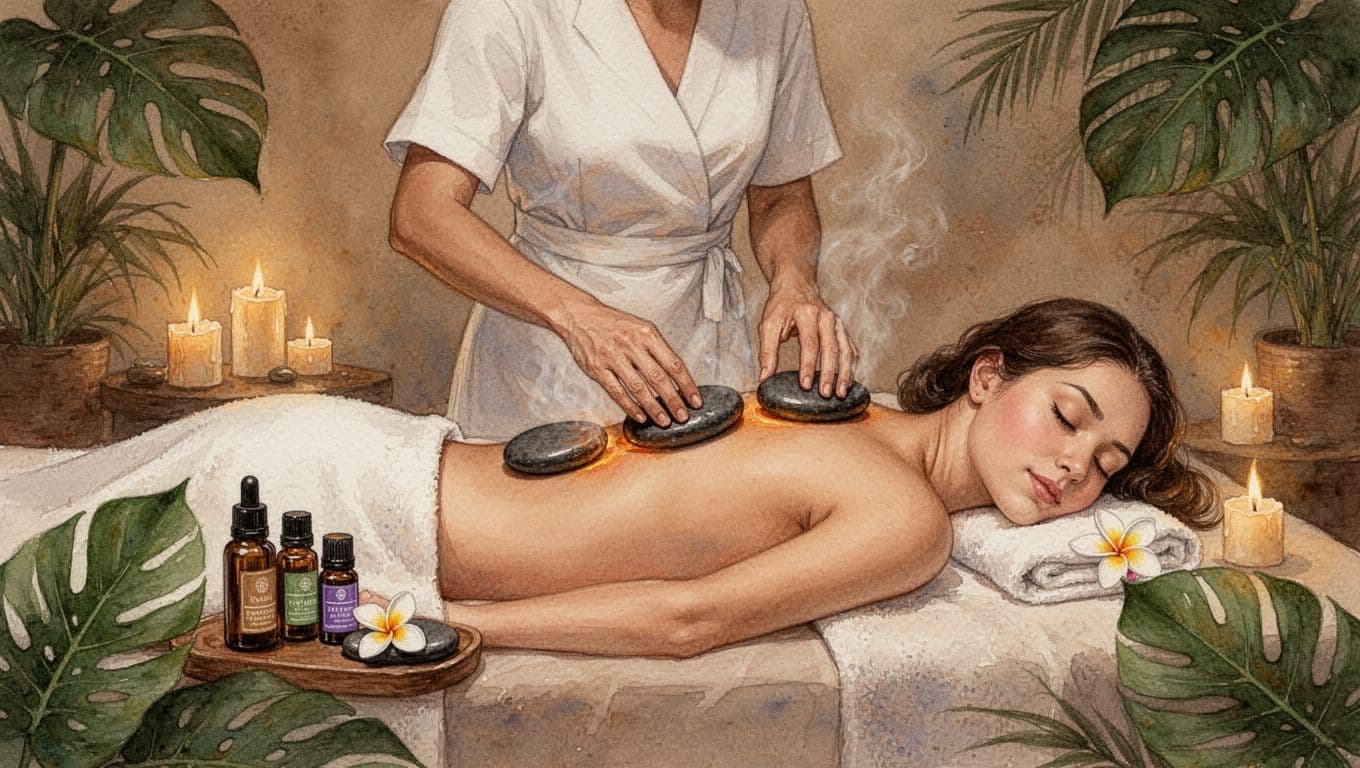
These options often suit:
- Stressed workers who can’t seem to switch off
- People who struggle to wind down at night
- Anyone craving comfort and escape, not just pain relief
- Clients who want soothing warmth rather than firm pressure
If your week has felt noisy, edgy, or draining, these styles can feel like pressing a mute button on the world. They’re especially appealing when your main goal is deep calm, emotional reset, or better rest after the session.
Balinese, lymphatic drainage, and foot reflexology for more focused goals
Some massage styles are best when you have a more specific goal in mind. Balinese, lymphatic drainage, and foot reflexology each offer something different, and the right one depends on whether you want blended pressure, lighter body support, or quick targeted relief.
Balinese massage sits in the middle ground between relaxation and stronger bodywork. It often blends flowing strokes, deeper pressure, gentle stretching, and oil-based movements. As a result, it suits people who want more muscle attention than Swedish offers, but still want to leave feeling calm rather than worked over. If you like the idea of a massage that can soothe stress and tackle tension at the same time, Balinese is a strong fit.
Lymphatic drainage massage is much lighter. The touch is gentle, rhythmic, and precise, not deep. Its aim is to support fluid movement, so it’s often chosen after travel, during wellness routines, or when the body feels puffy, sluggish, or mildly swollen. It won’t feel like a knot-busting session, and that’s the point. This is for people who want a subtle, lighter-touch treatment.
Foot reflexology keeps the focus on the feet, yet many people find the whole body relaxes with it. That’s part of its charm. If you’ve been standing, walking, commuting, or just carrying the day in your legs, reflexology can bring quick relief without committing to a full-body massage.
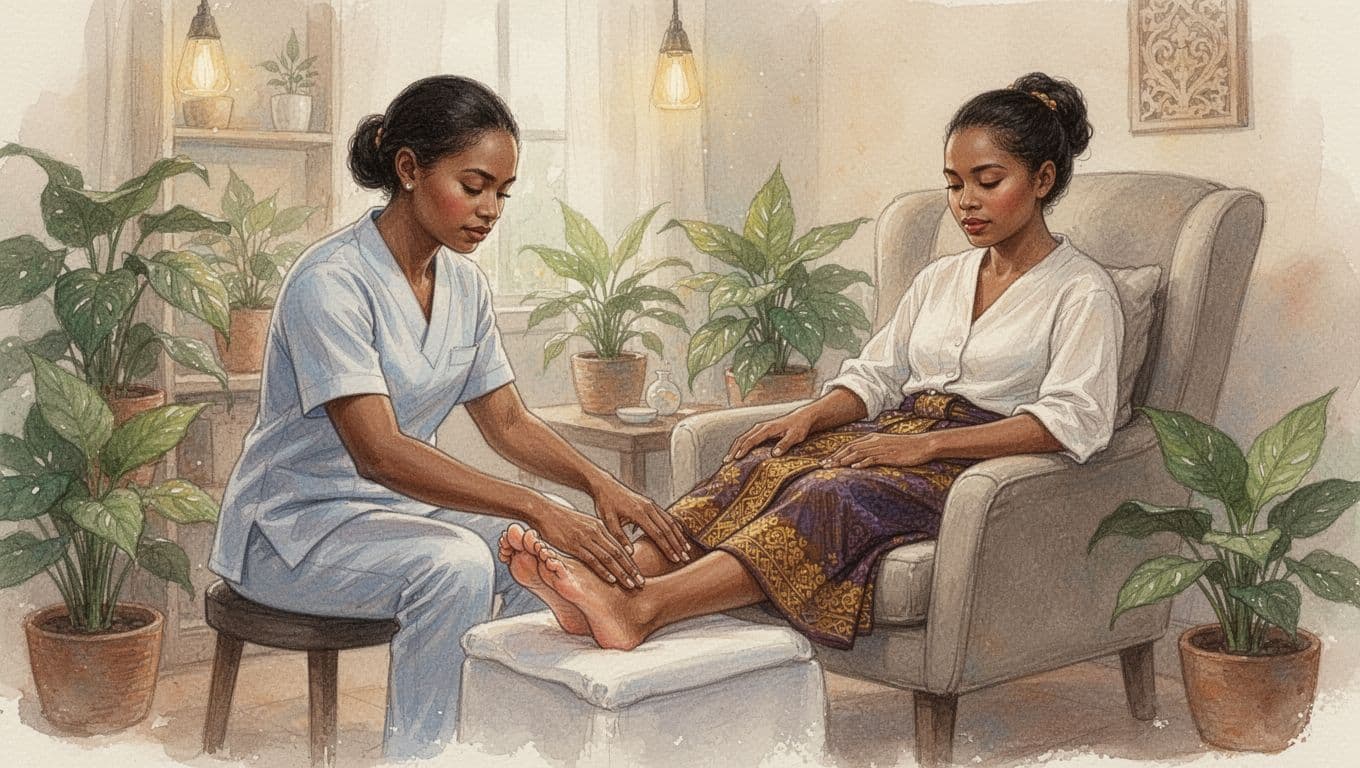
A simple way to choose is to match the type to the result you want:
- Choose Balinese if you want relaxation with a firmer, more active feel.
- Choose lymphatic drainage if you want a very light massage for fluid movement or post-travel wellness.
- Choose foot reflexology if your feet, lower legs, and stress levels need fast relief.
In short, the best Nairobi Massage isn’t always the most popular one. It’s the one that meets your body where it is, whether you need sleep, softness, relief, or a reset.
The Real Benefits of Nairobi Massage, Beyond Just Feeling Good
A good Nairobi Massage can feel wonderful in the moment, but the real value often shows up later. You notice it when your jaw is no longer tight at dinner, when your shoulders stop creeping toward your ears, or when bedtime feels less like a wrestling match with your own thoughts.
That is why massage fits so well into daily life. It can support a calmer mind, a looser body, and a steadier rhythm after hard weeks, long commutes, tough workouts, or too many hours in one chair. It is not magic, and it is not a cure for everything. Still, for many people, it is one of the simplest ways to feel more like themselves again.
Less stress, a quieter mind, and a better mood
Stress rarely stays in the mind alone. It settles into the neck, hides in the shoulders, and sits heavy in the chest. After a while, even small things feel loud. A traffic jam annoys you more. Your thoughts race faster. Rest starts to feel far away.
This is where massage can help in a very human way. The room goes quiet, your breathing slows, and your body gets a chance to stop bracing for the next thing. As the pressure softens tight muscles, many people also feel their mind soften. The noise inside drops a few levels.
Research has linked massage with lower stress levels and a calmer nervous system. In plain terms, that means your body may shift out of alert mode for a while. As a result, you often leave feeling lighter, clearer, and less wound up.
The change is usually subtle but real:
- Your thoughts feel less crowded
- Your breathing comes easier
- Your mood lifts without effort
- You feel more patient and less reactive
It can feel like stepping out of a noisy street and closing the door behind you. The world is still there, of course, but it no longer presses on you in the same way. That emotional reset is one reason people return to massage even when they are not in pain.
Sometimes the best part of a massage is not what it removes from your muscles, but what it removes from your mind.
Relief for tight muscles, tired legs, and long hours at a desk
City life has a way of building tension by layers. First comes the morning commute. Then there is the office chair, the laptop, the phone, and the habit of leaning forward for hours. By evening, your upper back feels like a knot, your lower back is stiff, and your legs feel older than they should.
Massage helps because it goes straight to those overworked areas. A skilled therapist can work through tight shoulders, sore hips, heavy calves, and the deep ache that comes from staying in one position too long. For desk workers, drivers, and people who spend hours in traffic, that practical relief matters.
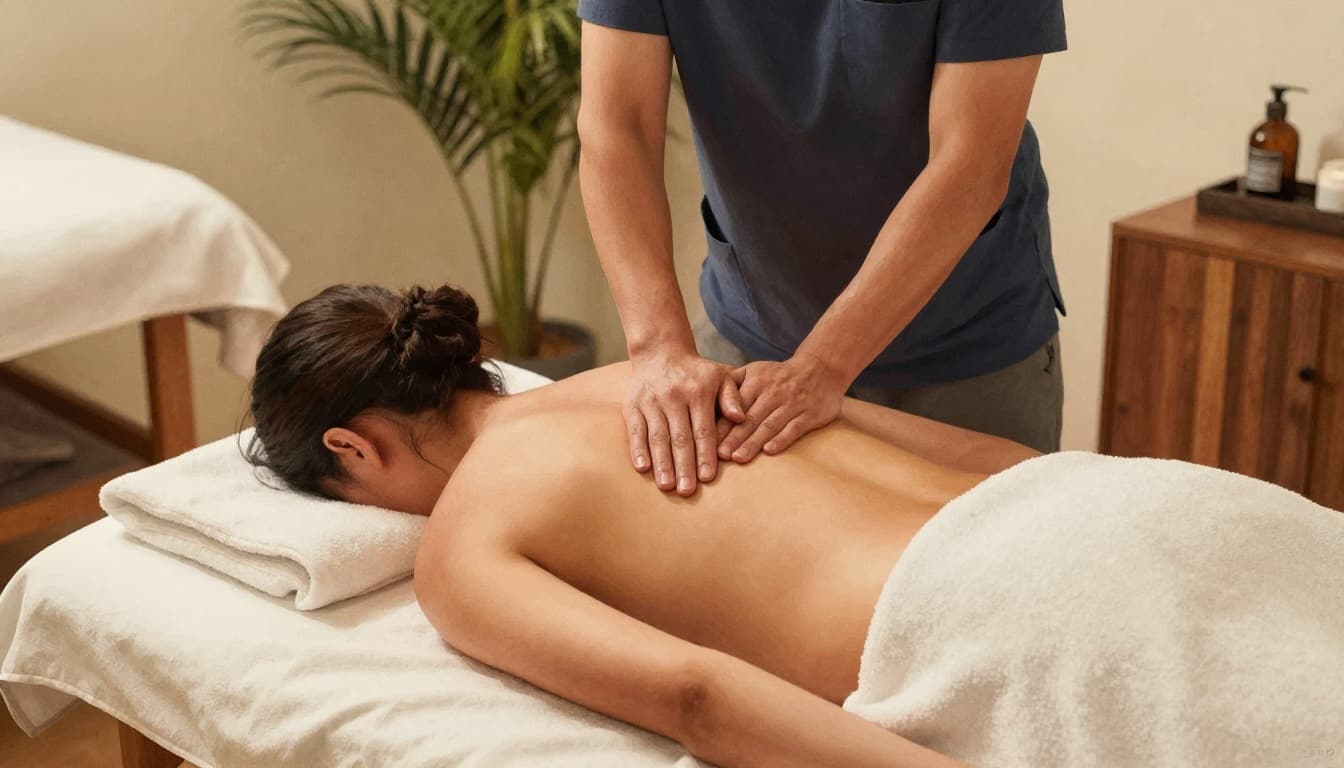
The same goes for active people. If you train hard, run often, lift weights, or play sports on the weekend, your muscles can stay tight long after the workout ends. Massage may help ease that post-exercise soreness and make movement feel smoother again.
Common trouble spots often include:
- Neck and shoulders from screens and poor posture
- Lower back from sitting, driving, or standing for long stretches
- Hips and glutes from desk work and reduced movement
- Calves and feet from walking, commuting, or gym sessions
This is why Nairobi Massage is not only about pampering. It can be a practical answer to modern habits. When your body is carrying the shape of your routine, massage can help loosen the places that routine has hardened.
How massage can support sleep, recovery, and body awareness
People often book massage for stress or muscle tension, yet one of the most welcome side effects is better rest. When the body is less tense and the mind is less busy, sleep tends to come more easily. You may not fall asleep the second your head hits the pillow, but many people notice that they settle faster and wake less drained.
That makes sense. It is hard to rest deeply when your shoulders ache, your lower back complains, or your thoughts keep circling. Massage can support sleep by helping the body downshift. In other words, it gives you a better starting point for real rest.
Recovery is another quiet benefit. After a stressful week or a hard workout, your body needs time and support to bounce back. Massage may help you feel less stiff, less heavy, and more ready for the next day. It supports recovery, not by replacing sleep, hydration, or good habits, but by making it easier for your body to settle and reset.
There is also body awareness, which people do not always expect. During a session, you start to notice where you hold tension. Maybe it is the jaw. Maybe it is one shoulder, one hip, or the lower back. Once you notice it, you can respond earlier next time.
That awareness matters because it helps you catch small problems before they grow. You sit differently, stretch sooner, or take breaks before your body starts shouting. So while massage feels good in the moment, its longer value often shows up later, in how you sleep, move, recover, and carry yourself through the city.
How to Choose a Great Nairobi Massage Spa Without Regret
Picking the right Nairobi Massage spa should feel calm, not like a gamble. A good place leaves you lighter, looser, and glad you booked. A poor one can waste your money, miss your pain points, or make you spend the whole session wishing it would end.
The best choice usually comes down to a few simple things, hygiene, skill, honesty, comfort, and fit. Think of it like choosing a good tailor. Nice decor helps, but the real test is whether the work is clean, precise, and made for you.
Check the basics first, cleanliness, therapist skill, and clear service details
Start with what should never be optional. A spa can smell lovely and still miss the mark if the room feels worn, the linens look tired, or the treatment menu reads like fog. Before you book, look for signs of good hygiene and clear communication.
A trustworthy spa should give you confidence before you ever walk in. That means treatment rooms that look clean, towels and sheets that appear fresh, and surfaces that feel cared for. You are about to spend an hour or more lying still, often with oil on your skin, so this part matters more than fancy lighting.
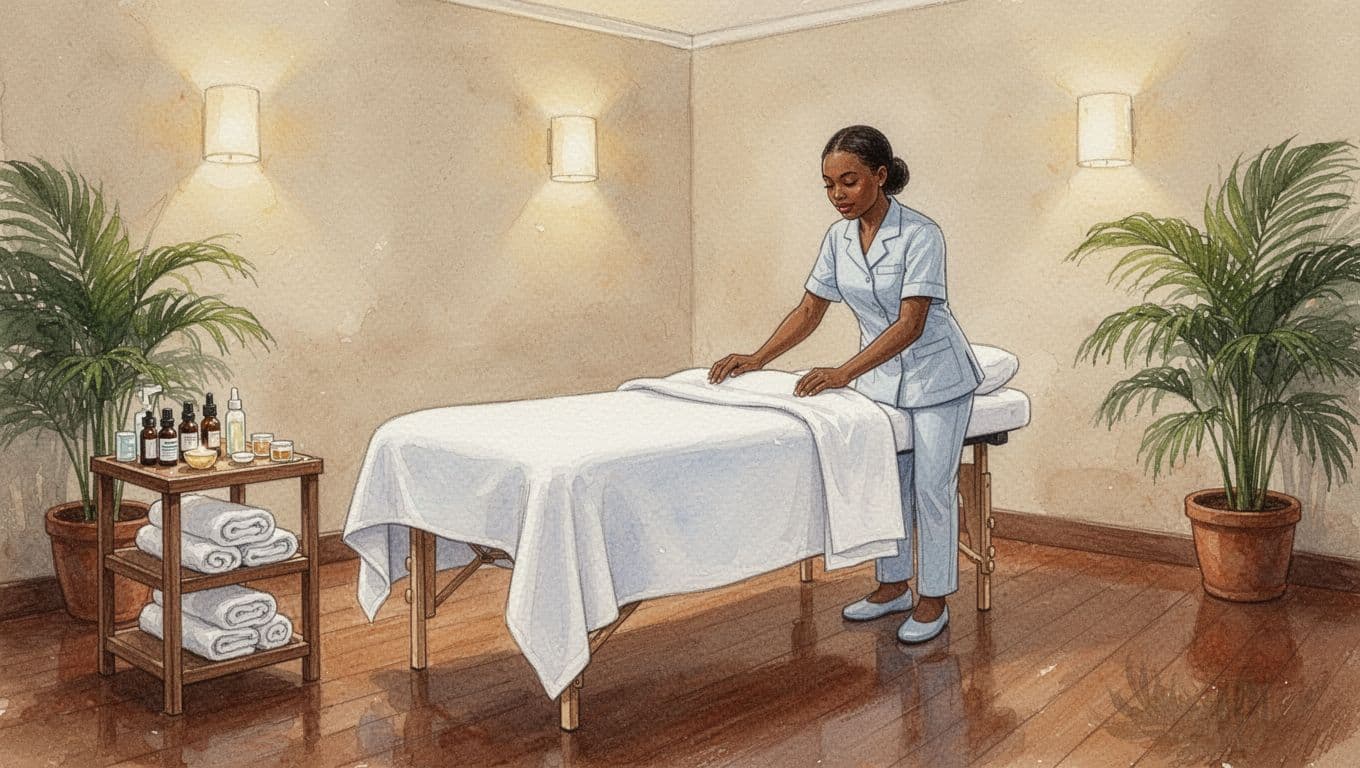
Then look at how the spa explains its services. If every massage sounds the same, pause there. A solid spa should tell you what each treatment is for, how long it lasts, and what sort of pressure or style to expect. You should not have to decode vague phrases to know what you are paying for.
A few green flags stand out right away:
- Clean rooms and fresh linens that look changed between clients
- Clear treatment descriptions with real differences between services
- Transparent timing, such as 60, 75, or 90 minutes
- Professional replies by phone or message, without confusion or attitude
- Therapists who seem trained, not rushed or careless
Skill matters just as much as atmosphere. A gifted therapist knows how to listen, read tight muscles, and adjust pressure without turning your back into a battlefield. If reviews keep mentioning attentive care, balanced pressure, and relief that lasted beyond the session, pay attention.
A polished spa is nice. A clean room, skilled hands, and honest service are what make you return.
Match the spa to your goal, budget, and part of town
The best spa is not always the most expensive one. It is the one that matches what you need that day. If your shoulders are stiff after three days at a desk, you may want direct relief, not a long luxury ritual. On the other hand, if you are booking a birthday treat or a couples session, the setting may matter just as much as the massage itself.
That is why it helps to choose by goal first. A quick solo reset, a romantic booking, a premium spa day, and a regular budget-friendly massage are all different experiences. Nairobi has options across that full range, from practical neighborhood spots to hotel spas with steam rooms, pools, and extras.
Current market prices also help set expectations. In many Nairobi spas, a 60 to 90-minute massage often falls around KSh 4,700 to 11,300, depending on the service, add-ons, and location. Simpler sessions can cost less, while luxury settings and longer packages usually sit at the higher end.
This quick guide makes the fit easier to see:
| Your goal | Best fit | Typical price feel |
|---|---|---|
| Fast relief after work | Simple, well-reviewed neighborhood spa | Lower to mid-range |
| Regular monthly massage | Reliable spa with fair pricing and skilled staff | Mid-range |
| Couples treat | Private rooms, calm atmosphere, stronger service flow | Mid to upper-range |
| Full luxury day | Hotel spa or high-end wellness center with extras | Upper-range |
Location matters more than people admit. A great massage can lose some shine if the trip there is stressful and the drive home takes forever. So choose a part of town that fits your day. If you live or work near Westlands, Kilimani, Karen, Kitisuru, or Limuru Road, a nearby spa can make the whole experience smoother.
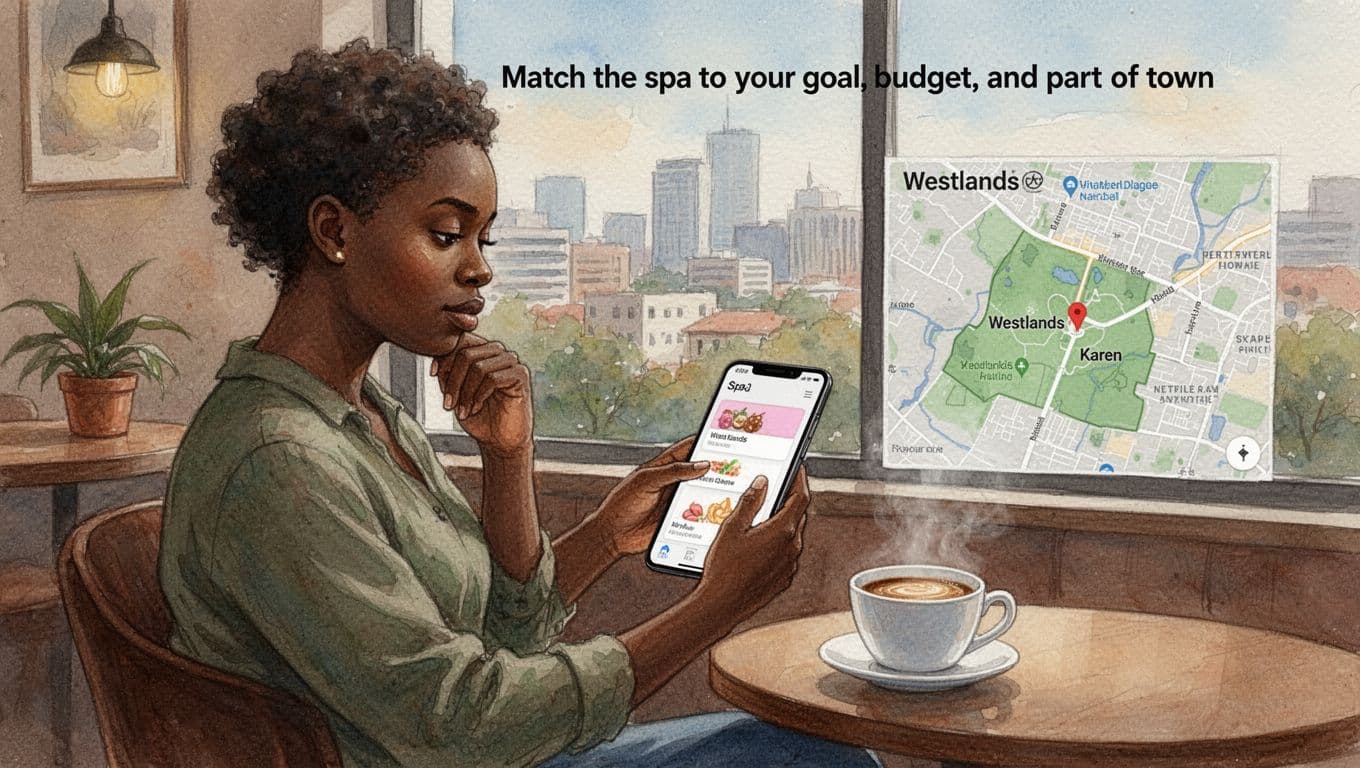
In short, don’t chase a spa just because it looks pretty online. Choose the one that fits your body, your wallet, and your route through the city.
Read reviews with a sharp eye, then ask the right questions before you book
Reviews can save you from a bad booking, but only if you read them well. Five stars alone do not tell the whole story. Instead, scan for patterns. Do people praise the therapist’s pressure, the cleanliness, and the way staff communicate? Or do they keep hinting at late starts, cold rooms, rushed sessions, and weak technique?
Focus on comments that describe the actual experience. Words like clean, skilled, attentive, and professional carry more weight than generic praise. Also notice whether the spa responds well to complaints. A calm, respectful reply says a lot about how they handle real clients.

Before you confirm your booking, ask a few direct questions. A good spa should answer clearly and without sounding annoyed. That short exchange often tells you more than a glossy photo ever could.
Ask about:
- Massage type, and which one suits your needs
- Pressure options, from gentle to firm
- Session length, and whether full time means hands-on time
- Oils used, especially if you have sensitive skin
- Therapist gender preference, if that matters to you
- Parking, especially in busy parts of Nairobi
- Late policy, so you know what happens if traffic delays you
- Pain-point adjustments, such as neck, lower back, or legs
If a spa can’t explain its own services clearly, that is useful information. You want a place that treats questions as normal, not inconvenient.
What to expect during your first Nairobi Massage appointment
Your first Nairobi Massage appointment should not feel mysterious. In most good spas, the flow is simple and respectful from the moment you arrive. You check in, confirm your treatment, and talk briefly about what you want help with. That might be stress, back pain, sore legs, poor sleep, or just the need to switch off.
Next comes privacy. The therapist usually shows you to the room, explains how to get ready, and steps out while you change. You will normally keep your underwear on, cover yourself with a towel or sheet, and only the area being worked on is uncovered. A professional spa handles this part quietly and with care.
During the massage, speak up if the pressure feels too light or too strong. That is not rude. It is part of getting the session right. Think of it as adjusting the volume on music, a small change can make the whole experience better.
Afterward, many spas offer water and a moment to sit before you head out. You may feel loose, sleepy, or pleasantly heavy, like your body has finally put down a bag it has carried all week. If the massage was deep, a little tenderness can happen too, so drink water, take it easy, and give your body some rest.
For first-timers, that simple rhythm often removes the fear. You are not expected to know everything. You just need a good spa, a clear goal, and the confidence to say what your body needs.
Where Nairobi Massage Fits Into a Healthy Routine
The best way to think about Nairobi Massage is simple, treat it like upkeep, not a once-a-year rescue plan. Your body keeps score all week, in traffic, at your desk, at the gym, and even in bed when stress follows you home. A massage can still feel special, but it works even better when it becomes part of the rhythm of your life.
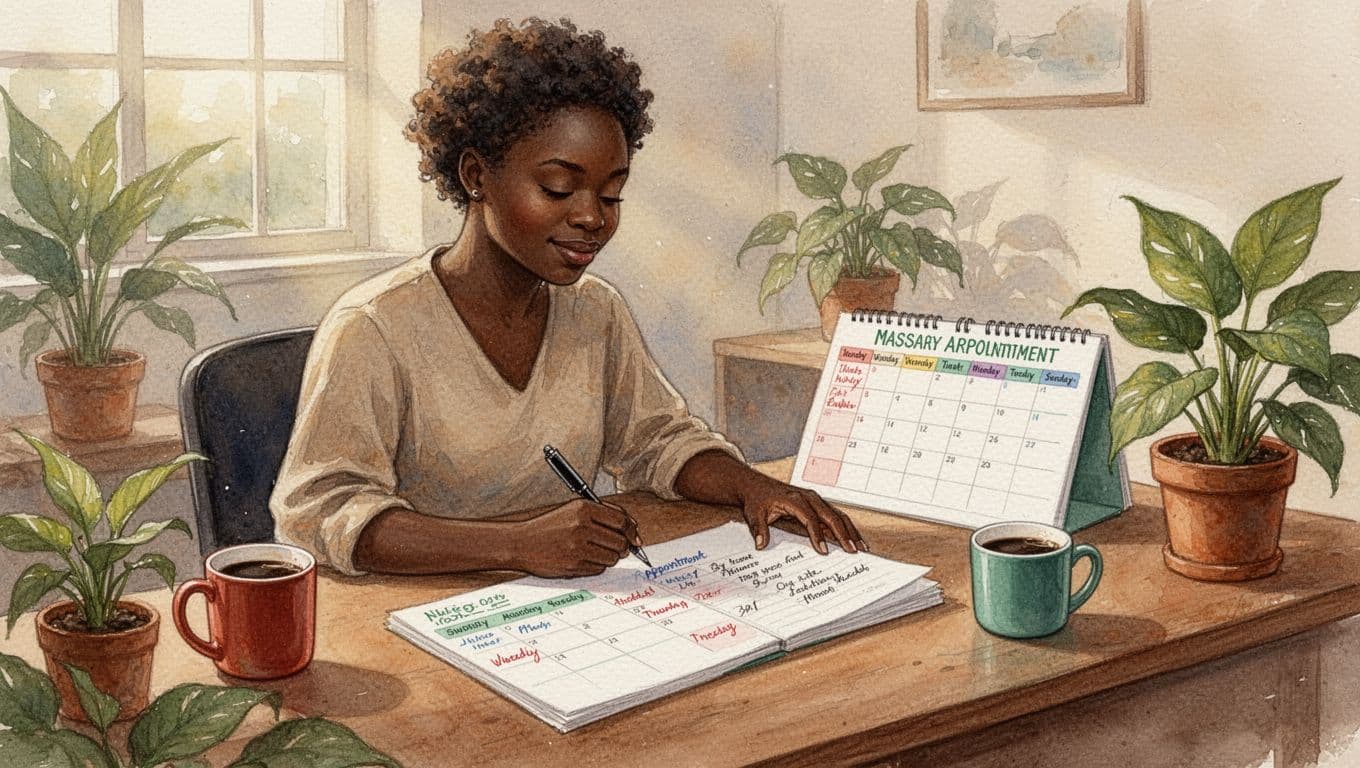
How often to book, if you want results you can actually feel
There isn’t one perfect schedule for everyone, because your week isn’t the same as someone else’s. A person with long commutes, tight deadlines, and poor sleep may feel better with a session every week or two. Meanwhile, someone with lighter stress or a tighter budget may do well with one massage each month.
What matters most is how your body feels between sessions. If your neck locks up again after a few days, or your lower back starts complaining by Friday, that’s useful information. On the other hand, if one good massage keeps you loose for weeks, you probably don’t need to force a stricter routine.
A realistic way to look at it is this:
- Higher stress or heavy physical strain: weekly or every two weeks can help
- General maintenance: once a month often feels manageable
- Budget-led self-care: book when you can, then support the results with simple habits at home
The point isn’t to follow a rule like medicine on a label. It’s to notice patterns. Your body usually tells the truth long before your calendar does.
Simple habits that help your massage last longer
A massage opens the door, but your daily habits decide how long that relief stays. If you walk out relaxed and then go straight back to no water, poor posture, and short sleep, the tension often creeps back fast. Think of the session as a reset button, not the whole machine.
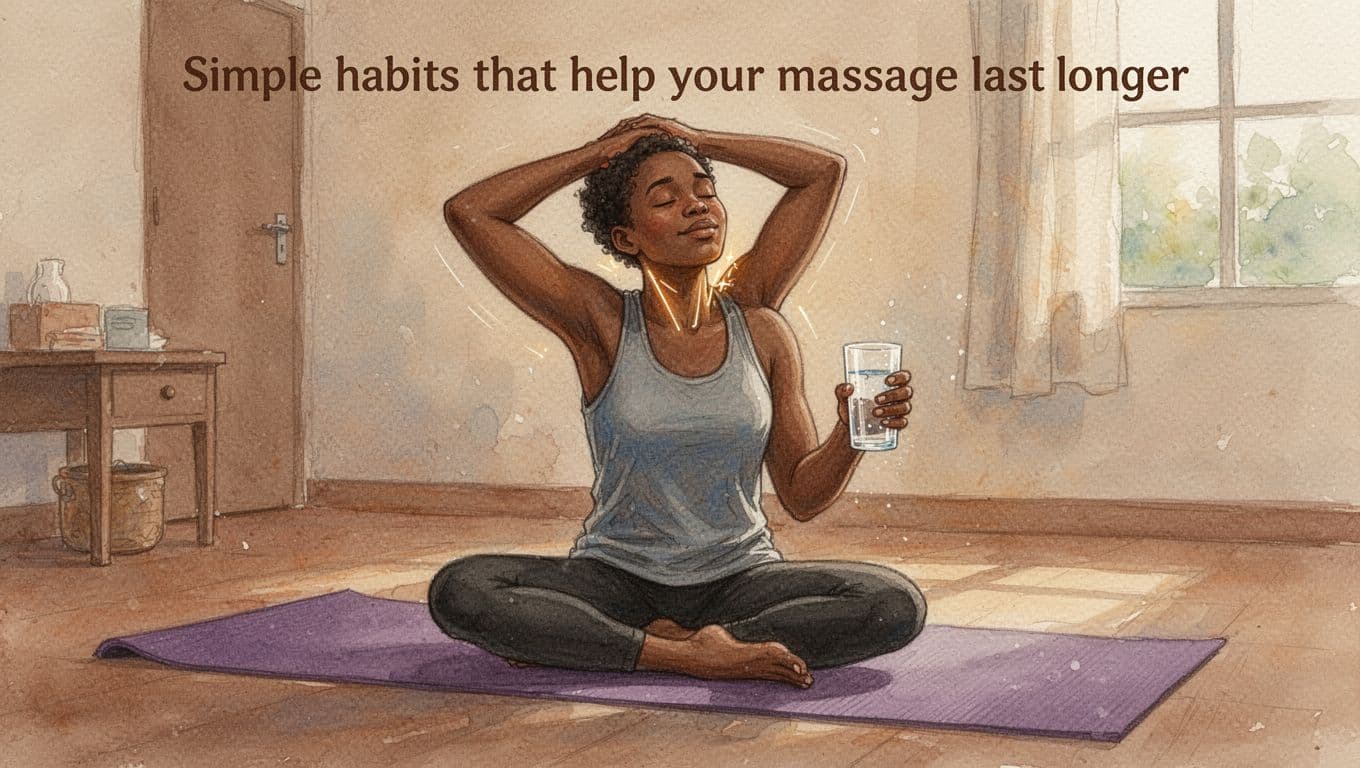
A few small habits can stretch the benefits much further. You don’t need a full wellness makeover. You just need to give your body a fair chance to hold on to the good work.
Here are the basics that matter most:
- Drink water: After a massage, hydration helps you feel fresher and less sluggish.
- Do light stretching: Gentle neck, shoulder, hip, and calf stretches can keep muscles from tightening again.
- Watch your posture: If you slump over a laptop all day, your shoulders will return to their old habits.
- Protect your sleep: A good night’s rest lets your body settle into that looser, calmer state.
- Notice your tension patterns: Pay attention to where stress lands during the week, your jaw, shoulders, lower back, or hips.
That last point matters more than people expect. Once you notice where you store stress, you can catch it earlier. You may stop clenching your jaw in traffic. You may take a short stretch break before your back stiffens. You may finally see that one shoulder rises every time work gets busy.
Also, be honest with your therapist. Say if the pressure is too light. Say if one side hurts more. Say if you want more focus on your neck, feet, or lower back. Clear communication turns a decent massage into one that actually fits you.
The more honest you are about your body, the better your massage works for real life.
Why couples and shared spa visits stay popular in Nairobi
Not every massage booking comes from pain or stress alone. Sometimes it comes from the need to slow down with someone you care about. That’s why couples massages and shared spa visits remain so popular in Nairobi. They offer something city life rarely gives enough of, quiet time together without screens, errands, or noise pulling at you.

For some people, it’s a date that feels softer than dinner. For others, it’s a birthday treat, an anniversary plan, or a thoughtful gift that says, “Let’s rest.” The appeal is warm and simple. You both step out lighter than you walked in.
Shared spa time also works beyond romance. Friends, sisters, and even busy relatives sometimes book together because rest can feel easier when it’s shared. In a city that asks a lot from people, that kind of pause feels meaningful. It turns wellness into something lived, not just something talked about.
In the end, the healthiest routine is one you can keep. For some, that means a monthly Nairobi Massage and better sleep habits. For others, it means booking more often during hard seasons, then easing back when life feels lighter. Either way, massage fits best when it becomes part of how you care for yourself, not only how you recover when you’re already worn out.
Why Harmony Massage & SPA Stands Out As The Best
In a city full of wellness options, the best spa rarely wins on pretty photos alone. It stands out because the whole visit feels right, from the first step in to the walk back outside. When people talk about a great Nairobi Massage experience, they usually mean the same thing, clean rooms, skilled hands, calm energy, and care that feels personal rather than rushed.
That is where Harmony Massage & SPA stands apart. The difference is not one flashy feature. It is the way the full experience comes together, like a song where every note lands in the right place.
The first impression feels calm, warm, and intentional
A strong spa experience starts before the massage begins. You notice it in the quiet mood, the gentle welcome, and the feeling that the space was built for rest, not traffic. That first impression matters because your body does not switch off like a light. It softens in stages.
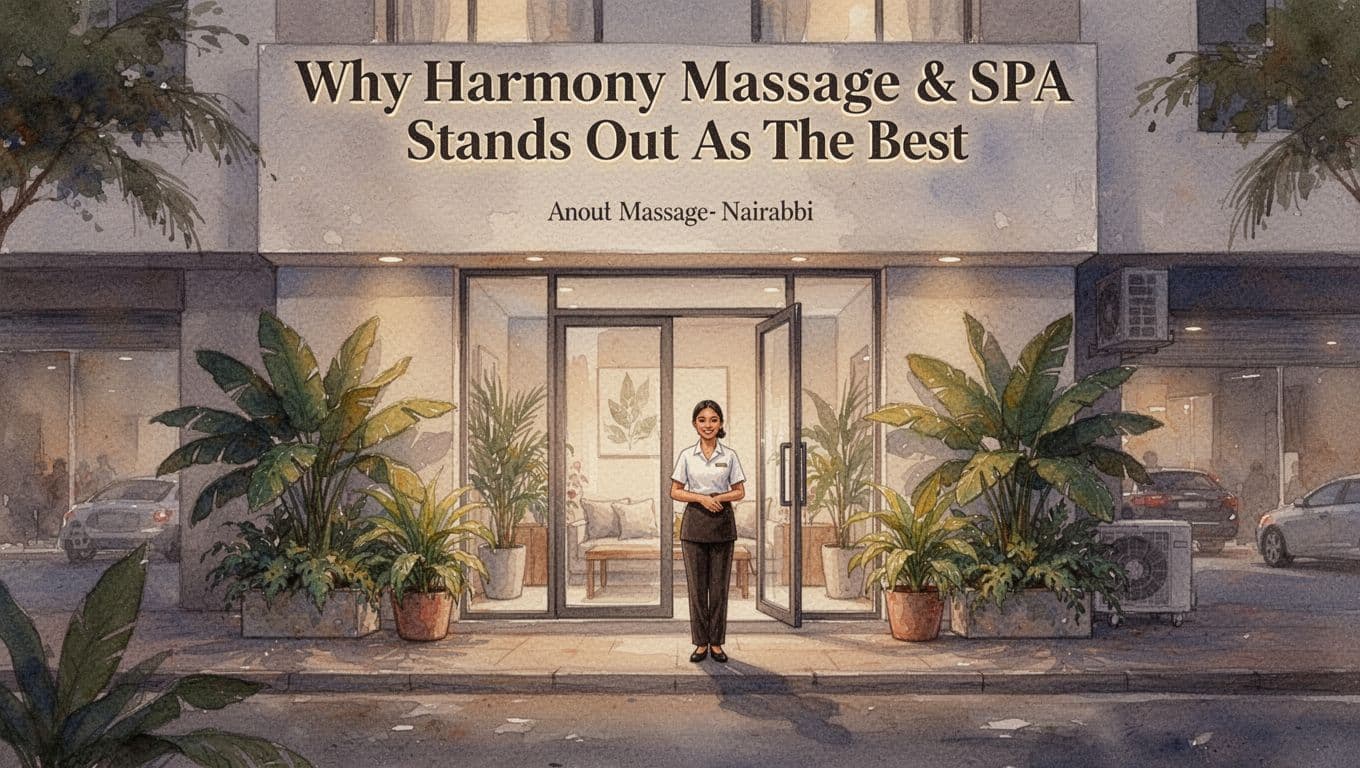
At the best spas, the outside world starts to fade almost at once. Noise drops. Your breathing slows. Even your shoulders seem to get the message. That kind of transition is not small. It helps your massage begin before the therapist even places a hand on your back.
For many people, that is the real mark of quality. A spa should not feel cold, stiff, or hurried. It should feel like stepping out of Nairobi’s buzz and into a softer room where your body can finally stop bracing.
Cleanliness is not a bonus, it is the standard
No spa can be called the best if the basics are weak. Fresh linens, tidy rooms, clean surfaces, and well-kept tools are not luxury details. They are the floor, not the ceiling. When hygiene is right, you relax faster because nothing in the room pulls you out of the moment.
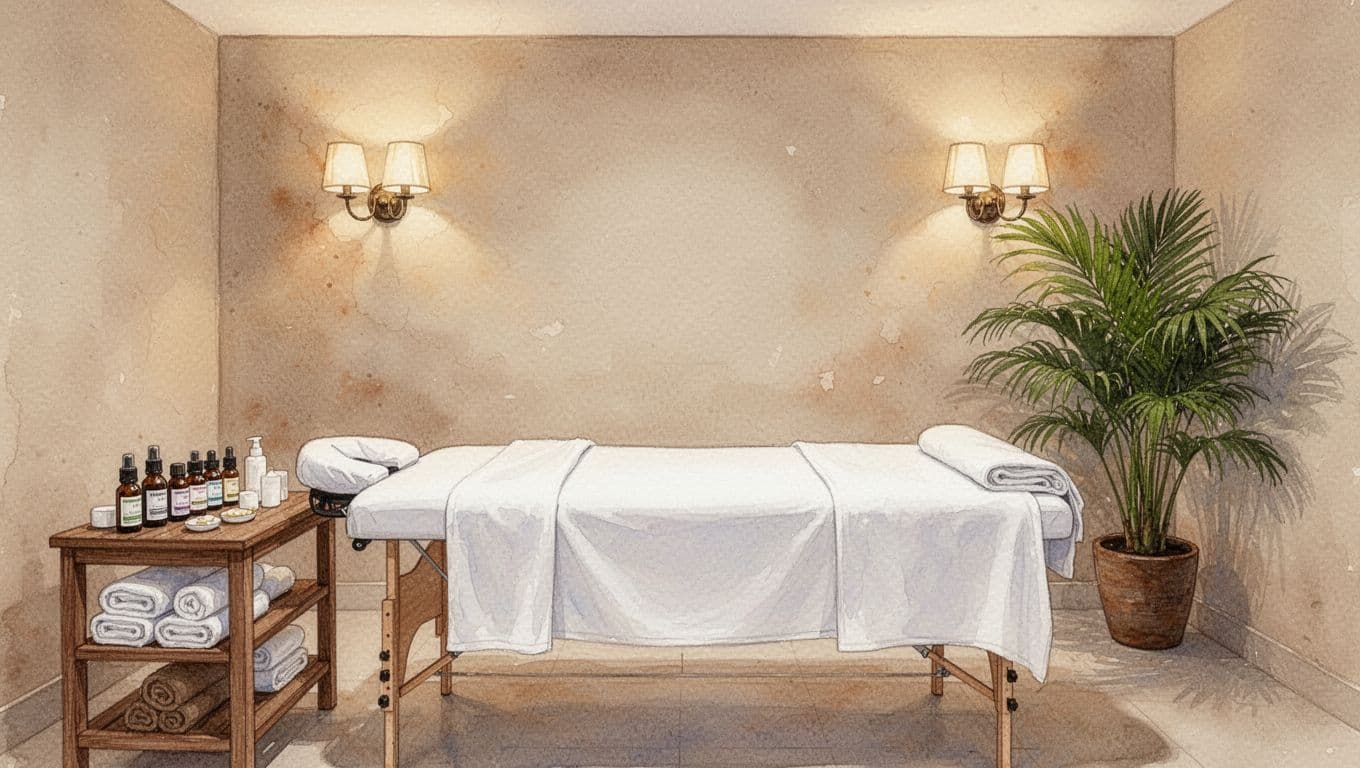
A clean treatment room sends a simple message, you are safe here. That matters more than scented candles or polished decor. If a room feels fresh and cared for, trust grows quickly. If it does not, even a good massage can feel off.
The best Nairobi Massage spaces understand this well. They know comfort begins with confidence, and confidence starts with visible care. In other words, cleanliness is part of the treatment itself.
A good massage room should feel peaceful. A great one also feels spotless and well cared for.
Skilled therapists make the biggest difference
Decor can set the mood, but therapist skill decides the result. That is why the best spa experience always comes back to technique. A trained therapist knows when to use steady pressure, when to ease off, and how to read tension without turning the session into a wrestling match.
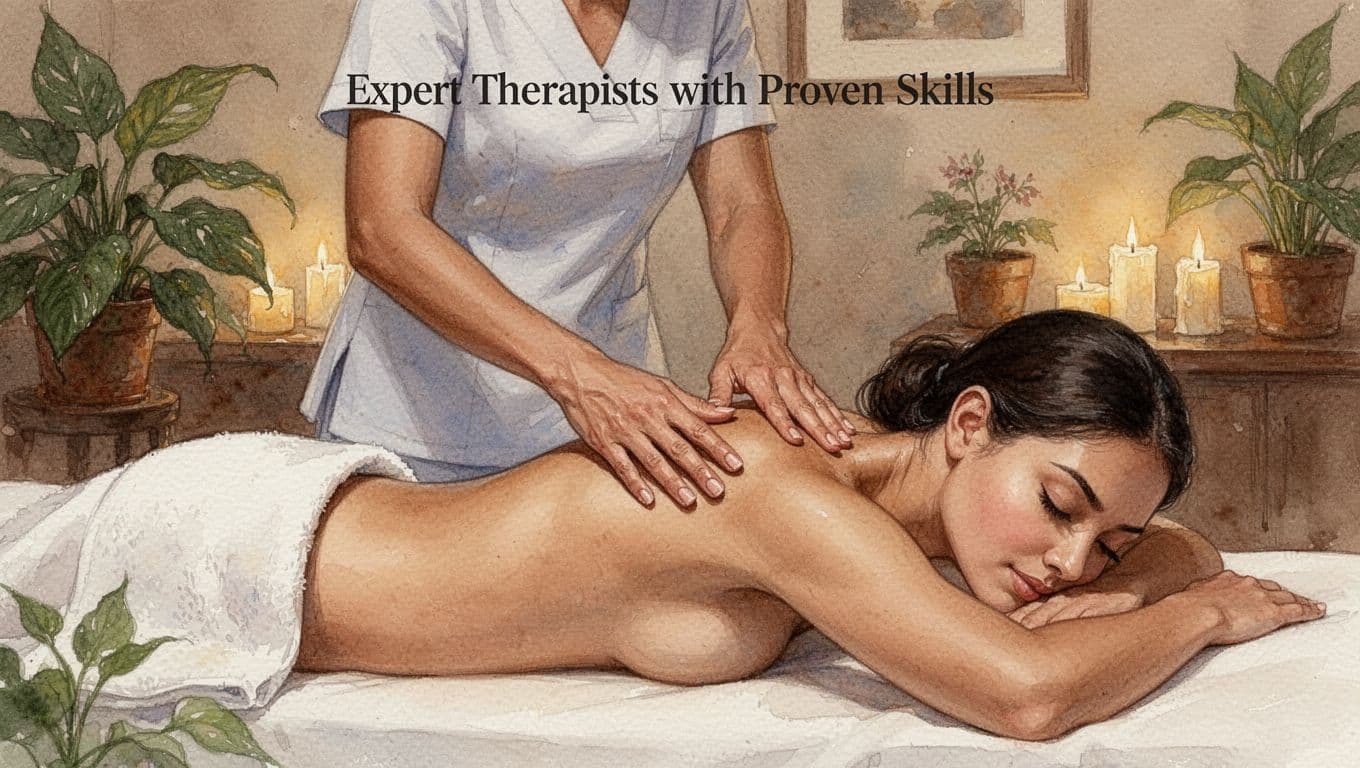
That skill shows up in small but important ways:
- Pressure feels controlled, not random or harsh.
- Tension spots get real attention, especially in the neck, back, and shoulders.
- The session has rhythm, so nothing feels mechanical.
- Your comfort stays central, whether you want gentle relaxation or deeper work.
This is where average spas and memorable spas split apart. An average therapist follows a routine. A strong therapist pays attention. They listen when you say your lower back is tight. They adjust when one shoulder needs more care. They work with your body, not against it.
And that matters because massage is not paint by numbers. Two people can ask for the same service and need very different hands.
The experience feels personal, not mass-produced
People remember spas that make them feel seen. Maybe you need quiet after a rough week. Maybe you want firm pressure on tired shoulders. Maybe your goal is better sleep, not deep tissue work. The best places understand that one menu does not fit every body.
A standout spa creates room for that difference. Sessions feel shaped around what you need that day, not forced into a rigid pattern. That personal touch can be the gap between leaving mildly relaxed and leaving truly restored.
This is also why the best Nairobi Massage experience often feels easy. You are not trying to decode vague services or push through awkward communication. Instead, the treatment fits your goal, your pressure preference, and your state of mind. The whole visit feels less like a transaction and more like care.
Think of it like tailoring. Two jackets may look good on a hanger, but the one adjusted to your frame always feels better. Massage works the same way.
The result stays with you after you leave
A spa stands out most clearly after the session ends. You notice it in your posture on the way home. Your jaw is softer. Your back is not shouting. The city still moves at full speed, but you no longer feel dragged by it.

That after-effect is what people come back for. Not only the hour on the table, but the lighter evening, the deeper sleep, and the sense that their body got a fair reset. The best spas do not only help you relax in the room. They help you feel better once real life starts again.
So, why does Harmony Massage & SPA stand out as the best? Because a top spa is never only about one thing. It is the welcome, the hygiene, the therapist’s skill, the personal care, and the way you feel afterward. When all of that comes together, the result is hard to forget, and even harder to settle for less next time.
Conclusion
A great Nairobi Massage isn’t one fixed experience. It’s a choice that can meet you where you are, whether you need a quiet Swedish session after a hard week, deep tissue work for stubborn knots, or a more polished spa escape that helps the whole day feel softer.
That’s the real takeaway. Nairobi offers many paths to relief, rest, and renewal, and the best one is the one that fits your body, your mood, and your budget. Some days call for simple and practical. Others call for warm oils, low lights, and a longer pause from the city’s noise.
Because of that, it’s worth booking with clear intent. Know what you want help with, ask about pressure, timing, hygiene, and therapist skill, then choose with confidence. A good spa should make those answers easy, and a good therapist should make you feel heard from the start.
Massage also works best when you treat it as care, not only rescue. One session can loosen your back and calm your mind, but regular, thoughtful choices often bring the deepest reset. Over time, that can mean better sleep, easier movement, and fewer days spent carrying stress in your shoulders and jaw.
So if your week has felt loud, heavy, or rushed, take that as a sign to slow down. Pick the Nairobi Massage that suits this season of your life, then step into the quiet knowing you chose well.
Sometimes the kindest plan is the simplest one, close the door on the noise, breathe out, and let your body feel unhurried again.