
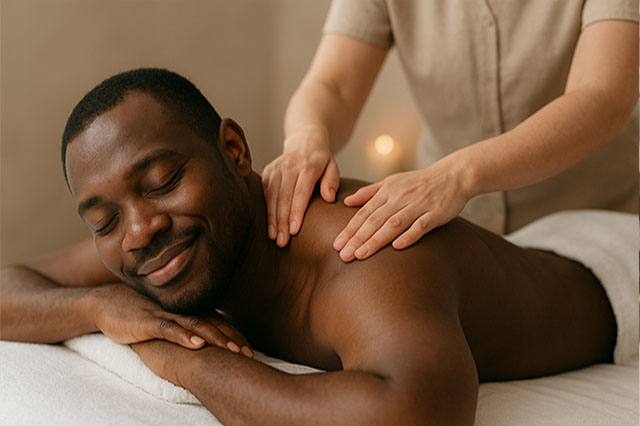
Massage Benefits, Types, and How to Choose the Right One
The room is quiet except for soft music and the slow hush of breath. Warm hands meet tight shoulders, the jaw unclenches, and a tired body starts to feel like its own again. In those first few minutes, massage can feel like a long exhale after a hard day.
That sense of ease is only part of the story. Massage isn’t just a treat for special occasions. It can help calm stress, ease muscle soreness, support recovery after exercise, improve sleep, and bring you back to a steadier, more balanced state.
For some people, that means less neck tension after hours at a desk. For others, it means fewer aches after training, a quieter mind at night, or simple relief from carrying too much for too long. As more people look for care that feels personal and practical, massage has become a trusted part of modern wellness, not just a spa-day extra.
This guide keeps things simple. You’ll get a clear look at what massage is, the main types people choose, the real benefits you can expect, how to pick the right style for your needs, and how to get more from every session. So whether you’re new to massage or ready to choose more wisely, you’ll have a better sense of what works, why it helps, and where to start.
What massage is and why people keep coming back to it
Massage is skilled touch. In plain language, it means using hands, pressure, movement, and rhythm to work on muscles, soft tissue, and the patterns of tension your body builds over time. Sometimes that tension sits in the shoulders like a heavy backpack. Sometimes it hides in the jaw, low back, or hips and quietly pulls everything else out of balance.
People keep coming back to massage because it can meet very different needs without feeling cold or mechanical. One person wants a calmer mind after a stressful week. Another wants help with sore calves after training. Someone else just wants their neck to stop feeling like a knot after long hours at a screen. The draw is simple, massage often helps you feel better in a way you can notice right away.
Just as important, massage in 2026 is leaning more toward personalized care. Sessions are less about running through the same routine on every client and more about shaping the work around your goal, your pressure level, and the areas that need attention most. That makes the experience feel less generic and more useful.
How massage works on the body and mind
When a therapist presses, glides, kneads, or holds an area, the body often responds in layers. Tight muscles can begin to soften, almost like a clenched fist slowly opening. As those tissues loosen, movement feels easier and less guarded.
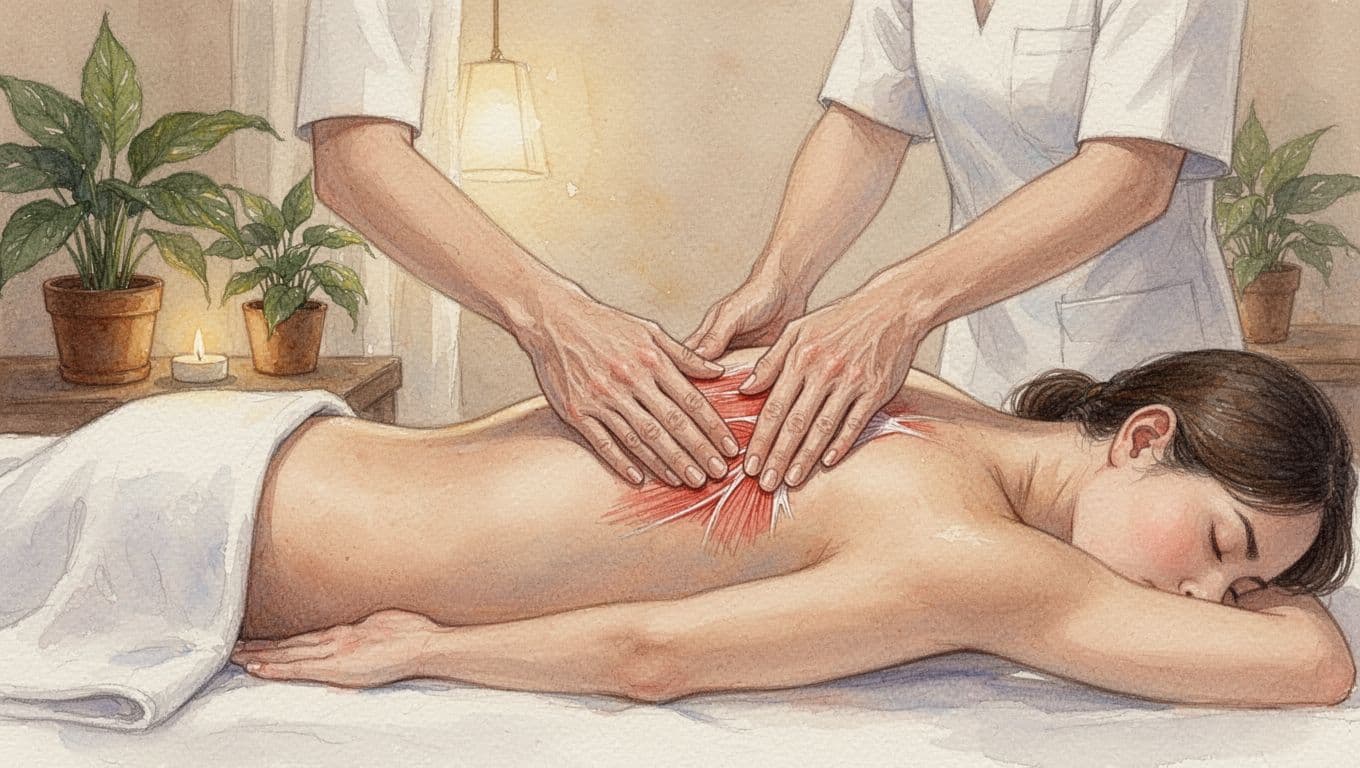
Pressure and motion may also help blood flow move more freely through worked areas. That matters because tired, overused muscles tend to feel dense and stiff. With steady touch and a clear rhythm, the body often shifts from bracing to releasing, and that can bring a sense of warmth, ease, and relief.
The mind plays a big part too. A good massage can cue the nervous system to settle down. Breathing slows. The shoulders drop. Thoughts stop racing quite so hard. In other words, your body gets the message that it doesn’t need to stay on high alert.
Over time, regular massage may support better posture, fewer tension headaches, and less of that bent-forward ache that comes from desk work and screen time. It won’t erase every problem, but it can help interrupt the habits that keep discomfort going.
Massage often works best when it meets both needs at once, easing the body while giving the mind room to quiet down.
When massage feels like self-care, and when it feels like real support
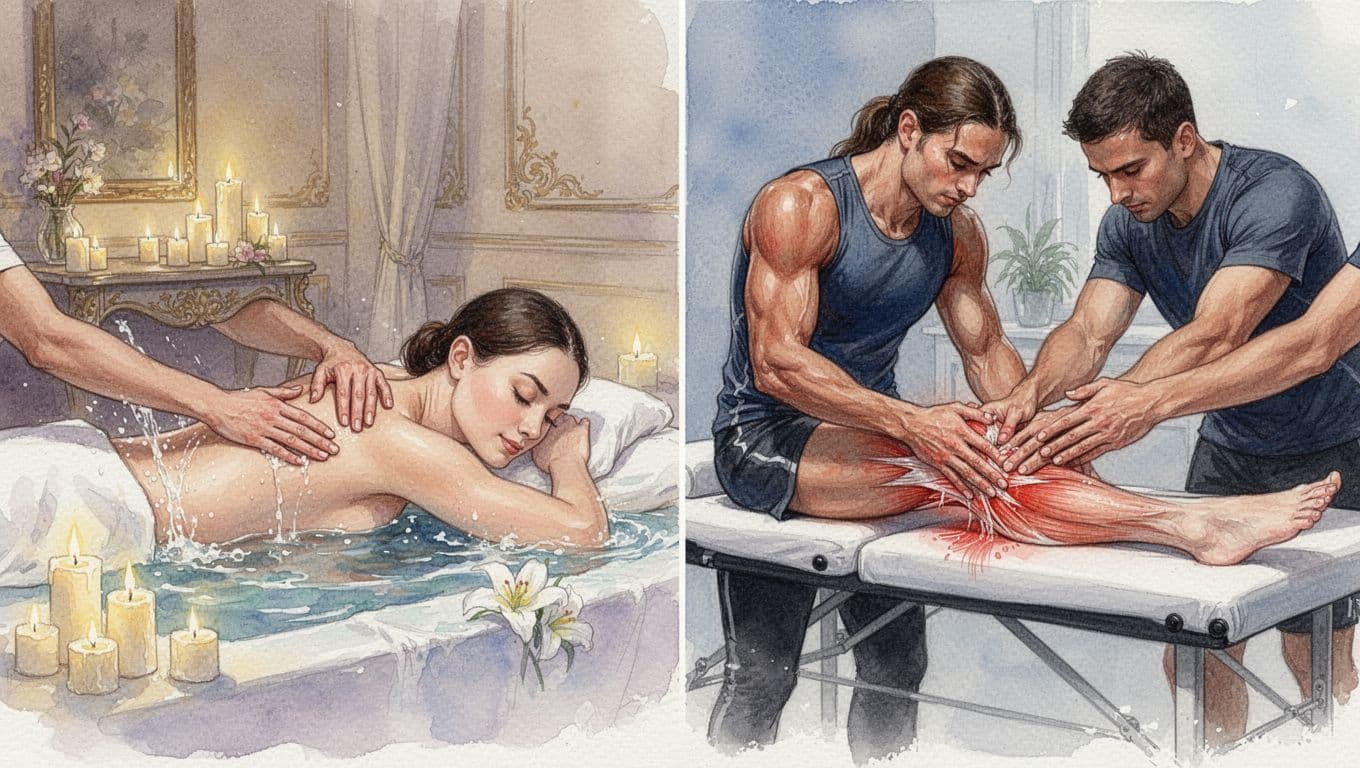
Some massages feel like a reset button. The room is calm, the strokes are broad and flowing, and your main goal is to unwind. That kind of session matters. Stress lives in the body, and gentle massage can help drain off the pressure of a packed week.
At the same time, massage can be more targeted and practical. If your hamstrings are tight after running, your upper back feels locked from sitting, or your shoulders ache after lifting, a session can focus on those specific spots. The pressure may be firmer, the pace slower, and the work more precise. It might not feel dreamy every second, but it can feel deeply helpful.
A simple way to think about it is this:
- Self-care massage helps you relax, rest, and feel restored.
- Support-focused massage helps with soreness, stiffness, recovery, and recurring tension.
Both matter because people don’t live in just one lane. On one week, you may want quiet and comfort. On another, you may need focused work that helps you move with less pain. The best massage is the one that matches your body, your stress level, and what you need that day.
The most popular types of massage and what each one does best
Not all massage feels the same, and that is exactly the point. One style may quiet a busy mind, while another targets a knot that has been living under your shoulder blade for months. If you know what each type does best, choosing gets much easier.
In 2026, massage is also becoming more personalized, more trauma-aware, and more focused on the whole body, not just one sore spot. That means a good session should match your goal, your comfort level, and how your body responds to touch. Think of it less like picking from a menu and more like choosing the right tool for the job.
Swedish massage for stress relief and full-body calm
Swedish massage is often the best starting point for people new to massage. It usually uses light to medium pressure, long flowing strokes, gentle kneading, and smooth movement from one area to the next. The feeling is less like someone digging for knots and more like tension slowly melting off the frame.
Because the pressure is easier on the body, Swedish massage works well when your main goal is to relax, settle your nerves, and ease general tightness. It’s a strong match for stress, poor sleep, mental fatigue, and that all-over stiffness that comes from doing too much for too long. If your body feels wound up like a clock spring, this style helps it unwind.
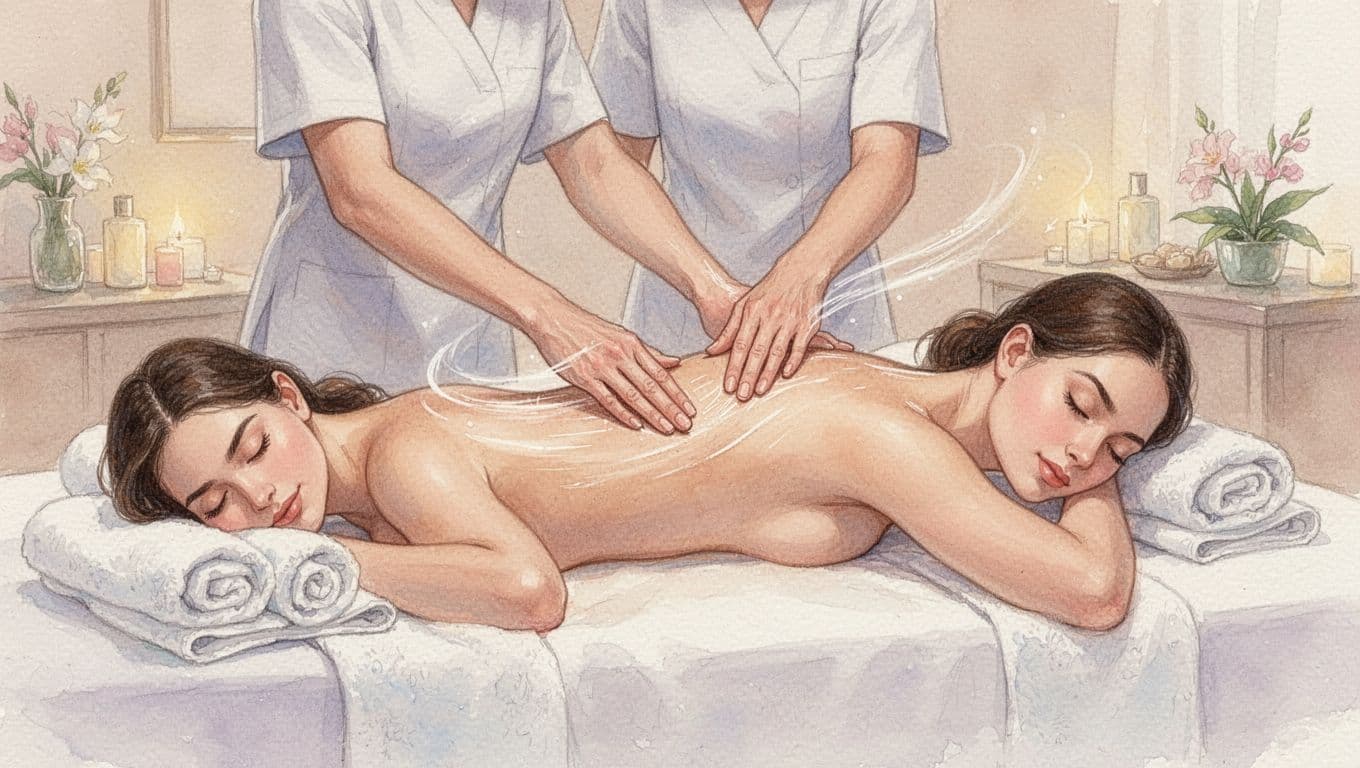
Many first-timers choose Swedish massage because it feels familiar and approachable. You still get meaningful work on the back, shoulders, legs, and arms, but the session stays calm rather than intense. That matters if you’re unsure how much pressure you like, or if you want to feel cared for without bracing against discomfort.
It also fits the newer move toward whole-body massage care. Instead of chasing one painful point, Swedish massage often helps your entire system settle. Breathing slows, the jaw softens, and your muscles get the message that they can stop guarding.
If you want full-body calm, stress relief, and a gentle entry into massage, Swedish is usually the safest place to begin.
Deep tissue massage for stubborn knots and tight muscles
Deep tissue massage is a better fit when tension feels stuck, thick, or hard to ignore. This style uses slower strokes and firmer, more focused pressure to work through deeper layers of muscle and connective tissue. It often helps when you have chronic tightness in the neck, shoulders, back, hips, or legs.
This is the massage many people book after long weeks at a desk. Hours of typing, driving, sitting, and hunching can leave the upper back feeling like a board. Deep tissue may also help after hard training, especially when soreness hangs around longer than usual or certain spots keep tightening back up.
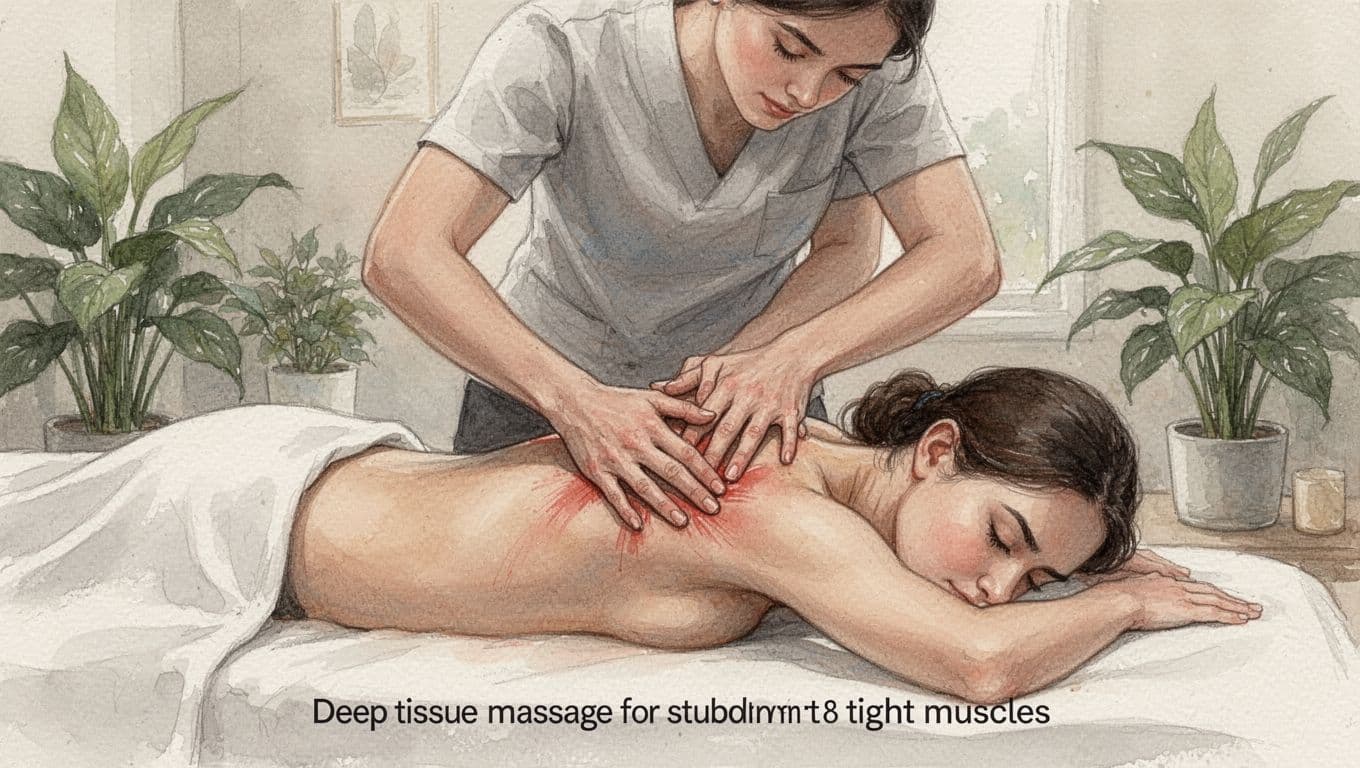
Still, deeper pressure is not always better. A good deep tissue session should feel controlled, steady, and useful, not punishing. Pain that makes you hold your breath or tense harder usually misses the mark. The best work feels like skilled pressure with a purpose, not a contest.
That matters even more now, because more therapists are using a trauma-aware approach. They check in, adjust pressure, and treat your comfort as part of the treatment, not an extra. So if you want firm work, ask for it, but expect the session to stay safe and responsive.
A simple way to think about deep tissue is this:
- Best for: Stubborn knots, desk-work strain, heavy muscle tightness, post-workout soreness
- Less ideal for: People who only want pure relaxation or very light touch
- What to expect: Slow, targeted work, clear communication, and some tenderness without feeling overwhelmed
When it fits your needs, deep tissue massage can feel like someone finally finding the knot behind the knot.
Sports massage, myofascial release, and recovery-focused work
If your body works hard on purpose, these styles often make the most sense. Sports massage, myofascial release, and other recovery-focused sessions are built for movement. They tend to help runners, lifters, gym-goers, dancers, cyclists, and anyone dealing with repeat strain from training or routine activity.
Sports massage is not only for elite athletes. In real life, it’s often for people whose calves tighten after runs, whose shoulders ache after upper-body days, or whose hips stay stiff from long walks and long sits. The work can be brisk or targeted, depending on whether the goal is to warm the body up, help it recover, or address a trouble spot.
Myofascial release focuses on fascia, the thin web of tissue that wraps around muscles and helps hold the body together. When fascia gets tight, sticky, or irritated, movement can feel restricted, almost like wearing a shirt that’s one size too small. The pressure is not always deep, but it is usually sustained and precise.
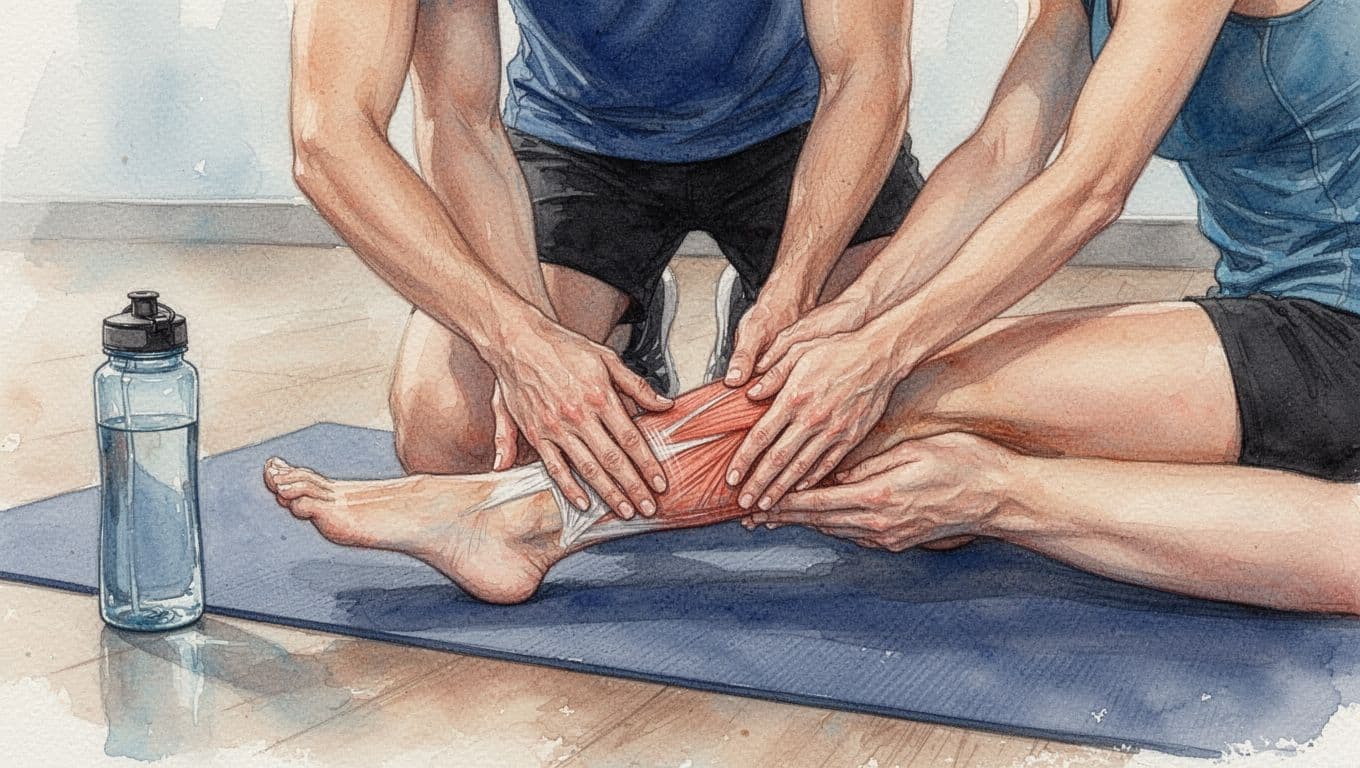
In many sessions, the lines blur in a good way. A therapist may combine massage with stretching, joint movement, and focused pressure on one overworked area. That mixed approach has grown in 2026 because people want care shaped to how they live, train, and recover, not a one-style-fits-all routine.
These sessions often work best when you have a clear goal, such as:
- Recovering after workouts when muscles feel heavy and sore
- Improving mobility in tight hips, hamstrings, calves, or shoulders
- Managing repeat strain from running, lifting, or repetitive work
- Supporting performance by keeping movement smoother and less restricted
The big win here is function. You may leave feeling looser, but you also want to move better, train smarter, and bounce back faster.
Lymphatic drainage, reflexology, and other gentle specialty options
Some massage styles do their best work with a much lighter touch. Lymphatic drainage, reflexology, and similar specialty options are less about heavy muscle pressure and more about a specific goal. They can be useful when full-force bodywork is not what you need.
Lymphatic drainage massage uses very gentle, rhythmic movements. The lymphatic system helps move fluid through the body, so this style is often chosen by people looking for support with fluid movement and mild swelling. The touch is feather-light compared with deep tissue, which surprises many people at first. Yet that soft approach is the method, not a weakness.
Claims around lymphatic drainage should stay realistic. It may help some people feel less puffy or more comfortable, but it is not a cure-all. It also is not right for every medical case, so it makes sense to ask a qualified therapist and, when needed, your doctor first.
Reflexology takes a different path. It focuses on pressure points in the feet, and sometimes the hands, with the idea that these areas relate to other parts of the body. Some people book reflexology because they want a deeply calming session without full-body massage. Others love it because tired feet can hold a surprising amount of stress.
This category also fits the wider move toward gentle, consent-based, whole-person care. For people who prefer lighter touch, more check-ins, or a less exposing treatment, these options can feel welcoming and effective.
A quick guide can help you sort them:
- Lymphatic drainage massage: Best when you want very gentle work tied to fluid movement and swelling support
- Reflexology: Best when you enjoy focused pressure on the feet or hands and want a calming, specific treatment
- Other gentle specialty massage options: Best when your body feels sensitive, you want low-pressure care, or you prefer a more tailored session
For many people, these quieter forms of massage feel like a whisper instead of a drumbeat. Soft, yes, but still purposeful.
The real benefits of massage, from stress relief to better recovery
Massage can feel simple on the surface, a table, quiet music, steady hands. Yet the effects often reach further than that first sense of relief. In daily life, stress builds in layers, and so does physical tension. A good massage can help peel some of that away.
Still, it’s best to keep expectations real. Massage doesn’t fix every issue, and results vary with your health, your stress load, and the type of session you choose. What it often does well is lower stress, soften muscle tension, support better sleep, and help your body recover with less resistance.
How massage can ease stress, calm the mind, and support better sleep
When life gets noisy, the body usually joins in. Your shoulders rise. Your jaw tightens. Breathing gets shallow, and your mind starts racing like a browser with too many tabs open. Massage gives that overstimulated system a different message, one that says, “You can let go now.”
Slow, steady touch often helps people feel grounded because it brings attention back to the body. Instead of living in your inbox, your group chats, and the glare of a late-night screen, you’re back in your skin. That shift matters. It can feel like stepping out of traffic and into a quiet room.
Current understanding in 2026 points in a clear direction. Massage may help lower the body’s stress response and support a calmer nervous system. As a result, many people notice:
- Less mental tension, especially after demanding weeks
- A slower, deeper breath, which can make the whole body feel safer
- Reduced restlessness at night
- Better sleep quality, especially when stress is the main problem
That doesn’t mean one session will erase burnout. If you’re running on empty for months, massage won’t replace rest, boundaries, or medical care when needed. Even so, it can act like a hand on the shoulder that reminds your body to stop bracing.
Sleep is often where people notice the change first. After massage, some feel heavier in a good way, as if the body has set down a bag it’s been carrying all day. That softer state can make it easier to fall asleep, and for some people, easier to stay asleep. The benefit tends to be strongest when stress and muscle tension are feeding the problem.
Massage often helps most when your body is stuck in “always on” mode and needs help finding the off switch.
If your days are packed with meetings, commuting, parenting, workouts, and constant notifications, massage can offer a rare pause. Not a dramatic transformation, just a quiet reset. Sometimes that’s exactly what the mind and body need.
Why sore muscles, stiff necks, and back tension often respond well
Physical tension has a way of becoming normal. You sit at a desk for hours, lean over your phone, carry bags on one side, sleep in a strange hotel bed, or push hard in the gym. Then one day your neck feels like rope, your low back feels guarded, and turning your head becomes a small event.
Massage often helps because it works directly with those overworked areas. Skilled pressure, movement, and rhythm can encourage tight tissue to soften and can make stiff spots feel less stuck. In plain terms, muscles that feel clenched may start to behave more like muscle again, not like armor.
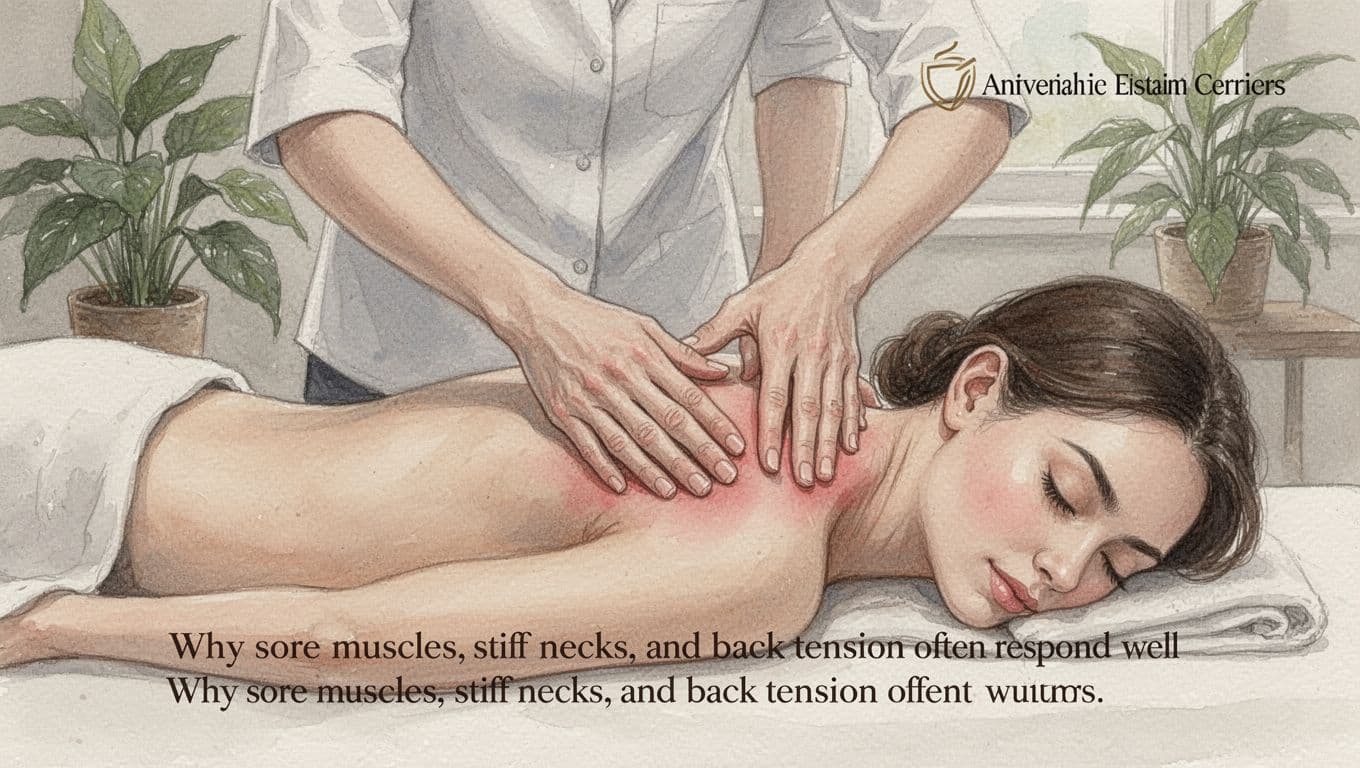
This is why common complaints often respond well to massage:
- Desk-work strain: Long sitting and screen time can tighten the neck, chest, shoulders, and hips.
- Travel stiffness: Flights, road trips, and poor sleep posture can leave the back and legs heavy and rigid.
- Exercise soreness: After training, muscles may feel tender, dense, and slow to recover.
- Repeat strain: The same movements, day after day, can build small patterns of tension that grow into pain.
Posture plays a big part here, but not in the old “just sit up straight” way. Posture is more about how your body holds itself over time. If certain muscles stay tight and others stay sleepy, your body adapts. Massage can help interrupt that pattern. It may not “correct” posture by itself, but it can make better alignment easier because you aren’t fighting as much tension.
Mobility often improves for the same reason. When the neck loosens, turning your head while driving feels easier. When hips and low back soften, standing up after a long sit feels less awkward. When calves and hamstrings recover better, walks and workouts can feel smoother.
Research remains strongest for pain relief, relaxation, and easing tension, while deeper tissue changes are still being studied. That’s a good reminder to stay practical. Massage is not magic, and it doesn’t replace movement, strength, or medical care when pain is sharp, severe, or persistent. Still, it can be a very useful part of the picture.
For many people, the real win is not just “less pain.” It’s moving through the day with fewer little reminders that something hurts.
What regular massage may do for long-term wellness
A single massage can feel great, but long-term wellness usually comes from rhythm, not one-offs. Think of it like watering a plant. One good soaking helps, yet steady care changes how the whole thing grows. Massage works in much the same way for some people.
When sessions happen regularly, even once a month, people often get better at noticing tension earlier. That’s body awareness, and it’s one of the most useful benefits. You start to catch the raised shoulders before they become a headache. You notice your jaw clenching sooner. You feel when your low back is asking for movement, not just enduring it.
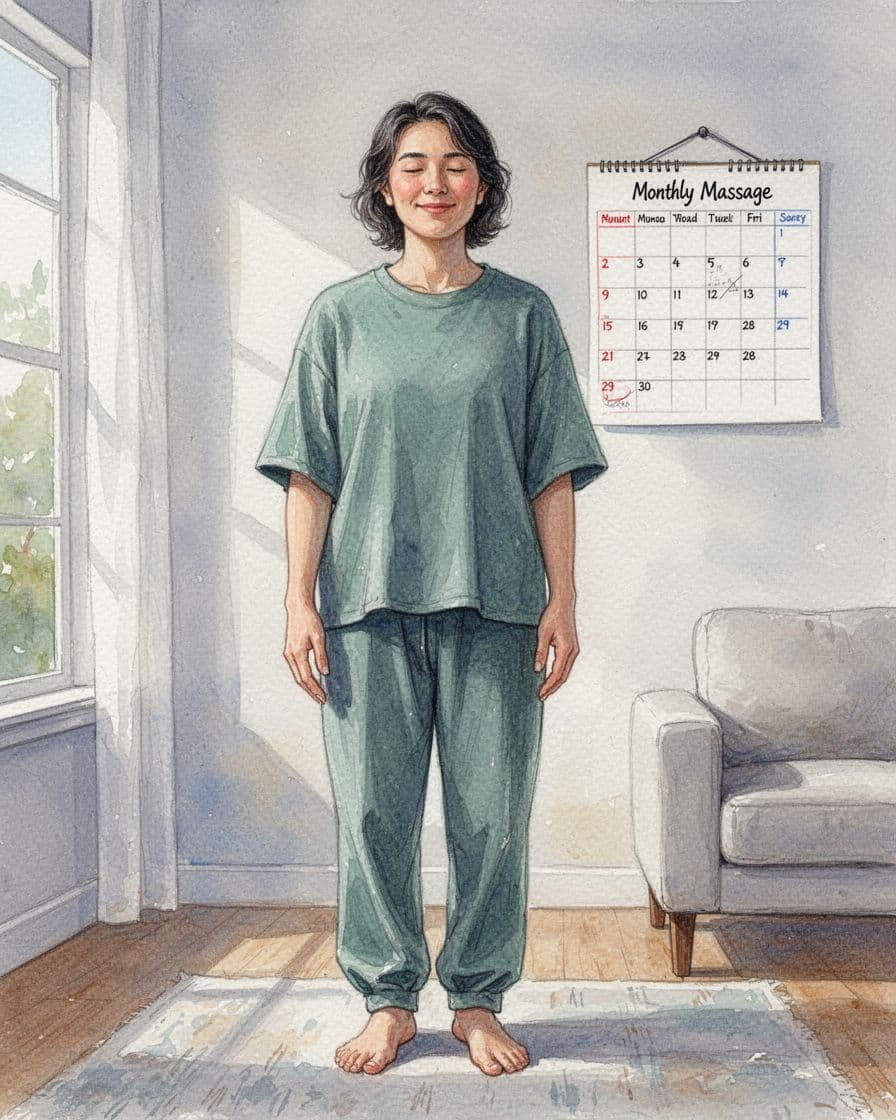
That kind of awareness can support healthier habits outside the treatment room. For example, regular massage may help you:
- Manage stress earlier, before it spills into sleep, mood, or tension headaches
- Recover more consistently after exercise or physically demanding work
- Stay in touch with problem areas, such as tight hips, a stiff neck, or an overworked back
- Build a realistic self-care routine, one that supports daily life instead of reacting only when things flare up
This is also where massage becomes less about escape and more about maintenance. Some people schedule monthly sessions the same way they plan haircuts, workouts, or checkups. Not because every week feels awful, but because regular care helps keep things from piling up.
That said, consistency doesn’t have to mean frequent appointments forever. The right rhythm depends on your body, budget, stress level, and goals. Someone training hard may benefit from more regular recovery work for a season. Another person may do well with occasional massage plus stretching, strength work, and better sleep habits.
A realistic long-term view sounds like this: massage may help you feel calmer, move more freely, recover better, and stay more aware of how stress shows up in your body. Over time, that can support wellness in a quiet but meaningful way. Not flashy, not instant, just steady help that adds up.
How to choose the right massage for your needs
Choosing a Massage should feel simple, not like guessing off a menu. The best fit usually comes down to five things, your goal, your pain level, your comfort with pressure, your health history, and the kind of setting that helps you relax. When those pieces line up, the session feels less random and much more useful.
Think of it like picking shoes for the day. You wouldn’t wear hiking boots to the beach, and you wouldn’t choose sandals for a long climb. Massage works the same way. The right style depends on what your body is asking for right now.
Start with your goal, relaxation, pain relief, recovery, or simple reset
Before you book, name your main goal in one clear sentence. That one step can save you from choosing a massage that sounds good but doesn’t match what you need. Try something simple, like, “I want to relax,” “My shoulders are tight,” or “I need help recovering after workouts.”
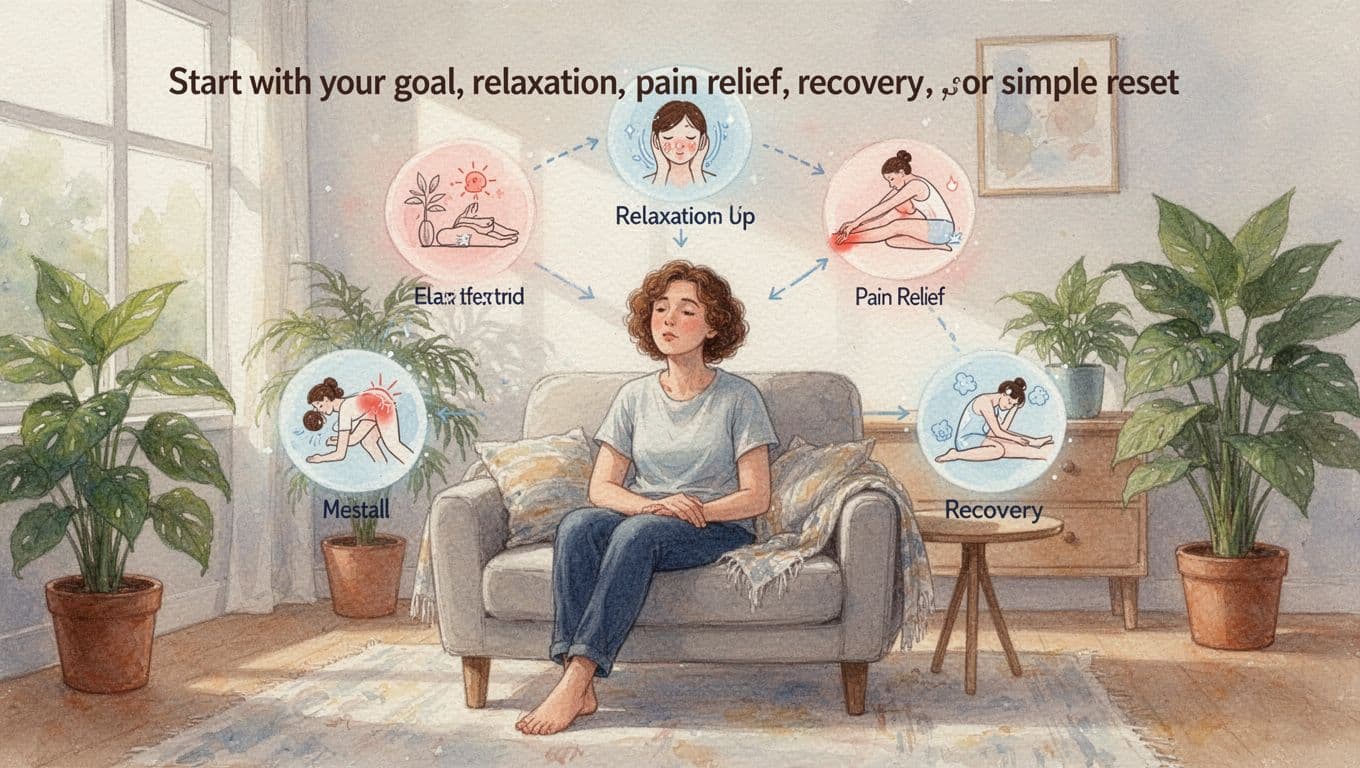
If your body feels wired and your mind won’t slow down, Swedish massage is often the easiest yes. It uses lighter, flowing strokes, so it works well for stress, sleep support, and that all-over tension that comes from too much life at once. In other words, it’s great when you want your nervous system to stop humming like a busy fridge.
If one area feels tight and stubborn, deep tissue massage may fit better. This style tends to help with knots in the neck, upper back, hips, or legs. Still, it works best when the problem is specific. If your whole body feels fragile and exhausted, deep pressure may be too much on that day.
For exercise recovery, sports massage often makes more sense than a general relaxation session. It can focus on sore calves, tight hamstrings, heavy shoulders, or overworked hips. You don’t need to be a serious athlete either. If your body gets sore from training, long walks, lifting, or repetitive work, recovery-based massage can help.
A quick guide makes the choice easier:
- For stress and a full-body exhale: Swedish massage
- For a few tight, stubborn spots: Deep tissue massage
- For training, movement, or muscle recovery: Sports massage
- For feeling worn down and wanting a reset: A gentle wellness massage or Swedish session
Pain level matters too. If your discomfort is mild and broad, a calming massage may be enough. If pain feels sharp, intense, or new, pause before booking a strong session. In that case, it’s smarter to get clear on what’s going on first.
The best massage is not the most popular one. It’s the one that matches your body on that day.
Know your pressure preference and speak up during the session
Many people assume a good massage has to hurt a little. That’s one of the biggest myths in bodywork. Useful pressure can feel strong, focused, and intense at times, but it should not feel like punishment.
A simple rule helps here. If you find yourself holding your breath, clenching your jaw, or pulling away, the pressure is probably too much. Massage should invite your body to release, not fight back. A firm session can still feel safe and steady.
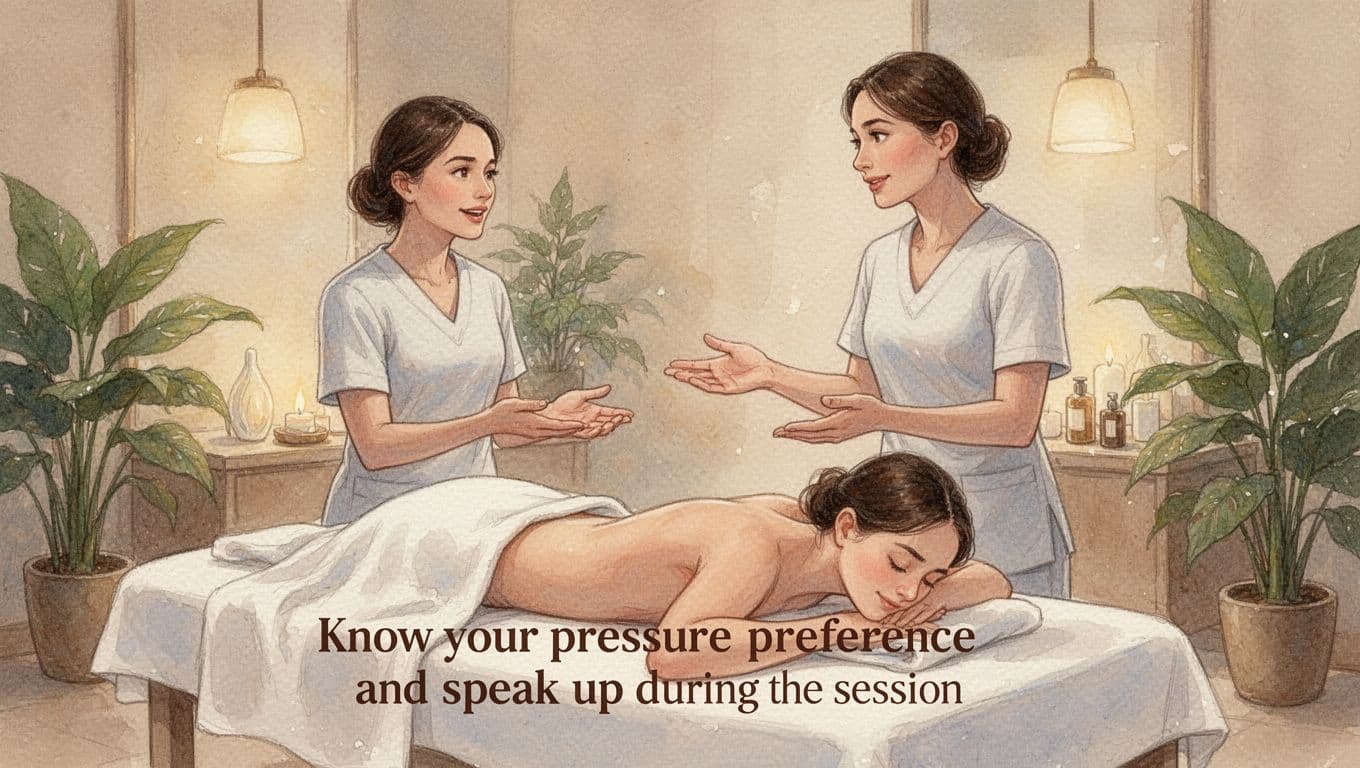
Pressure preference is personal. Some people love light, soothing touch. Others want medium pressure with clear focus on knots. Some enjoy firm work on the back and shoulders but prefer lighter pressure on the legs or neck. That’s normal. Your body is not one solid block, so your massage doesn’t need one setting from start to finish.
It helps to say what you want before the session starts. You can keep it plain:
- Name your pressure level: Light, medium, or firm.
- Point out problem areas: For example, neck, shoulders, low back, or calves.
- Mention sensitive spots: Such as the jaw, feet, abdomen, or any tender area.
- Say what you don’t want: No very deep work, no stretching, or no focus on one area too long.
Then keep talking during the session if needed. You are not being difficult. You are helping the therapist do better work. If you want more pressure, say so. If a spot feels too sharp, ask for less. If one shoulder needs extra time, mention it.
This kind of back-and-forth is part of a good massage, especially now that more therapists shape sessions around the client instead of following a fixed routine. Clear communication turns a decent appointment into a useful one.
Health and safety points to think about before you book
Massage is generally low-risk for many people, but a little honesty before you book goes a long way. Your therapist should know about anything that could change the session, especially if you need lighter pressure, a different position, or a style that avoids certain areas.
Pregnancy is a good example. Many people can still enjoy massage, but it should be the right kind, with proper support and a therapist who knows prenatal care. The same goes for recent surgery, fresh injuries, major swelling, fever, skin infections, severe bruising, or unexplained pain. Those situations may call for a delay, a gentler approach, or a quick check with a qualified health professional first.
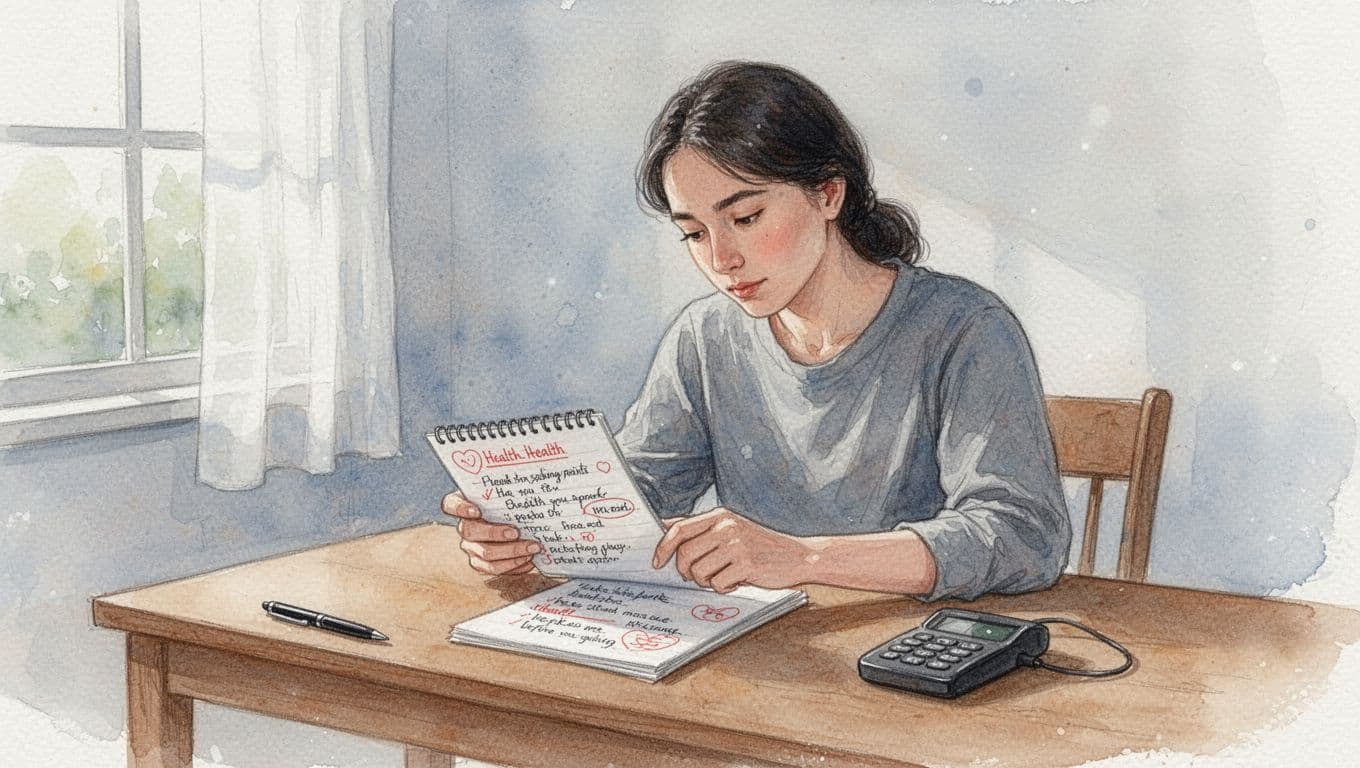
It’s also wise to speak up if you have:
- Recent surgery or healing wounds
- A strain, sprain, or fresh injury
- Skin rashes, open cuts, or irritation
- Fever, illness, or flu-like symptoms
- Major swelling or unusual tenderness
- A serious medical condition, such as heart issues, blood clot concerns, or cancer care needs
This isn’t about fear. It’s about getting the kind of care that fits your situation. In many cases, massage is still possible, but the plan may need to change. A lighter session, a shorter appointment, or avoiding one area can make all the difference.
Setting matters as well. If you’re sensitive, stressed, or new to massage, a calm spa setting may help you settle faster. If your goal is recovery or target work, a clinical or sports-focused setting may feel more useful. Neither is better by default. The right room is the one where your body can let go and your mind can stop bracing.
In short, choose with clarity. Know your goal, be honest about pressure, share your health history, and pick a setting that fits the moment. When you do that, massage stops being a gamble and starts feeling like care with a clear purpose.
What happens during a massage, and how to make each session count
A good Massage session should never feel mysterious. Whether it’s your first visit or your fiftieth, the basics stay the same, clear communication, steady care, and a session shaped around what your body needs that day. In 2026, many therapists also use more tailored intake forms and simple wellness add-ons, but the heart of the experience is still skilled hands, consent, and your comfort on the table.
Before your appointment, how to prepare without overthinking it
You don’t need a complicated routine. Just make it easy on yourself. Arrive on time so you can settle in, breathe, and share any sore spots, stress, or pressure preferences without feeling rushed.
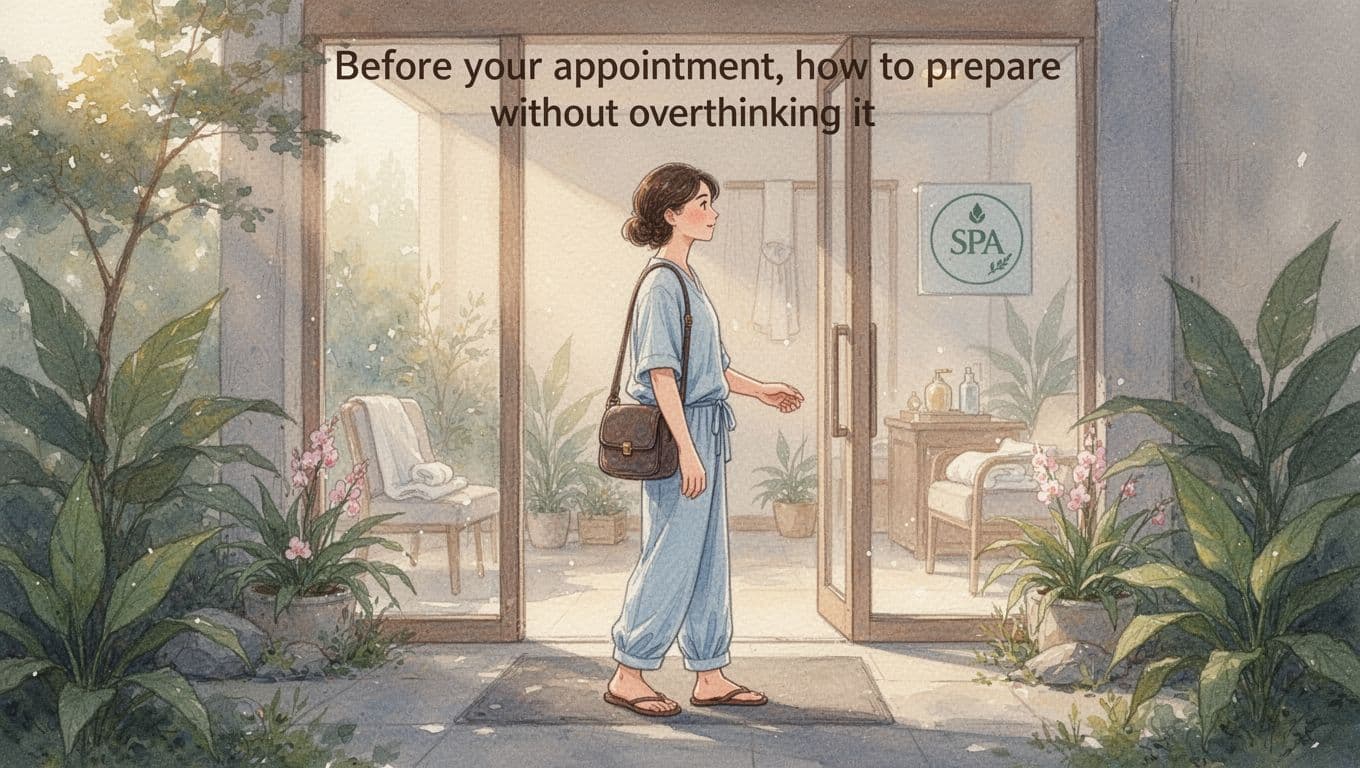
Wear comfortable clothes, stay clean, and skip a heavy meal right before your massage. A light snack is fine if you’re hungry. If the therapist asks about injuries, tension, stress, or goals, that’s a good sign. It means the session will fit you, not a script.
During the massage, what good communication looks like
Most sessions start with a quick check-in, then the therapist steps out so you can get on the table and under the sheet. Draping keeps private areas covered, and a good therapist only uncovers the part they’re working on. Nothing should feel vague or exposed.
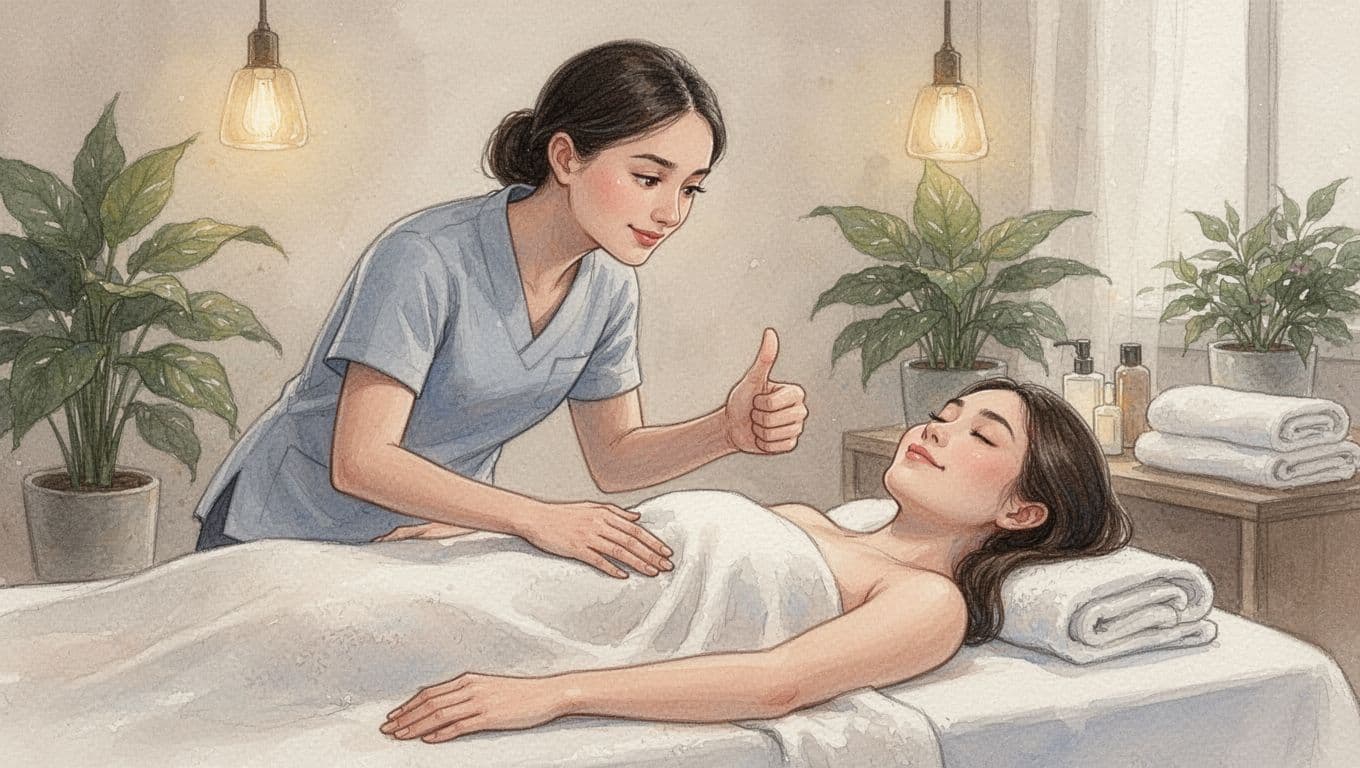
Good communication sounds simple. “Is this pressure okay?” “Do you want more focus here?” “May I adjust the drape?” That’s how trust is built. If something feels too deep, too light, too cold, or just off, say so. A massage works best when your body can unclench, not grit its teeth.
After your session, easy ways to help your body hold onto the benefits
After a massage, give your body a soft landing. Drink water, move gently, and avoid rushing straight into hard exercise if you feel loose or sleepy. A short walk, easy stretching, or a quiet evening often helps the benefits linger.
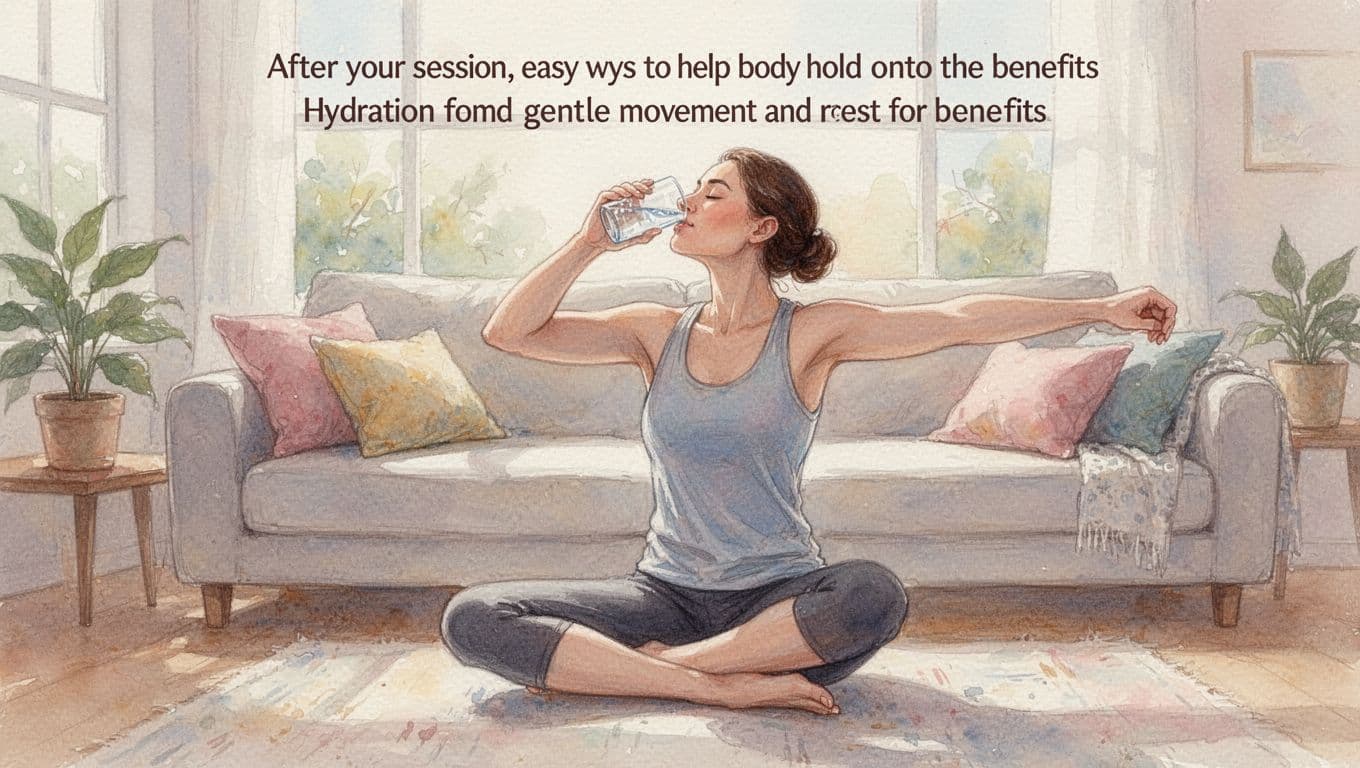
Mild soreness can happen, especially after deeper work. That kind of tenderness usually fades within a day or two. Sharp pain, major swelling, dizziness, numbness, or any symptom that feels unusual is different, and that’s when you should seek medical help. Most of all, notice how you feel afterward, because the more you learn your body’s patterns, the more each massage can help.
Why Harmony Massage & Spa in Roysambu Stands Out
Choosing a Massage spot is a lot like choosing a good tailor. You want skill, comfort, and a place that gets the details right. In Roysambu, Harmony Massage & Spa stands out because it blends all three. It offers the ease of a well-placed location, the comfort of a calm setting, and the kind of service range that makes self-care feel simple instead of stressful.
For someone who loves Massage, that matters. You do not want a hard-to-reach place, a rushed session, or a menu that feels thin. You want care that feels smooth from the moment you book to the moment you walk out lighter.
A Roysambu location that makes Massage easy to fit into your day
One reason Harmony Massage & Spa stands out is its location. It is at Thika Road Mall, second floor, room 12, which puts it in a busy and familiar part of Roysambu. That makes it easier to reach whether you are coming from nearby estates, along Thika Road, or from other parts of Nairobi.

That kind of access changes the whole experience. A great Massage should feel like relief, not another chore on your list. Because the spa sits in a central, easy-to-find area, you can plan a session before work, after errands, or as part of a slower weekend without turning the trip into a long haul.
There is also something reassuring about a spa that sits in a known commercial hub. It feels practical. It feels safe. Most of all, it feels close to real life, which is exactly where massage helps the most.
More than one service, so your care feels complete
Harmony is not limited to Massage alone. It also offers beauty and grooming services, including hair, barber work, nails, skin care, body waxing, and beauty products. That gives the place a clear edge for people who like their wellness care under one roof.
Why does that matter in a Massage article? Because relaxation rarely lives in one lane. Sometimes you want a deep back Massage and a fresh facial. At other times, you want to handle grooming and body care in one visit, then go home feeling reset from head to toe. Harmony makes that possible.
A simple all-in-one setup often means:
- Less running around, because you do not need separate stops
- More convenience, especially on busy weeks
- A fuller self-care routine, with Massage as part of broader body care
For many clients, that kind of convenience feels luxurious in the best way. Not flashy, just smart.
A setting built for both physical relief and mental calm
Harmony’s stated mission centers on improving both physical appearance and mental relaxation. That matters because a good Massage should never be only about muscles. It should also help quiet the noise in your head.
When a spa understands that balance, the experience feels different. The room becomes more than a room. It becomes a pause button. Tight shoulders soften, but so does mental clutter. That is often the real value of a strong Massage session, it works on the body while giving the mind a place to land.
The best Massage spaces do not only treat sore muscles. They help you feel like yourself again.
That is part of what makes Harmony appealing for people in Roysambu. It fits modern life. You can go in carrying stress, stiffness, and a crowded mind, then step out feeling less packed in.
Why many Massage lovers will appreciate Harmony’s appeal
Massage lovers tend to notice the little things. They care about location, ease, comfort, and whether a place feels worth returning to. Harmony checks those boxes in a way that feels grounded and useful.
Its appeal comes down to a few clear strengths:
- Accessible Roysambu location in a known shopping area
- Convenient one-stop care with Massage and beauty services together
- A wellness-focused approach that values relaxation as much as appearance
- Simple contact access, with direct phone numbers available for booking or questions
That mix is hard to ignore. Some spas feel polished but inconvenient. Others are easy to reach but narrow in what they offer. Harmony sits in a better middle ground. It feels reachable, practical, and broad enough to suit real people with real routines.
If you want a Massage place in Roysambu that is easy to access and built around comfort, Harmony Massage & Spa makes a strong case for itself. It is the kind of place that turns self-care from an occasional treat into something you can actually keep up with.
Conclusion
Massage meets you where you are. Some days, it feels like a quiet room for a tired mind. On other days, it works like steady, skilled help for sore shoulders, tight hips, or a back that won’t let go. Either way, the best massage is the one that fits your goal, your body, and your comfort.
So choose your style with care. If you want calm, go gentle. If you need focused muscle relief, ask for work that targets the right spots. Just as important, speak up about pressure, sore areas, and what helps you feel at ease, because comfort is part of the treatment, not an extra.
Over time, massage can become less of a rare reward and more of a smart, personal care tool. It can support rest, recovery, and a better sense of what your body has been trying to say all along.
Give yourself permission to treat massage as regular care, not a last resort. Sometimes relief begins with one hour, one deep breath, and one choice to listen to your body.