
Hot Oil Massage Benefits for Stress Relief, Skin, and Muscle Comfort
By the time you get home in Nairobi, your shoulders may feel locked up, your mind may still be stuck in traffic, and your skin may feel dry from sun, dust, and long hours in air-conditioned rooms. That’s where Hot Oil Massage feels less like a treat and more like a reset, because it brings together warmth, steady touch, and rich oils that help the body soften and the mind slow down.
This guide is for people in Nairobi who want real stress relief, softer skin, and easier muscle comfort after long days, screen time, and mental fatigue. You’ll learn how hot oil massage works, the benefits it may offer, the oils often used, what a session feels like, simple safety tips, and how to choose the right session for your needs.
What a Hot Oil Massage Is and How It Works
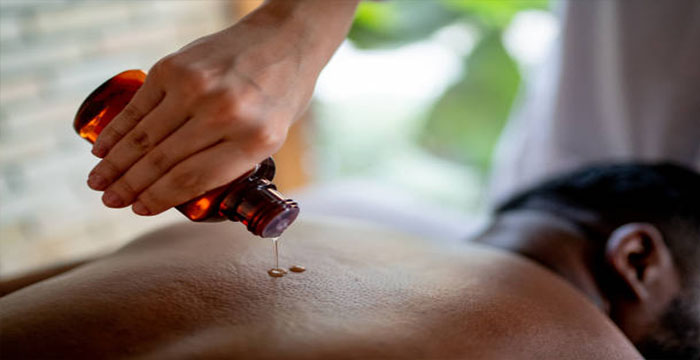
A Hot Oil Massage is a massage where a therapist applies warmed oil to the body and uses smooth, flowing strokes to work it into the skin and muscles. The oil should feel warm, not hot, like a soft blanket for tired areas, never a shock to the skin. For first-timers, that simple detail matters, because comfort is the whole point.
In practice, the warmth helps muscles loosen up sooner, while the oil helps the therapist’s hands glide without dragging on the skin. Because of that, the session often feels calmer and more soothing than a dry massage. Most therapists also adjust the pressure, pace, and oil type to match what your body needs on that day.
Why warmth changes the massage experience
Heat shifts the body into a calmer state faster. When warm oil touches the skin, the body often stops bracing so hard, and tight muscles begin to soften. That early sense of comfort can make a big difference, especially if you’ve walked in feeling tense, cold, or mentally wired.
A dry massage can still feel good, but warmth adds another layer. It feels less like someone working on stiff tissue and more like the body is being invited to let go. As a result, your breathing may slow, your shoulders may drop, and the whole session can feel easier to settle into.
Warmth also helps tight spots feel more workable. Think of cold butter versus butter left out for a while. One resists pressure, the other gives way. Muscles are not butter, of course, but the idea is similar, because gentle heat can help areas like the neck, back, and calves feel less guarded.
That doesn’t mean the therapist needs to use heavy pressure. In many cases, less force works better once warmth is involved. The body tends to fight less, so the therapist can use steady, confident strokes instead of forcing through tension.
When the body feels safe and warm, it often lets go sooner.
For people in Nairobi, this can feel especially welcome after long commutes, desk hours, gym sessions, or days spent moving between dry indoor air and dusty outdoor heat. Warm oil brings a sense of ease before the deeper benefits even begin.
How the oil supports both skin and muscle relief
Oil does two jobs at once, and that’s part of what makes a Hot Oil Massage feel so complete. First, it supports the skin. Second, it improves the flow of the massage itself.
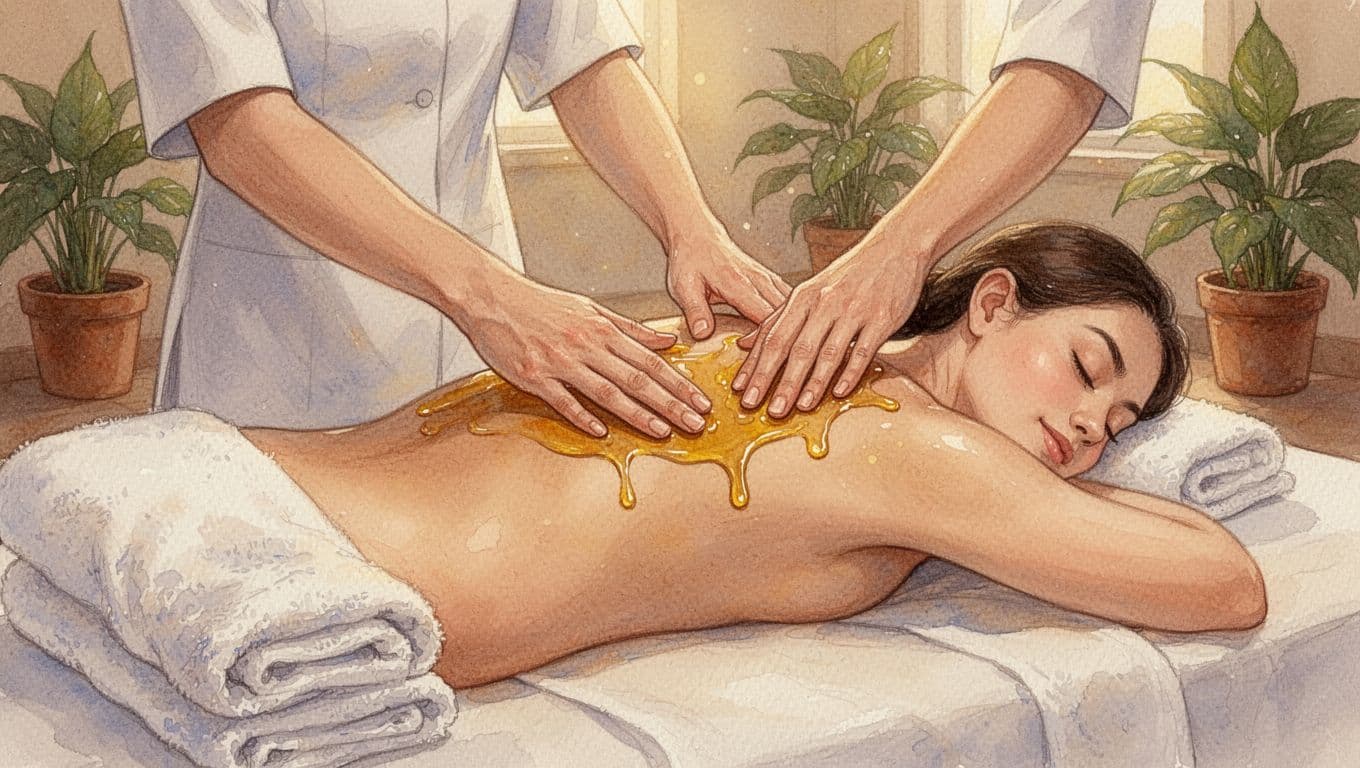
On the skin side, warm oil can help dry areas feel softer and more comfortable. It coats the surface, reduces roughness, and helps lock in moisture. If your skin often feels tight after showering, sun exposure, or air conditioning, this can be one of the most noticeable parts of the treatment.
On the massage side, oil reduces friction. Instead of the therapist’s hands catching on the skin, they can move in long, even strokes across the back, arms, or legs. That smooth glide matters, because it lets the session feel soothing rather than choppy.
This is where hot oil massage often stands out. The therapist can move from broad relaxing strokes to slower work on tense areas without making the skin feel overworked. In other words, the oil creates a better surface for the massage, while the warmth helps the tissue relax underneath.
Some of the most common reasons people choose this style include:
- Less drag on the skin: The hands move smoothly, which feels gentler and more restful.
- More comfort for dry skin: Warm oil can leave the skin feeling supple instead of stripped.
- Better flow for longer strokes: The massage feels continuous, not stop-and-start.
- A softer approach to tension: Muscles may ease without needing very firm pressure.
Therapists usually tailor the oil to your needs. A lighter oil may suit someone who wants a clean, silky finish, while a richer oil may work better for very dry skin. If you prefer light pressure, that can be adjusted too. If your back needs more attention than your arms or legs, the session can shift with that. The best treatments don’t feel generic, they feel personal.
The difference between hot oil massage and other massage styles
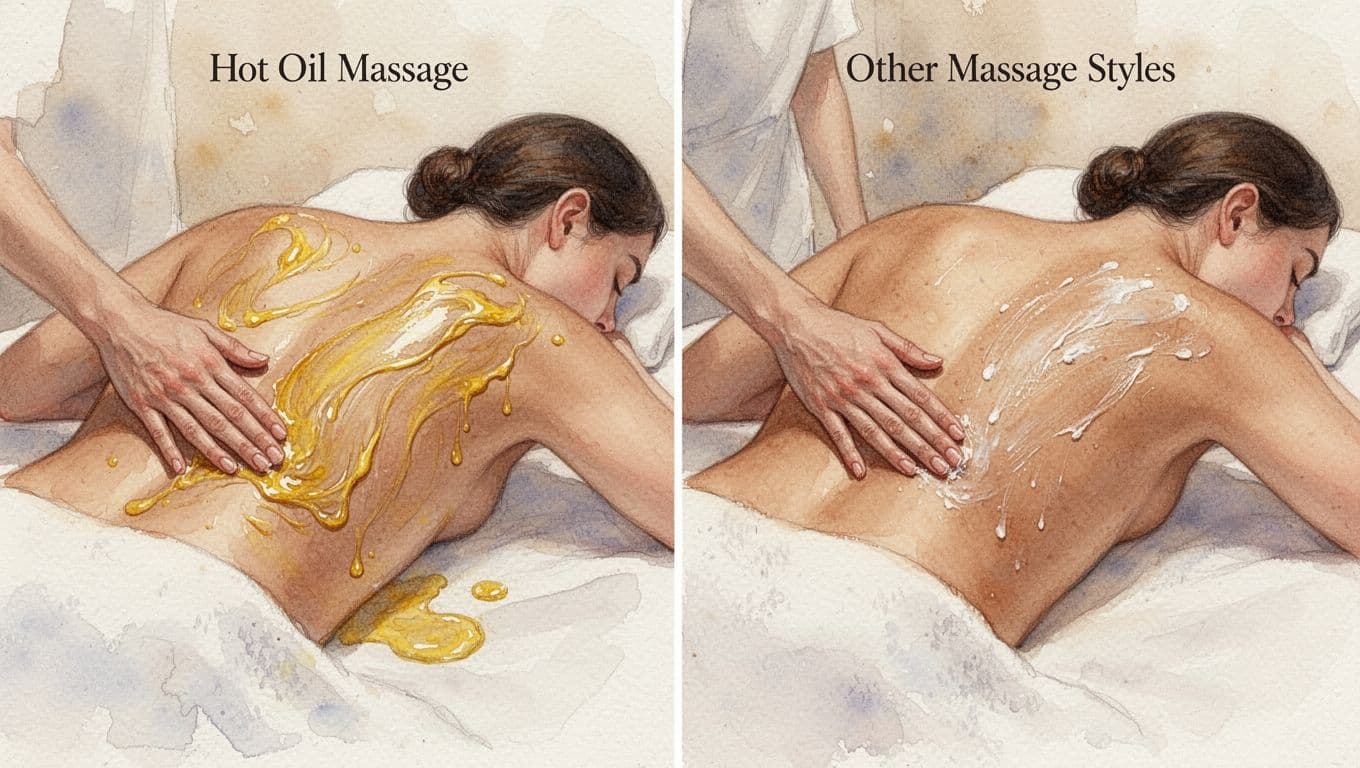
Hot oil massage shares features with several other treatments, but the feel is different. The main thing that sets it apart is the pairing of warmth plus oil-based glide. That combination gives it a softer, more enveloping feel.
Swedish massage is often the closest match. Both can use long strokes and a relaxing pace. However, Swedish massage does not always use warmed oil as the star of the experience. Hot oil massage usually feels warmer, more cocooning, and more skin-focused.
Deep tissue massage is another clear contrast. It uses slower, firmer pressure to work into deeper layers of tension. That can be useful for stubborn tightness, but it often feels more intense. Hot oil massage, by comparison, usually suits people who want relief with a gentler touch.
Aromatherapy massage adds scented essential oils to support mood and calm. Hot oil massage may include pleasant scents too, but the main feature is still the warm oil itself and the way it changes muscle comfort and skin feel. Aromatherapy centers more on scent, while hot oil centers more on warmth and glide.
Hot stone massage uses heated stones placed on the body or moved by the therapist. It also uses heat, but the sensation is different. Stones give focused, deeper warmth in specific areas. Hot oil massage spreads warmth more evenly through the therapist’s hands and the oil across the skin.
This quick comparison makes the choice easier:
| Massage style | How it feels | Typical pressure | Best fit |
|---|---|---|---|
| Hot Oil Massage | Warm, smooth, deeply soothing | Light to medium | Stress relief, dry skin, gentle muscle comfort |
| Swedish massage | Relaxing, rhythmic, classic | Light to medium | General relaxation and circulation |
| Deep tissue massage | Focused, intense, slow | Medium to firm | Stubborn knots, heavy tension, post-work strain |
| Aromatherapy massage | Calm, scent-led, gentle | Light to medium | Mood support, stress, a sensory experience |
| Hot stone massage | Heavier heat, deeply warming | Light to medium | People who want heat with targeted placement |
The takeaway is simple. If you want a massage that feels nurturing, fluid, and easy to sink into, Hot Oil Massage is often the best place to start.
For many people, especially first-time spa guests, it offers a kind introduction to massage because it doesn’t ask the body to work hard. It asks the body to soften, and then supports that process with warmth, glide, and steady hands.
The Main Benefits of Hot Oil Massage for Body, Skin, and Mood
A good Hot Oil Massage does more than feel nice for an hour. It works on the places where busy Nairobi days tend to settle, the neck after traffic, the shoulders after laptop time, the legs after errands, and the mind after too much noise. That mix of warmth, oil, and steady touch can make the whole body feel less braced.
For many adults, that matters because recovery often has to be quick, simple, and real. You may not have time for a full weekend off, but you can still give your body a chance to soften, reset, and come back to itself.
Relief for tight muscles, stiff shoulders, and tired legs
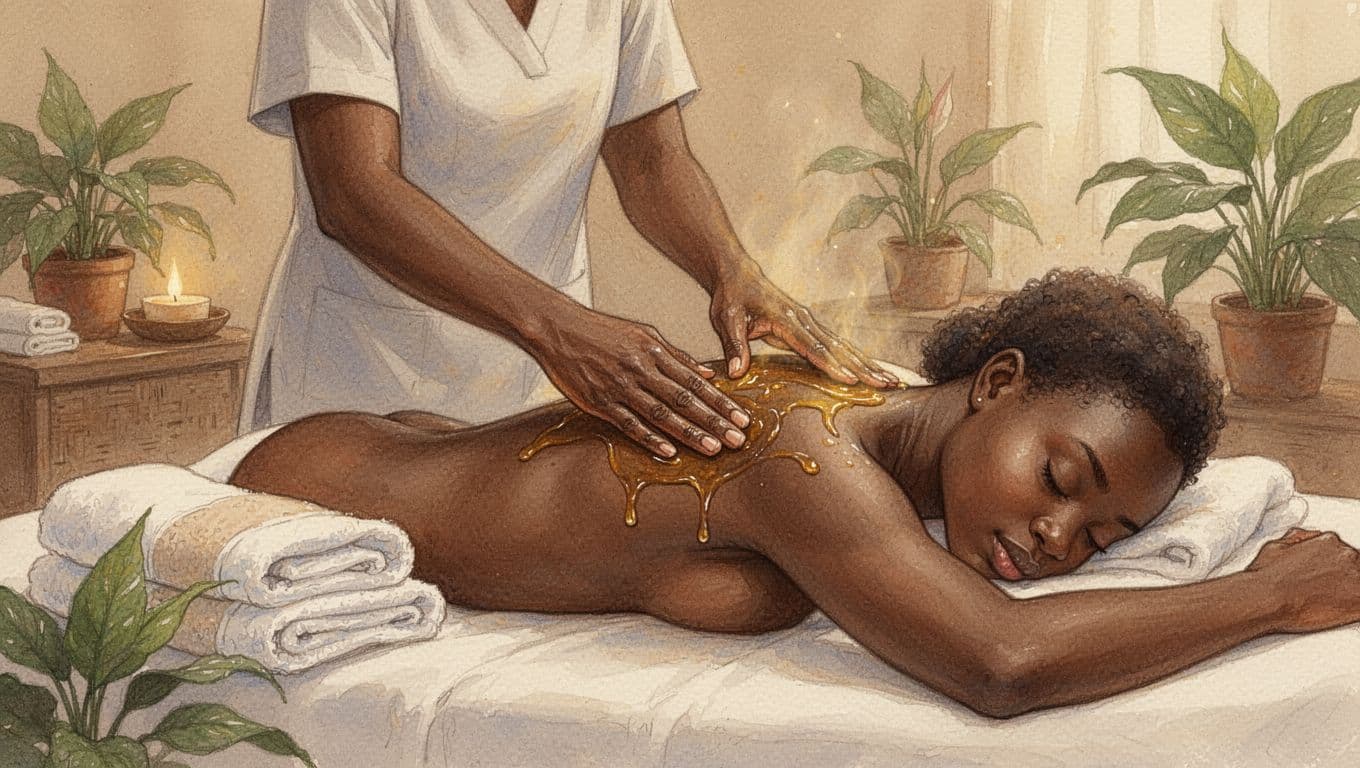
Heat changes the first few minutes of a massage in a big way. Instead of meeting cold, guarded muscles, the therapist works on tissue that is already starting to relax. That makes common tension, especially in the upper back, lower back, calves, and neck, feel easier to work through.
A lot of modern strain is not dramatic. It’s the slow build. You sit too long, drive too far, carry stress in your jaw, then wake up with shoulders that feel like coat hangers. Hot Oil Massage helps because the warm oil and long strokes encourage those tight areas to stop gripping so hard.
If you spend hours at a desk, the pattern is often familiar. Your chest tightens, your shoulders round forward, and your neck does extra work all day. Add long commutes across the city, and the lower back and hips often join in. Warm oil does not erase every knot in one visit, but it can help the body feel less locked and more willing to let go.
The same goes for workout fatigue. After gym sessions, runs, or long walks, muscles can feel heavy and short. Here, the glide of the oil matters almost as much as the heat. It lets the therapist use broad, smooth strokes that soothe tired legs without making the skin feel rubbed raw.
You may notice a few changes during and after the session:
- Less pulling in the shoulders, because the area starts to soften under warmth
- Easier movement in the neck and back, because the body stops guarding so much
- Lighter-feeling legs, especially after standing, walking, or driving for long periods
- A general sense of looseness, even if one or two stubborn spots remain
That last point is what many people remember most. They stand up after the session and feel a little more open, a little more upright, and a little less weighed down. Not transformed into a new person, but more like yourself again.
Warmth plus steady pressure often feels like turning down the volume on body tension.
In Nairobi, where long workdays and stop-start traffic can keep the body in a low-grade clench, that lighter feeling is a big part of the appeal. It’s practical relief, not just pampering.
Softer, healthier-looking skin after the session
The skin benefits of Hot Oil Massage are easy to overlook until you feel them for yourself. Warm oil sits on the skin like a drink of water after a dry day. It helps reduce that rough, tight feeling and leaves the surface softer, smoother, and more supple.
This can feel especially welcome in dry weather, after time in air-conditioned offices, or during weeks when your skin looks dull and tired. Nairobi’s mix of sun, dust, indoor cooling, and frequent washing can leave the body looking flat or feeling thirsty. A warm oil treatment helps bring back a softer finish and a more rested look.
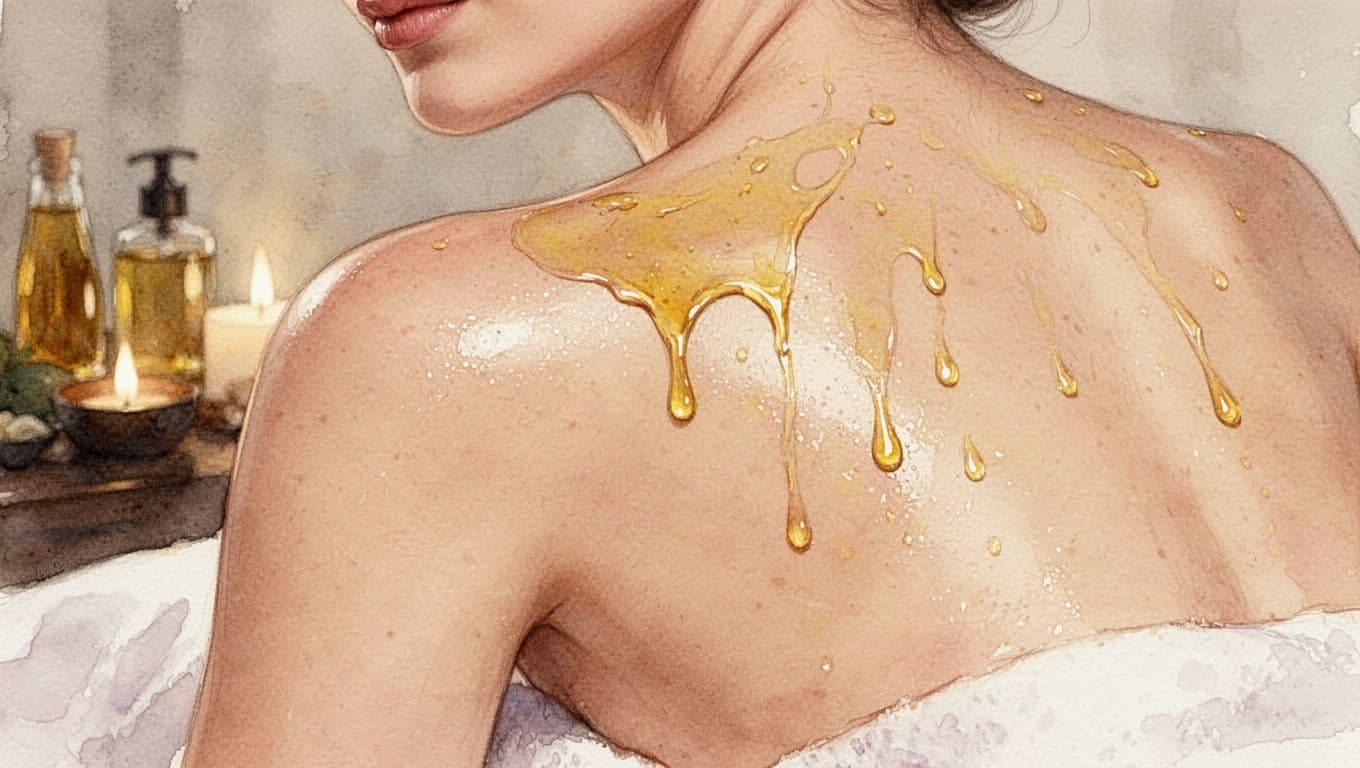
Part of this comes from moisture. Oils help coat the skin and reduce dryness on the surface. Part of it also comes from the massage itself. As the therapist works the oil in with slow strokes, the skin often looks fresher and a bit more radiant afterward. It’s the difference between fabric that looks creased and fabric that has just been smoothed by hand.
That glow is one reason people often choose hot oil treatments before special weekends, travel, or social events. The results are not harsh or shiny. Instead, the skin tends to look calmer, better cared for, and more alive.
Some areas may benefit the most:
- Arms and elbows, which often feel rough without much notice
- Shins and calves, especially if they get dry or ashy
- Back and shoulders, where skin can feel tired after sun and sweat
- Feet and lower legs, which often carry both dryness and fatigue
The effect also goes beyond appearance. Softer skin simply feels better to live in. When your body is not dry, itchy, or tight, comfort improves from the outside in. That can make the whole massage feel more complete, because your muscles relax while your skin gets a reset too.
A calmer mind and better rest later in the day
One of the strongest benefits of Hot Oil Massage is how it changes your pace. The body slows first, then the mind often follows. Breathing gets deeper. Thoughts stop racing quite so fast. The day stops pushing for a moment.
That mental shift matters more than ever in Nairobi in 2026. People are juggling packed work schedules, constant phone alerts, long commutes, and the pressure to stay switched on. So it’s no surprise that spa treatments centered on warmth, massage, and stress relief remain popular across the city. Many people are not looking for drama. They want quiet, calm, and a way to come down gently after doing too much for too long.
A hot oil session supports that in simple ways. The room is warm. The touch is rhythmic. The oil adds a cocoon-like feel. All of that can help you move out of that braced, busy state and into something softer. It is less like hitting an off switch and more like watching muddy water settle in a glass.
This is why people often say they feel emotionally lighter afterward. The stress may not be gone, but it no longer sits on the chest in the same way. Problems feel less sharp. Your mood may lift, not because the world changed, but because your body stopped sounding the alarm for a while.
Later in the day, many people notice a few subtle wins:
- They feel less snappy or mentally crowded
- They find it easier to unwind at home
- Their evening feels quieter and more settled
- They drift into rest with less inner noise
That does not mean Hot Oil Massage is a cure for sleep issues or emotional strain. Still, it often creates the kind of calm that makes rest more likely. When your muscles are softer and your nervous system feels less stirred up, bedtime can feel a little easier.
For busy adults, that’s a powerful benefit. A good session does not only ease the body on the table. It can also shape the hours after, helping you walk back into your evening with a steadier mood, looser shoulders, and a little more room to breathe.
The Oils Commonly Used in Hot Oil Massage and What They’re Best For
Not all massage oils feel the same on the skin. Some glide like silk and disappear fast. Others sit longer, feel richer, and leave the body wrapped in a soft sheen. In a Hot Oil Massage, that difference matters because the oil shapes both the touch and the finish.
In many Nairobi spas, therapists often work with coconut, almond, or sesame oil, then add lavender or eucalyptus blends when scent fits the mood of the session. The right choice can make the treatment feel lighter, warmer, fresher, or more cocooning, so it helps to know what each one brings.
Coconut, almond, and sesame oils, simple choices with different feels
Coconut oil often feels the lightest of the three. It spreads easily, absorbs fairly fast, and leaves a smoother finish without feeling too heavy. For many people, it suits warm days, oily-prone skin on the body, or anyone who wants a clean, silky feel after a Hot Oil Massage.
Almond oil usually feels a bit softer and more nourishing. It has a gentle slip that gives the therapist plenty of glide, yet it tends to leave the skin cushioned and comfortable. If your arms, legs, or back often feel dry, almond oil can feel like a soft sweater for the skin, comforting without being too thick.
Sesame oil is often the richest and warmest-feeling option. It has a deeper, slightly heavier texture, so it tends to suit people who want that wrapped-up, deeply soothed feeling. In a massage, it can make the whole treatment feel more grounding, especially when your body feels tense, cool, or worn down.
This quick comparison makes it easier to picture the difference:
| Oil | How it feels | Skin finish | Often best for |
|---|---|---|---|
| Coconut oil | Light, smooth, easy to absorb | Silky, less heavy | Warm weather, lighter feel, normal skin |
| Almond oil | Soft, balanced, nourishing | Supple, moisturized | Dry or sensitive-feeling skin, all-around comfort |
| Sesame oil | Rich, warm, grounding | More coated, deeply cushioned | Very dry skin, cooler days, a cocoon-like feel |
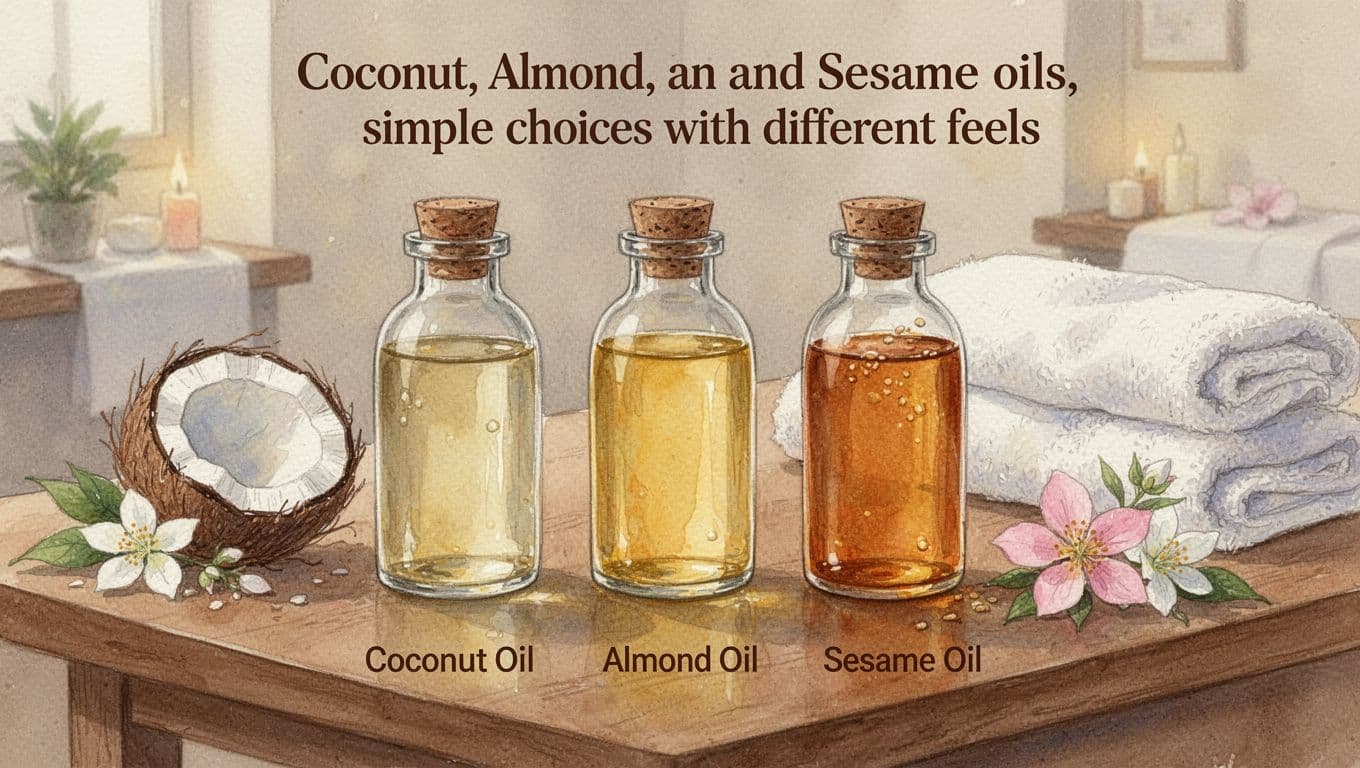
A therapist may choose one over another for simple reasons. They may want more glide for longer strokes, more richness for dry skin, or a warmer feel for tired muscles. In short, the best oil is not the fanciest one, it’s the one that matches how you want your body to feel when the session ends.
How essential oils can change the mood of the treatment
Base oils do most of the skin work, but essential oil blends can shift the feel of the room. A few drops of lavender or eucalyptus can change the mood of a Hot Oil Massage much like music changes the tone of a film scene. The hands may stay the same, but the whole treatment feels slightly different.
Lavender blends are often chosen when the goal is calm. The scent is usually soft, floral, and quiet, so it can make the session feel more settled and restful. Many people associate it with unwinding at the end of a long day.
Eucalyptus blends create a fresher mood. The scent often feels cleaner, cooler, and more awake, which some people enjoy when they want to feel refreshed rather than sleepy. It can bring a crisp edge to the warmth of the oil, like opening a window in a warm room.
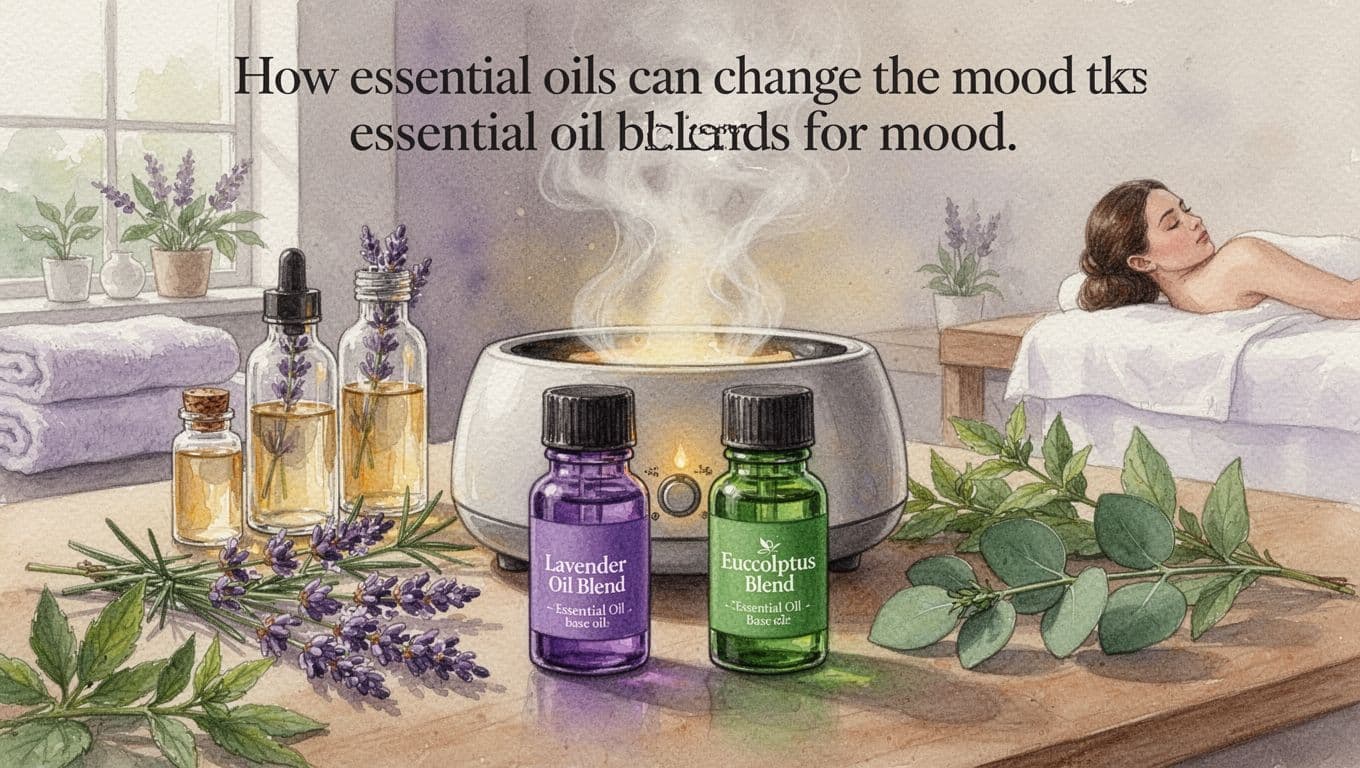
Still, scent is personal. One person finds lavender comforting, while another may prefer no added fragrance at all. The same goes for eucalyptus, which can feel fresh to some and too sharp to others.
A good massage scent should support your comfort, not compete with it.
That is why fragrance sensitivity matters. If strong scents give you headaches, make your skin uneasy, or simply distract you, say so before the treatment starts. A plain base oil is often the better choice, and there is nothing less luxurious about keeping it simple.
How to choose the right oil for your skin and comfort
The best oil is the one that suits your skin, your nose, and your mood that day. If your skin feels dry or tight, a richer option like almond or sesame may feel better. If you dislike a heavy finish, coconut may be the easier fit.
For sensitive skin, less is often more. A plain, unscented base oil is usually the safest place to start, especially if you are trying hot oil massage for the first time. If you know you react to nuts, fragrances, or certain plant oils, mention that clearly before the session so the therapist can guide you away from problem ingredients.
A simple way to choose is to think in terms of comfort:
- For dry skin: Almond or sesame often feels more nourishing.
- For a lighter finish: Coconut usually feels cleaner and less rich.
- For scent sensitivity: Skip essential oils and choose an unscented base oil.
- For known allergies: Tell the spa in advance and ask exactly what is in the blend.
Personal taste counts too. Some people love leaving with skin that feels deeply coated and soft. Others want to get dressed right away without much residue. Neither choice is wrong, because a good Hot Oil Massage should feel tailored, not standard.
Before the massage begins, speak up about what you like and what you don’t. Tell the therapist if you prefer no scent, a lighter oil, or extra moisture on dry areas like the shins, elbows, or feet. That short conversation can shape the whole session, and it often makes the treatment feel much more personal from the first touch.
What to Expect During a Hot Oil Massage Session in Nairobi
If you’re booking your first in Nairobi, it helps to know the rhythm of the session before you arrive. Once the steps feel familiar, the whole experience becomes easier to enjoy. Most sessions run for about 45 to 90 minutes, so you have enough time to settle in, unwind, and let the body soften without feeling rushed.
A good session should feel calm from start to finish. The room, the oil, the therapist’s pace, and the aftercare all work together. Think of it like easing into warm water, not jumping into the deep end.
Before the massage, consultation, comfort, and setting
Before the massage begins, there is usually a short check-in. It doesn’t take long, but it shapes the whole experience. The therapist may ask about pressure preference, sore areas, old injuries, allergies, skin sensitivity, and whether you want extra attention on places like the neck, shoulders, lower back, or calves.
This is also the time to speak plainly about comfort. If you prefer lighter touch, less fragrance, more draping, or a quieter session, say so. Those small details matter because a Hot Oil Massage should fit your body, not force you into a standard routine.

Then you step into the setting itself, and that first impression often lowers the shoulders before a hand even touches the skin. The room is usually warm, softly lit, and quiet, with low music that stays in the background rather than asking for attention. Clean linens, fresh towels, and a neatly prepared massage table send a simple message: you can let go here.
You’ll usually change in private, often into disposable underwear or a towel, then lie on the table under a sheet or towel. Only the area being worked on is uncovered at a time. That modest, careful draping helps many first-timers relax, because the session feels professional, respectful, and easy to trust.
The best start to a hot oil massage is simple: clear communication, a warm room, and the sense that you’re in good hands.
During the massage, warm oil, flowing strokes, and focused tension work
Once you’re settled, the therapist warms the oil first. It should feel cozy, not hot, more like sun-warmed fabric than heat from a kettle. In many sessions, the therapist tests the oil before using more of it, so the first touch feels soothing rather than surprising.
The massage often starts with broad, gliding strokes across the back. That opening stage spreads the oil evenly and gives the therapist a feel for where the body is holding tension. From there, the session may move in a steady order, usually back, shoulders, neck, arms, legs, and sometimes feet or scalp, depending on the treatment length.
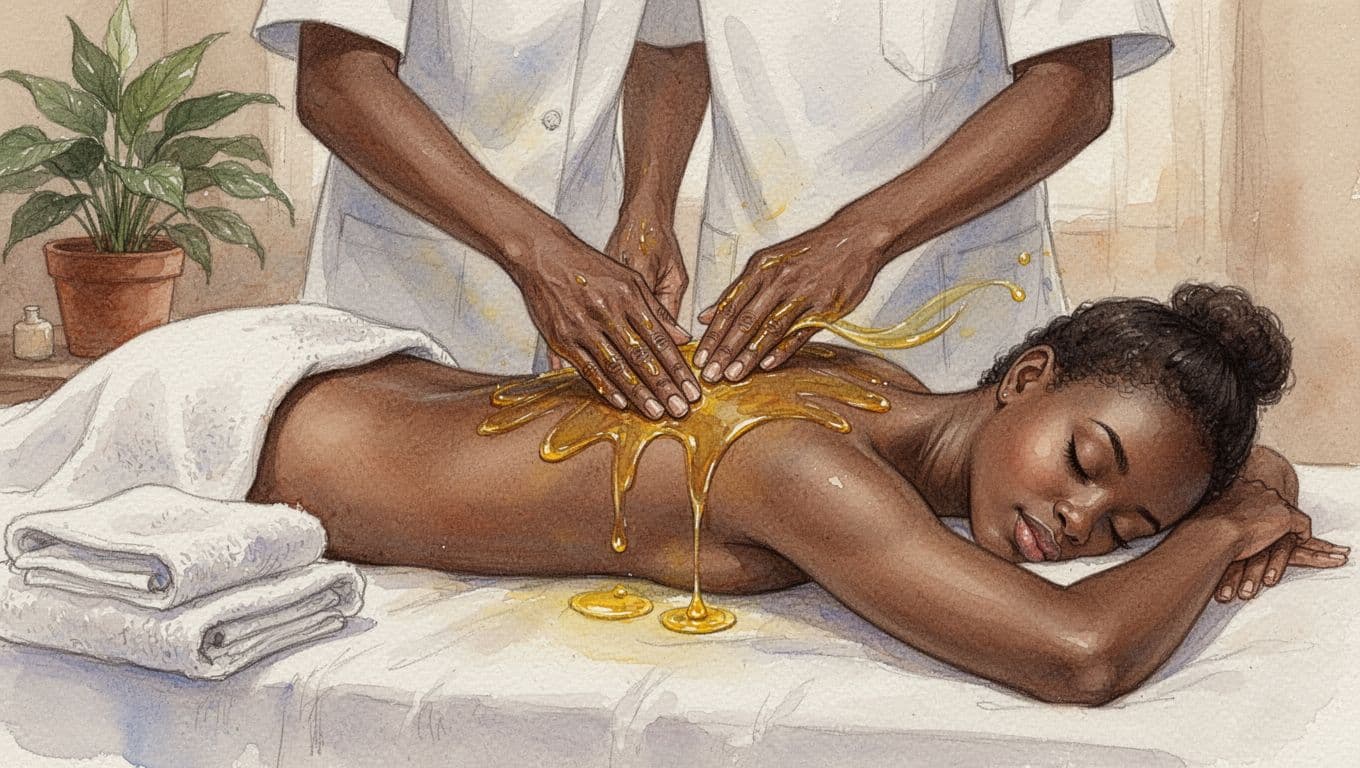
At first, the strokes tend to be long and flowing. They calm the nervous system and help the muscles stop bracing. Then, if the therapist finds tighter spots, the pressure may shift. Gentle gliding can turn into slower kneading, circular thumb work, or firmer passes over knots in the shoulders, lower back, or calves.
That change in pressure shouldn’t feel abrupt. It usually builds in stages, like ironing a crease from fabric. The therapist may stay longer on one stubborn area, then return to smoother strokes so the body doesn’t tense up again.
If anything feels too light, too firm, or too fast, say so. A good therapist expects that feedback and adjusts. And if you’re comparing styles, this will feel much more fluid and oil-based than Thai massage services, which focus more on stretching and assisted body movement than warm oil glide.
After the massage, how to make the good feeling last longer
When the massage ends, most people need a minute before getting up. That’s normal. You may feel loose, quiet, sleepy, or deeply relaxed, almost as if the body has gone soft around the edges. Give yourself a little time to sit up slowly and come back to the room.

Aftercare is simple, but it makes a difference. Start with water, because hydration helps you feel fresher afterward. If you can, keep the rest of your day light. A massage can leave you feeling dreamy, and that’s not the best time to rush back into stress, heavy workouts, or loud errands.
A few easy habits help the benefits linger:
- Drink water after the session and again later in the day.
- Rest if possible, even if it’s just a slow evening at home.
- Wait a bit before showering so the oil has time to sink into the skin.
- Move gently if you feel loose and sleepy, especially when standing up.
If some oil remains on the skin, that’s often part of the point. Letting it sit for a while can leave your skin softer and more comfortable. By the time you head back into Nairobi traffic, you want the massage to stay with you like a low, steady hum, not disappear the moment you leave the table.
How to Know if Hot Oil Massage Is Right for You
A Hot Oil Massage can feel like a warm exhale for the whole body, but it isn’t the best match for every person or every goal. Some people melt into it right away because they want calm, warmth, and gentle muscle relief. Others need more focused work, less heat, or a treatment that avoids oil altogether.
The key is simple, match the massage to what your body is asking for today. If you know what tends to work for you, the choice gets much easier.
People who usually love this treatment most
If your body responds well to warmth, this style often feels like coming home. It’s a strong fit for people with dry skin, day-to-day stress, mild muscle tightness, or that heavy feeling that builds after long commutes, desk work, or poor sleep.
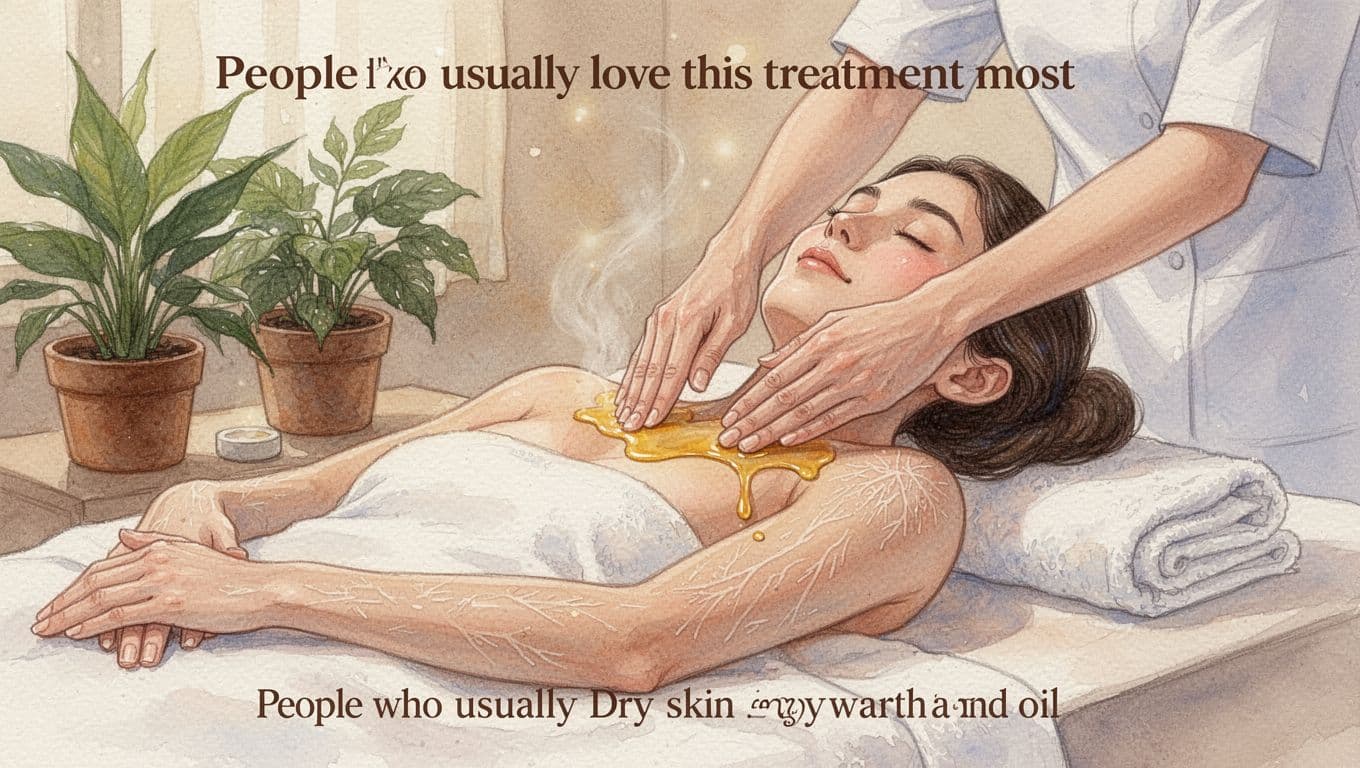
It also tends to suit people who enjoy a slower massage pace. Instead of chasing every knot with firm pressure, the treatment coaxes the body to soften. Think of it like loosening a tight lid with warm water first, rather than forcing it open.
You may be a good fit if you want:
- A calmer mind after a loud, busy week
- Softer skin that feels less dry or tight
- Gentle relief for shoulders, back, or legs
- A soothing experience rather than an intense one
For first-time spa guests, Hot Oil Massage often feels easier to settle into because it’s nurturing from the start. If your main goal is to unwind, not grit your teeth through deep pressure, this is often the better choice.
When to pause, ask questions, or choose a different massage
Warm oil is comforting, but there are times to slow down before booking. If you have skin irritation, open cuts, a rash, active eczema, or a known oil allergy, this treatment may not be right until the issue clears or you get advice first.
The same goes for fever, recent injury, swelling, fresh bruising, heat sensitivity, or health conditions that make massage or warmth less suitable. Some people with heart concerns, high blood pressure, pregnancy-related restrictions, or nerve issues should check with a health professional before having a hot oil session.
If anything about heat, pressure, or oils worries you, say it before the massage starts.
A good therapist wants that information. Tell them about allergies, medications, recent pain, implants, or areas that should be avoided. That short conversation can prevent a bad experience and help you choose a safer, more comfortable treatment.
How it compares when you want deeper pressure or a more targeted result
Sometimes relaxation is the goal. Other times, you want a therapist to zero in on one stubborn problem. That’s where another massage style may fit better.
If you want firm work on long-standing knots, deep tissue massage may make more sense than Hot Oil Massage. If you’re dealing with workout strain or a clear recovery goal, sports massage is often the more focused option. On the other hand, if your tension sits mostly in the scalp, jaw, or neck, a head massage may suit you better. If your feet feel sore, swollen, or overworked, a foot-focused session can be the smarter pick.
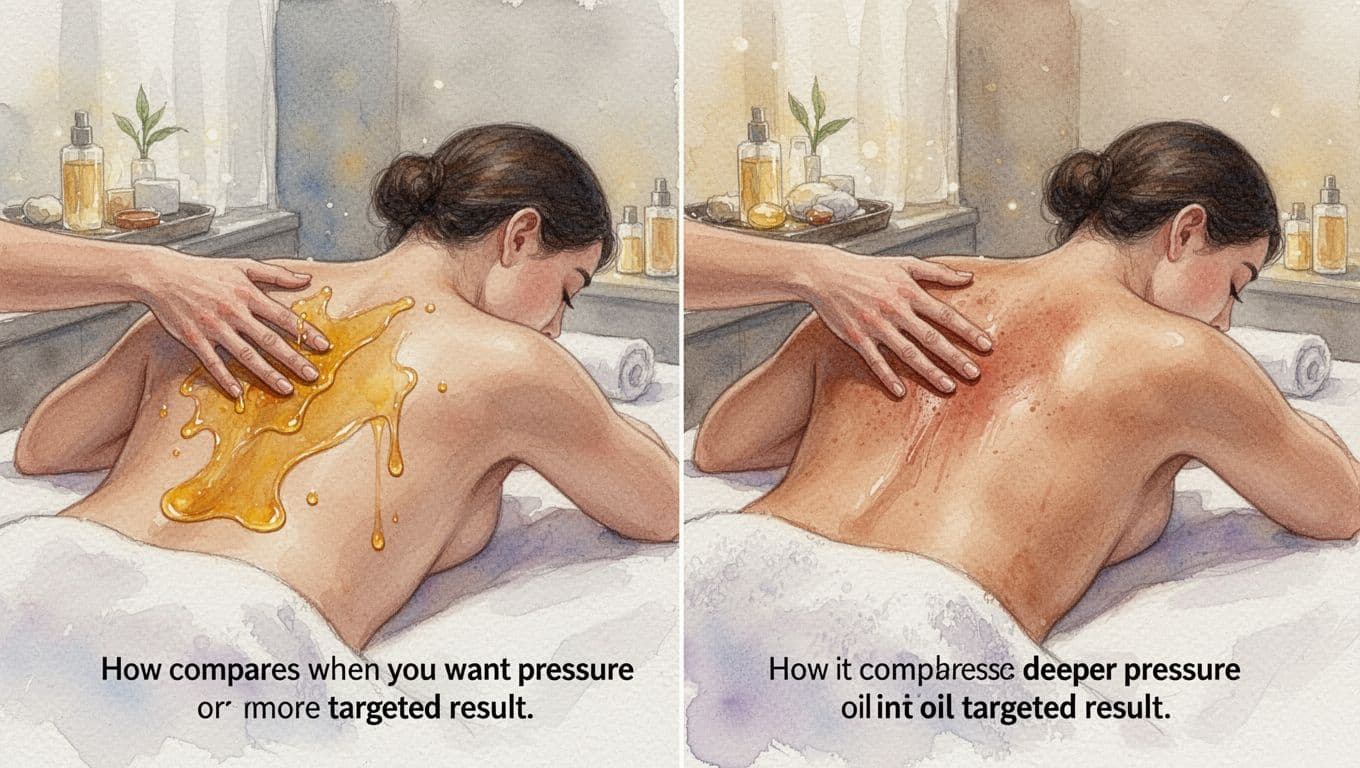
In short, Hot Oil Massage is best when you want whole-body comfort, warmth, and a slower rhythm. If you need precision, firmer pressure, or work on one area only, another style may serve you better that day. That isn’t a downside, it’s just the difference between a soft blanket and a toolbox. Both help, but not in the same way.
Conclusion
A good Hot Oil Massage meets real life in Nairobi where long drives, desk hours, dry air, and a busy mind can all settle into the body at once. That’s why this treatment stands out, it brings warmth for tight muscles, relief for tired shoulders and legs, a calmer mood, and softer skin that feels cared for long after the session ends.
Just as important, the best results come from choosing a skilled therapist and speaking up about pressure, oil, scent, and any sensitivities before the session starts. Then let yourself slow down fully, because sometimes the body doesn’t need more effort, it needs permission to soften.
If you give Hot Oil Massage that space, the effect can stay with you for hours, like stepping back into Nairobi with looser shoulders, quieter thoughts, and skin that still holds a little of that gentle warmth.