

Deep Tissue Massage Benefits, What It Feels Like, and Who It Helps
Your shoulders feel like stone by late afternoon. Your lower back nags when you stand up, and your legs stay heavy long after a hard workout or a long shift. When that kind of tension sticks around, Deep Tissue Massage often comes up, and for good reason.
This isn’t just a gentler massage with more pressure piled on. Deep Tissue Massage has a clear job: it works into deeper layers of muscle and connective tissue to help ease stubborn tightness, sore spots, and the knots that don’t seem to let go. Because of that, the strokes are usually slower, firmer, and more focused than a standard relaxation massage.
Still, “deep” doesn’t mean you should expect a session that feels harsh from start to finish. At times, it can feel intense, especially in areas that are tight or overworked. Even so, a skilled therapist works with your body, not against it, so the goal is relief, better movement, and less tension, not gritting your teeth through pain.
In this guide, you’ll get a clear look at what Deep Tissue Massage is and how it works inside the body. You’ll also learn the benefits people often seek, what it tends to feel like during and after a session, and who may get the most out of it, from desk-bound workers to athletes and anyone carrying long-term muscle strain.
Just as important, this article covers who should be careful, when firm pressure may not be the best choice, and how to get the most from your appointment. So if you’ve been curious about whether Deep Tissue Massage can help with pain, stiffness, or recovery, you’re in the right place.
What Deep Tissue Massage is, and what makes it different from a relaxing massage
Deep Tissue Massage is a focused form of bodywork that aims to ease long-held tension, stiffness, and pain. In plain English, it goes past the light, soothing surface strokes of a relaxation massage and works deeper into muscle and fascia, the thin web of tissue that wraps and supports your muscles.
That deeper focus is what sets it apart. The therapist usually uses slow strokes, firm pressure, and steady, targeted work on areas that feel bound up or sore. Instead of giving your whole body the same soft treatment, Deep Tissue Massage often lingers on the spots that have been pulling, tightening, and limiting movement for weeks or even months.
A relaxing massage can feel like a warm exhale. Deep tissue often feels more like careful untangling. The goal isn’t just to help you drift off, although many people still feel calm afterward. The real purpose is to help your body move with less strain and carry less pain.
How deep pressure works on tight muscles and fascia
When muscles stay tense for too long, they can start to feel like a shirt with too many wrinkles pressed into it. Some areas bunch up, some feel ropey, and some stop gliding the way they should. That’s where Deep Tissue Massage helps.
People often call these trouble spots knots, but a simple way to think of them is this: parts of the muscle stay stuck in a tight, guarded state. Adhesions are similar. They act like little areas of tissue that have become sticky or stiff, almost as if layers that should slide have started clinging together. When that happens, movement can feel restricted, sore, and heavy.
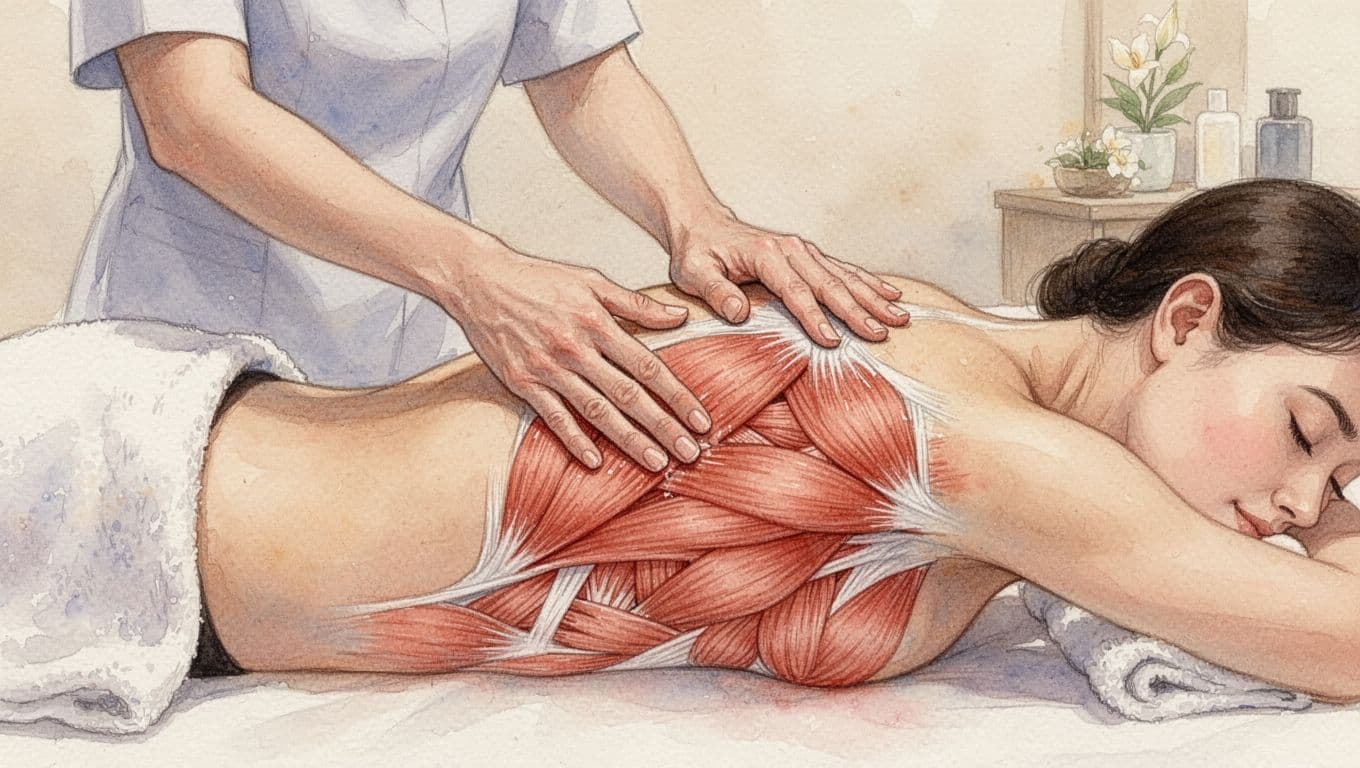
Deep pressure works by giving those tight areas time to soften. Instead of rushing, the therapist uses sustained pressure and slow friction across the grain of the tissue or along the muscle. That steady contact can help tense spots loosen their grip.
As the area starts to release, a few good things can happen:
- Stiffness eases because the muscle is no longer bracing as hard.
- Blood flow improves because the tissue is not being squeezed as tightly.
- Movement feels easier because the layers can slide more freely again.
Think of fascia like cling wrap around the body. When it feels supple, you move with less effort. When it gets tight, every stretch and turn can feel shorter than it should. Deep Tissue Massage helps restore some of that lost give, so your neck turns easier, your shoulders drop, and your back doesn’t feel locked in place.
The best deep tissue work doesn’t force your body open, it encourages tight tissue to let go.
Deep Tissue Massage vs Swedish massage, sports massage, and trigger point work
These massage styles can overlap, but they don’t all feel the same or aim for the same result. A quick side-by-side view makes the difference clear.
| Massage style | Pressure | Pace | Main goal | Best fit |
| | | | | |
| Deep Tissue Massage | Firm to deep, but controlled | Slow and focused | Reduce chronic tension, stiffness, and pain in deeper muscle layers and fascia | Long-term tightness, sore shoulders, stiff back, limited movement |
| Swedish massage | Light to moderate | Smooth and flowing | Relax the body, calm the mind, improve general circulation | Stress relief, first-time massage, gentle full-body comfort |
| Sports massage | Varies, from moderate to firm | Can be brisk or targeted | Support performance, recovery, and movement before or after activity | Athletes, gym-goers, training recovery, overworked muscle groups |
| Trigger point work | Focused and precise | Usually slower on one exact spot | Release a specific tender point that may refer pain elsewhere | Sharp, localized knots, pain that shoots or spreads |
The main difference comes down to intent. Swedish massage is usually about overall relaxation. Sports massage is built around activity and recovery. Trigger point work zooms in on a very specific sore spot. Deep Tissue Massage sits in the middle of these needs, with a strong focus on stubborn tension patterns that keep coming back.
If your body feels generally stressed and tired, Swedish may make more sense. If you’re training hard and want help before or after exercise, sports massage may suit you better. If one tiny point in your shoulder sends pain up your neck, trigger point work could be the better match.
Deep Tissue Massage is often the better fit when the issue feels broader and deeper, like:
- a lower back that always feels tight
- shoulders that stay lifted all day
- hips or legs that feel dense and restricted
- muscles that don’t fully relax, even after rest
In other words, it’s less about pampering and more about practical relief.
Why stronger does not always mean better
A lot of people assume that if pressure hurts, it must be working. That’s a stubborn myth. With Deep Tissue Massage, pain is not the goal.
Good deep work should feel intense, but it should still feel manageable. You might notice a strong, satisfying pressure, a sense of release, or that “hurts so good” feeling in a tight spot. Still, you should be able to breathe normally and stay relaxed enough for the muscle to respond. If your body starts tensing up, clenching, or pulling away, the pressure may be too much.
That’s because muscles often protect themselves when they feel attacked. Push too hard, and the body can brace instead of release. It’s like trying to smooth a knot in a rope by yanking harder, sometimes you just make it tighter.
A skilled therapist pays close attention to your response throughout the session. They don’t just press harder and hope for the best. They check in, adjust the angle, slow down, or ease up when needed. That back-and-forth matters because the right pressure for one person may be far too much for another.
A helpful way to think about it is this:
- Effective pressure feels purposeful, not punishing.
- Your breathing should stay steady, even in tender areas.
- Communication should stay open from start to finish.
Deep Tissue Massage works best when pressure matches your body, not someone else’s pain tolerance.
So yes, this style can feel stronger than a relaxing massage. However, stronger isn’t always smarter. The best session is the one that helps your body soften, move better, and feel lighter afterward.
The real benefits of Deep Tissue Massage for pain, movement, and recovery
The appeal of Deep Tissue Massage is simple. You want less pain, easier movement, and a body that doesn’t feel like it’s fighting you all day. When the pressure is skillful and the goal is clear, this kind of massage can help loosen stubborn tension, calm sore muscles, and make daily life feel less stiff.
Still, it’s best to keep expectations grounded. Deep tissue work may help with chronic tightness, lower back discomfort, post-workout soreness, stress, sleep, and range of motion, but results vary. Your body, your habits, and the cause of the problem all matter.
Easing chronic tension in the neck, shoulders, and lower back
If you sit at a desk for hours, carry stress in your shoulders, or repeat the same motions every day, your body often starts to harden in familiar places. The neck gets tight, the shoulders creep upward, and the lower back feels guarded. Over time, those areas can feel less like muscle and more like a clenched fist.
That is where Deep Tissue Massage often helps most. Slow, firm work can target bands of tension that have been building for weeks or months. Instead of gliding past the problem, the therapist stays with it long enough for the tissue to soften and stop bracing so hard.
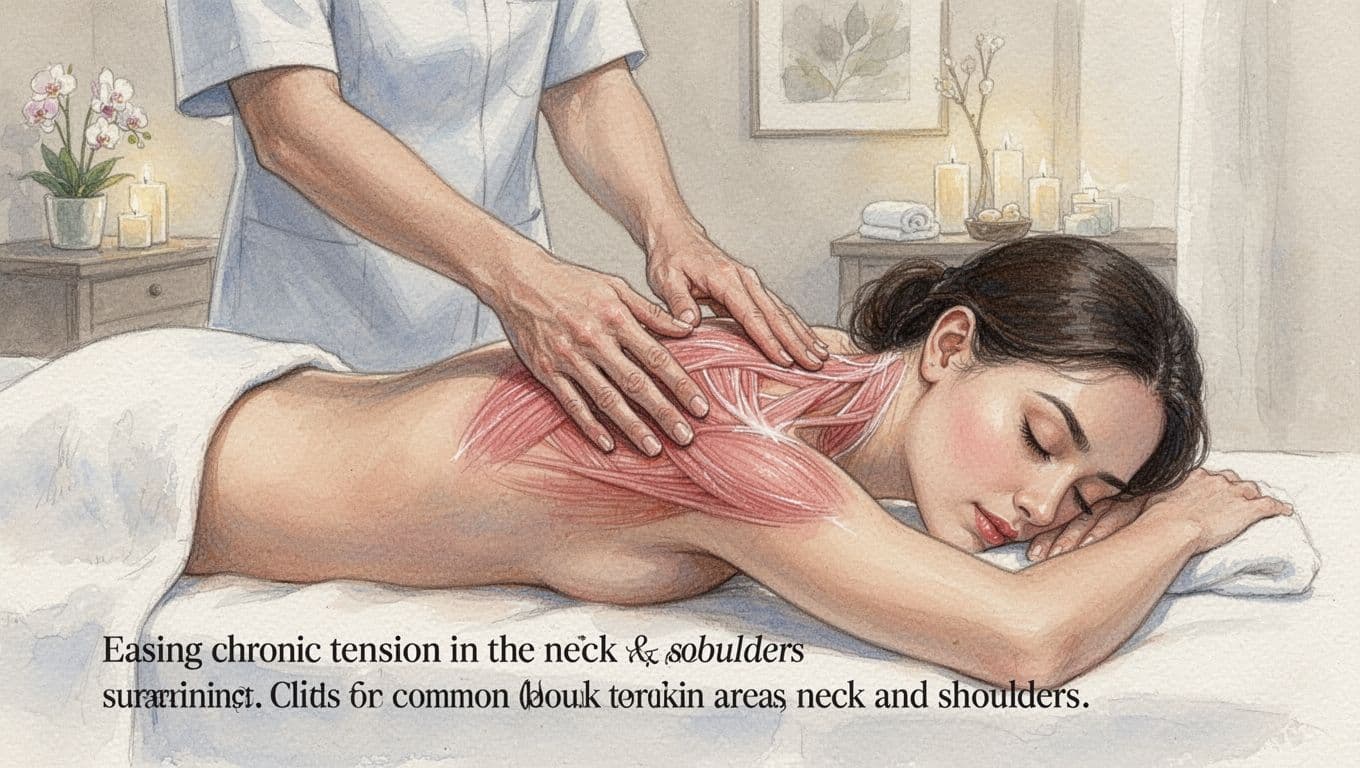
Modern life adds one more trouble spot, tech neck. Hours spent looking down at a phone or leaning toward a screen can overload the muscles at the base of the skull, upper traps, chest, and upper back. As a result, turning your head can feel restricted, and even a normal workday leaves you aching by evening.
Research suggests massage may help some types of neck pain in the short term, especially when paired with better movement habits. That matters because chronic tension rarely comes from one source. It’s usually a stack of small strains, poor posture, stress, weak support muscles, and repetition. Massage doesn’t erase all of that, but it can lower the noise enough for your body to reset.
A lot of people notice relief in these common areas:
- Neck and jaw line: Less pulling, less stiffness, and easier head turns.
- Shoulders and upper back: Fewer knots and less of that shrugged-up feeling.
- Lower back: Reduced guarding, especially after long sitting or standing.
Deep tissue work often helps most when your muscles feel stuck in “on” mode and need help switching off.
Helping active people recover after exercise
Hard training leaves traces. Sometimes it’s a healthy, worked-out soreness. Other times, your legs feel heavy, your calves stay tight, or your back and hips never quite bounce back before the next session. In those cases, Deep Tissue Massage may support recovery, as long as it is timed well and not done too aggressively on already irritated tissue.
One reason people book it after exercise is simple, they want to feel less beat up the next day. Massage may help reduce delayed onset muscle soreness, or at least make it feel more manageable. It can also encourage circulation, which supports the delivery of oxygen and nutrients to recovering muscles.
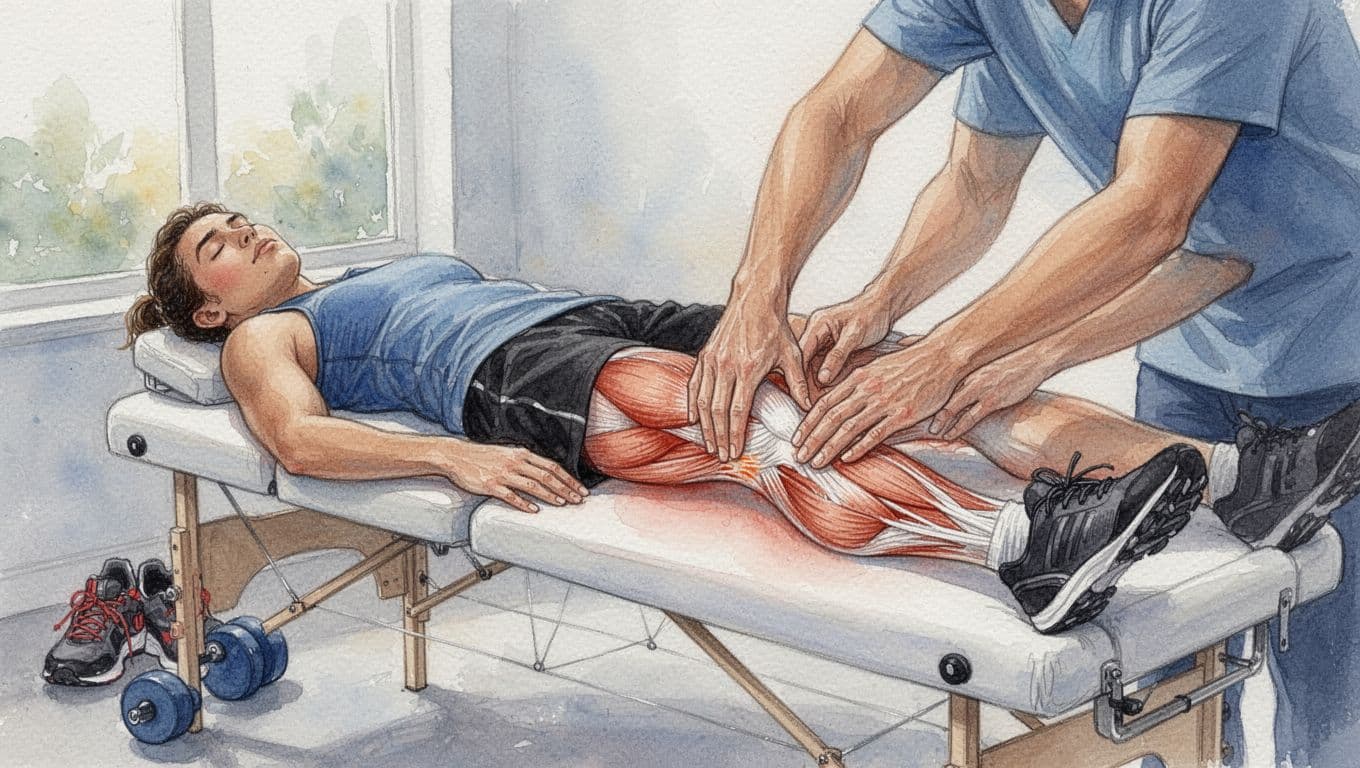
That said, more pressure is not always better after a hard workout. A muscle that is already inflamed may respond better to measured, thoughtful work than to very intense pressure. Think of it like wringing out a towel, you want enough force to release tension, not so much that you twist the fibers harder.
For active people, the realistic benefits often include:
- feeling looser after training
- less lingering tightness in overworked areas
- easier warm-ups for the next session
- a sense that tired muscles recover with less drag
Massage is not a shortcut past rest, sleep, hydration, or good programming. Still, it can be a helpful part of the recovery puzzle. If your training leaves one area repeatedly tight, such as calves, hamstrings, glutes, or shoulders, deep tissue work may help break that cycle.
Supporting better movement, posture, and flexibility
Pain changes how you move. When one area feels tight or tender, the body starts making small trade-offs. You twist less, bend differently, shorten your stride, or sit in a guarded way without even noticing. Over time, that can make your posture look worse and your movement feel older than it should.
As stiffness eases, movement often feels more natural again. Turning your head to check traffic gets easier. Bending to tie your shoes feels less awkward. Walking can feel smoother, and sitting for longer periods may come with less discomfort. Those changes sound small, but they can shape your whole day.
This is one of the most practical benefits of Deep Tissue Massage. It may not turn you into a gymnast overnight, but it can restore a bit of lost glide in tight tissue. That can support better range of motion, especially in areas that have felt bound up for a while.
A few changes people often notice include:
- Better head and shoulder mobility, especially after desk-heavy days.
- Less pulling through the hips and low back when bending or standing up.
- Easier walking and sitting, because the body is not guarding as much.
Posture also tends to improve when tight muscles stop tugging the body out of balance. Not perfect posture, not military posture, just a more relaxed, upright baseline. In other words, your body starts carrying itself with less effort.
The stress relief side that people often forget
Deep Tissue Massage has a strong, focused reputation, so many people think of it only as a fix for knots and pain. Yet there is another side to it. Even firm work can feel deeply calming when the pressure is steady, controlled, and matched to your body.
That calming effect matters because stress and muscle tension feed each other. When you’re stressed, your shoulders rise, your jaw tightens, and your breathing gets shallow. Then the tight body makes you feel even more wound up. A good massage can interrupt that loop.
Some people leave a deep tissue session feeling not only looser, but quieter inside. Their breathing slows. Their mind feels less crowded. Later that night, they may sleep better because the body is no longer buzzing with tension. The research on sleep is not as strong as it is for short-term pain relief, but many people do report better rest after treatment.
The key word is some. Not everyone feels sleepy or deeply relaxed afterward. A very intense session may leave you tender for a day or two instead. Still, when the treatment is well paced, deep tissue work can give both body and mind a chance to exhale.
If stress lives in your muscles, that relief is not a small bonus. It’s part of the point.
What a Deep Tissue Massage session feels like, from the first minute to the next day
If you’ve never had a Deep Tissue Massage, the unknown can make it sound harsher than it is. In real life, the experience usually unfolds in stages. It starts with a conversation, builds into slow and focused pressure, and then settles into that post-massage window where your body often feels both worked on and relieved.
Knowing the rhythm helps. When you understand what each part feels like, it’s easier to relax, speak up, and get more from the session.
What happens before the massage starts
Before any hands-on work begins, your therapist should ask a few clear questions. This is not small talk. It’s the map for the whole session.
They’ll usually ask where you feel pain, how long it’s been there, what makes it worse, and what you want from the treatment. Maybe your neck locks up after laptop work. Maybe your hips feel tight after running. Maybe you want relief, better movement, or just less of that heavy, braced feeling.

This is also the time to talk about pressure preferences, old injuries, surgery, headaches, nerve pain, or areas that feel extra tender. If something is sensitive, say so early. A good therapist would rather know too much than too little.
A few details matter more than people think:
- Pain points: Be specific about where it hurts and whether the pain is dull, sharp, or spreading.
- Health history: Mention injuries, inflammation, medications, skin issues, or recent strains.
- Pressure comfort: Deep tissue should feel intentional, not punishing.
- Your goal: Relief, range of motion, recovery, or less tension all call for a slightly different approach.
If you’re nervous, say that too. It helps set the tone. Deep tissue works best when you treat it like teamwork, not a test of how much pain you can take.
What the massage feels like during treatment
Once the session begins, the first few minutes often feel more grounding than intense. Your therapist may start lighter to warm the tissue, then gradually sink into deeper layers. That slow build matters because muscles rarely loosen when they’re rushed.
As the pressure increases, you may feel a strong, steady sensation on tight spots. Often, it feels like someone is ironing a wrinkle out of thick fabric, slowly, carefully, and with purpose. The strokes are usually slower than a relaxation massage, and the therapist may stay on one area longer than you expect.
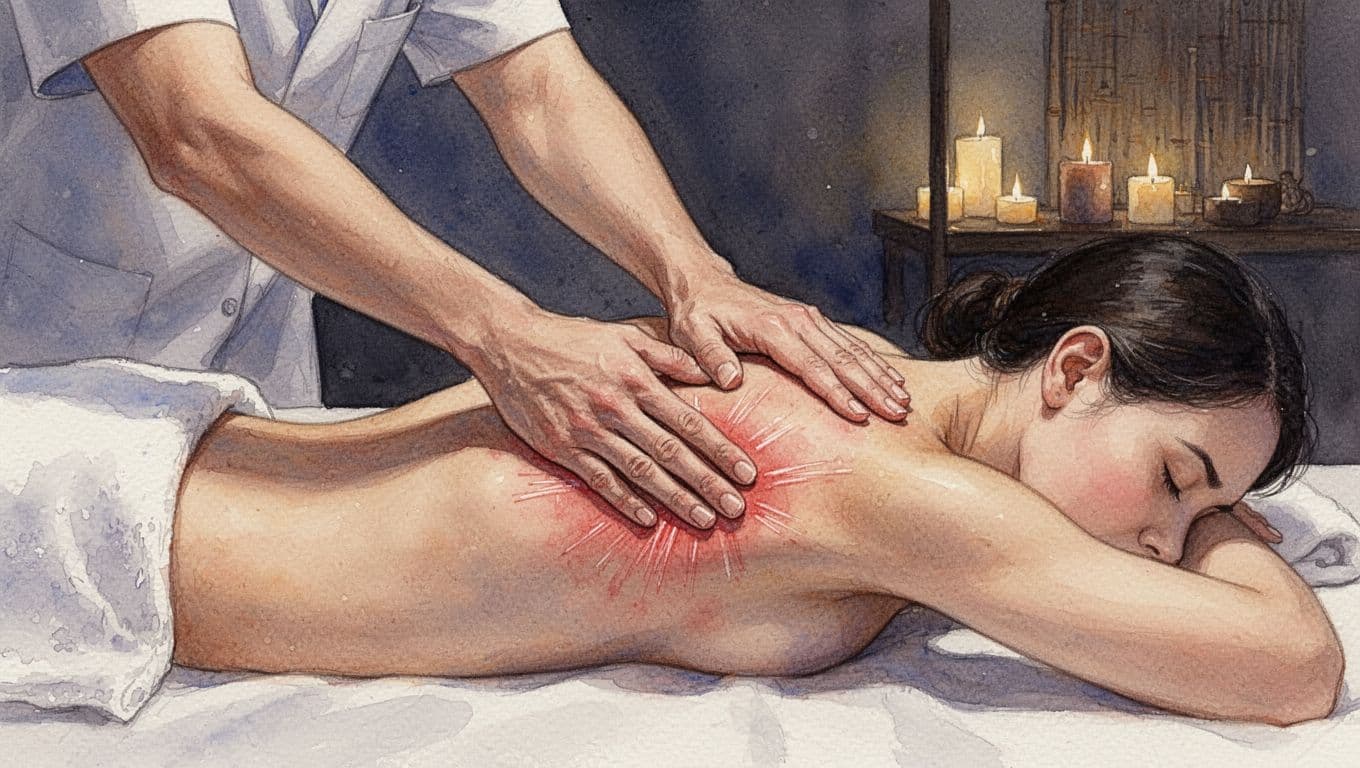
The key thing to know is the difference between productive discomfort and pain that is too much. Productive discomfort feels strong, tender, and focused, but still manageable. You can breathe through it. You may even feel that strange but welcome “that’s the spot” sensation.
Pain that is too much feels different. Your body tenses, your breath shortens, your face clenches, or you want to pull away. That’s the line to respect.
Deep Tissue Massage should challenge a tight muscle, not make your whole body brace against the table.
During treatment, problem areas often get the most attention. That could mean the shoulders, lower back, glutes, calves, or hips. Your therapist may use hands, thumbs, forearms, or elbows, always with the goal of reaching stubborn tension without overwhelming the tissue.
Try to help your body meet the work halfway. Breathe slowly. Let your shoulders drop. Unclench your jaw. Even a small effort to relax can make the work feel smoother and more effective.
What you may feel after the session
Right after a Deep Tissue Massage, many people feel looser, lighter, and a little quiet inside. At the same time, some areas may feel tender, as if you’ve just finished a solid workout. Both reactions can happen together.
That mild soreness is common, especially if the therapist spent time on long-held knots or dense, overworked muscles. You might also feel thirsty, warm, sleepy, or pleasantly heavy, like your body finally exhaled. By the next day, some people feel more open in the neck, back, or hips, while others notice a little stiffness before the full relief settles in.

A simple aftercare routine can make that next-day window easier:
- Drink water because your body often feels better when you’re well hydrated.
- Move gently with an easy walk or light stretching, not a hard workout.
- Rest if you need it, especially if you feel sleepy or deeply relaxed.
- Pay attention to how the treated areas respond over the next 24 hours.
Most of the time, mild tenderness fades quickly. However, sharp pain, bruising, or soreness that feels excessive is a sign to check in with the therapist.
How many sessions people usually need
One session can absolutely help. You may walk out with less tension, easier movement, and a clearer sense of where your body has been holding stress. Still, if your muscles have been tight for months, one appointment usually starts the process rather than finishes it.
Long-term tension tends to behave like a habit. It builds from desk posture, hard training, poor sleep, repetitive work, stress, or all of the above. Because of that, Deep Tissue Massage often works best as a series, especially in the beginning.
Some people feel a big shift after one or two sessions. Others need a more regular rhythm before the body stops snapping back to its old pattern. That doesn’t mean endless appointments. It means giving tight tissue time to learn a new baseline.
For better results, massage usually pairs best with simple daily changes, such as:
- standing and sitting with less strain
- moving more often during the day
- stretching gently where you always get tight
- managing stress before it settles into your shoulders and jaw
Think of massage as loosening the knot, while your daily habits keep it from tying itself again. That’s when the relief tends to last longer, and your body starts to feel more like home.
Who should try Deep Tissue Massage, and when to be careful
Deep Tissue Massage can feel like the right key for a stubborn lock, but it isn’t for every body on every day. Some people get real relief from slow, focused pressure. Others do better with a lighter touch, at least for now.
The best fit usually comes down to your goal, your current health, and how your body responds to pressure. If you want help with old tension patterns, it may be a strong option. If your body feels inflamed, fragile, or newly injured, a gentler path often makes more sense.
People who often benefit most from deep tissue work
If your muscles feel like they never fully clock out, Deep Tissue Massage may be worth trying. This style often helps people whose tension has settled in and made itself at home. It tends to suit bodies that feel dense, guarded, stiff, or full of recurring knots.
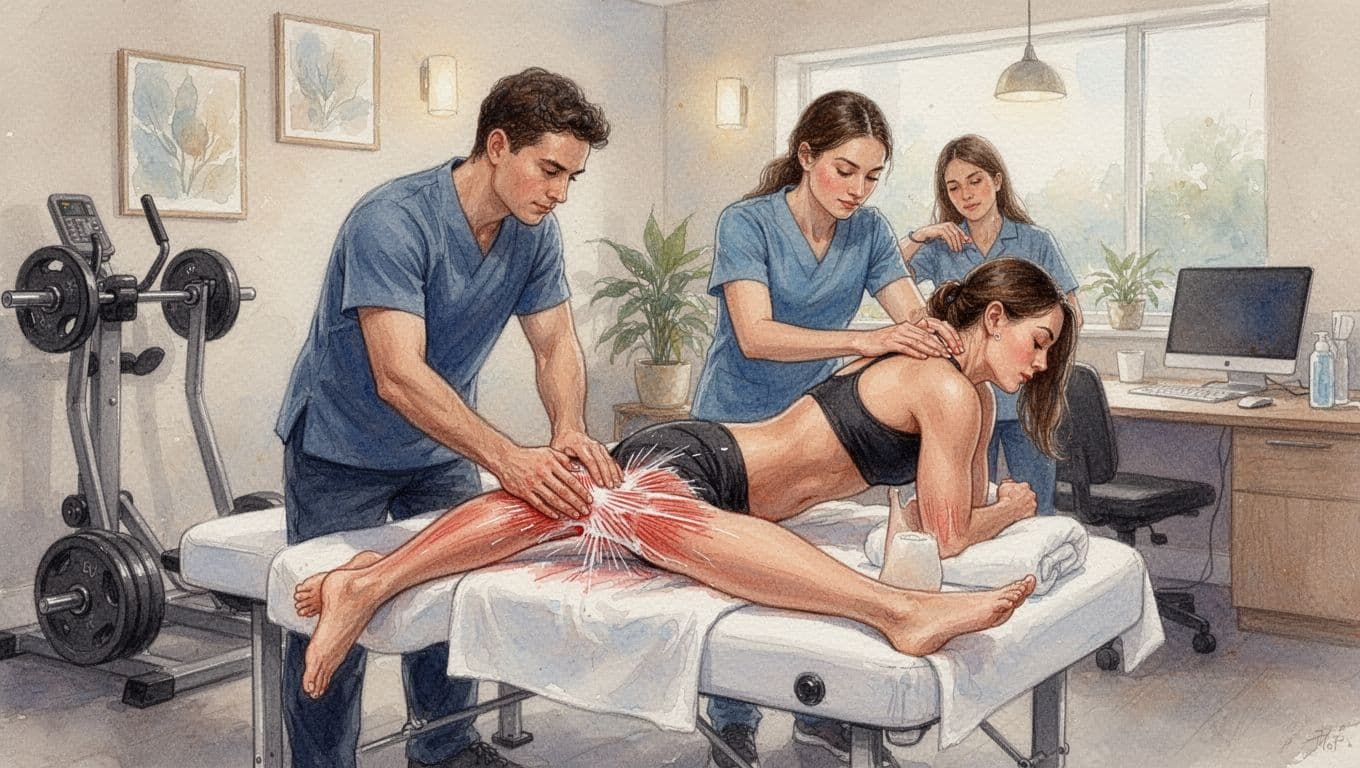
Active people and gym-goers often benefit because training loads the same muscle groups again and again. Legs feel heavy, hips tighten, and shoulders stay switched on. In that case, deep work can help calm overworked areas and make recovery feel less sticky.
People with desk jobs are another common match. Hours at a screen can pull the neck forward, round the shoulders, and leave the upper back feeling like a clenched fist. A focused session can help unwind that pattern, especially when the same spots keep flaring up by late afternoon.
It also suits those with long-standing muscle tightness. Maybe your lower back always feels braced. Maybe your calves stay tight no matter how much you stretch. When tension has been building for months, not days, Deep Tissue Massage often feels more useful than a purely relaxing treatment.
Many readers book it for recurring knots or stiffness that keep returning in the same places. Common examples include:
- Shoulders and neck after long workdays
- Hips and glutes from sitting or training
- Calves and hamstrings after running or lifting
- Lower back from repetitive strain or poor posture habits
The common thread is simple. If your body feels stuck rather than just tired, deep tissue work may offer more targeted relief.
Deep Tissue Massage often helps most when the problem is not stress alone, but stress that has settled into the muscles.
When Deep Tissue Massage may not be the right choice
Firm pressure is helpful in the right setting. Still, there are times when it can be too much, too soon, or simply the wrong tool. Deep Tissue Massage should not be treated like a one-size-fits-all fix.
Recent injuries are a clear reason to slow down. If you have a fresh strain, sprain, bruise, fracture, or recent surgery, deep work can irritate tissue that is still trying to heal. In those cases, rest, medical guidance, or a gentler approach usually comes first.
Caution also matters if there is blood clot risk, a clotting disorder, or use of blood-thinning medicine. Strong pressure may not be safe. The same goes for severe osteoporosis, because fragile bones need care, not force.
Some skin issues can also make deep massage a poor choice for the moment. Open wounds, skin infections, rashes, burns, or inflamed areas should be left alone until they have healed. If the skin is sending a clear warning, it’s smart to listen.
You should also check with a doctor first if you have certain uncontrolled medical conditions, such as:
- Uncontrolled high blood pressure
- Serious heart-related concerns
- Active fever or illness
- Cancer care needs
- Pregnancy concerns, unless you’ve been cleared for massage
This is not about fear. It’s about timing and judgment. A good rule is simple: if your body is dealing with a major health issue, acute pain, or anything your therapist should know about, ask your doctor first and tell your therapist before the session starts.
How to know if your body needs deep tissue or a gentler approach
A lot of people assume deeper is better. Often, it isn’t. The smarter choice depends on what you want from the session and how your body feels that day.
If your goal is pain relief from stubborn tightness, Deep Tissue Massage may be the better fit. The same goes for limited mobility, old knots, and muscles that feel ropey or resistant. When tissue has been holding on for a long time, slow firm work can help it let go.
If your goal is post-workout recovery, the answer depends on your soreness. Mild tightness may respond well to deep tissue. However, if the area feels hot, inflamed, or sharply sore, lighter work may calm the body better. Think of it this way, a sore muscle is like a sunburned shoulder. It needs care, not a wrestling match.
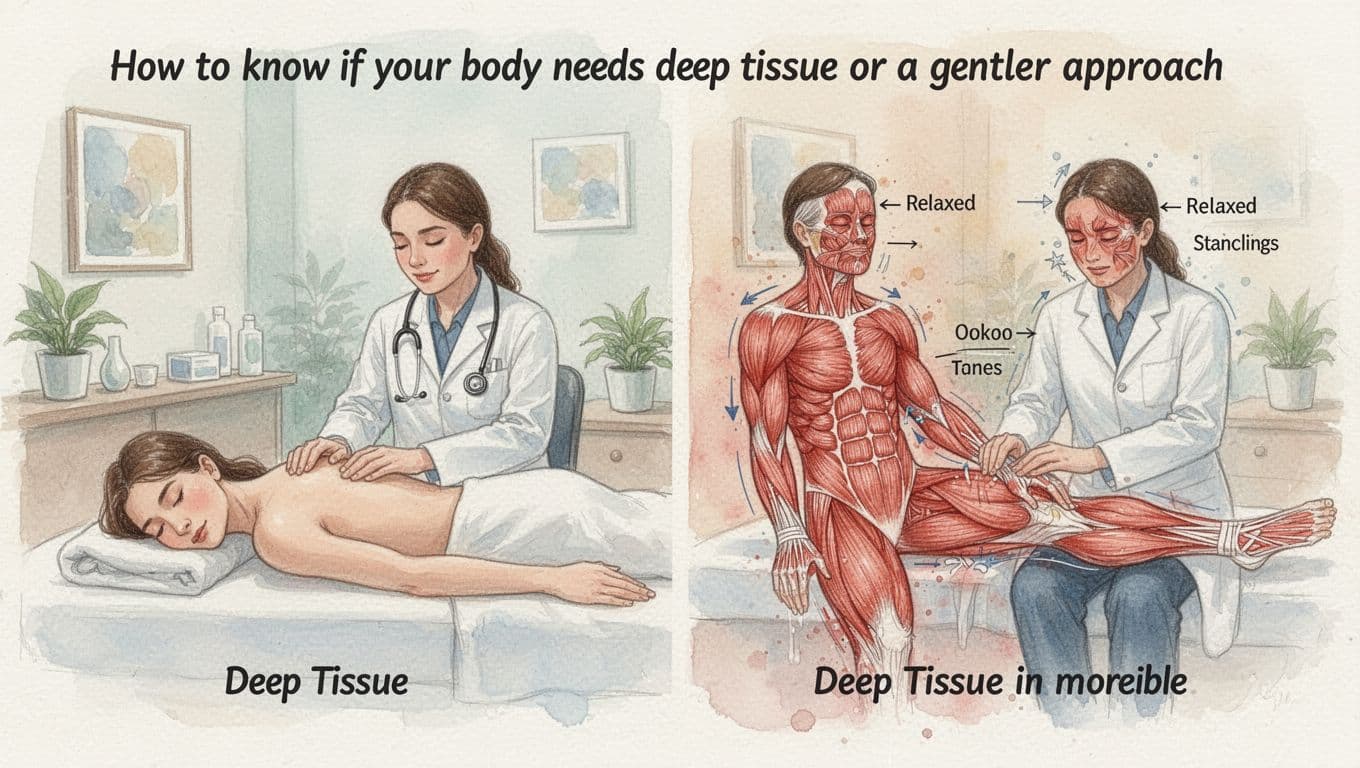
For simple relaxation, stress relief, or first-time massage, a gentler style is often the wiser starting point. Swedish massage or light therapeutic work can still ease tension, improve circulation, and help you breathe easier without pushing the body too hard.
A quick way to think about it is this:
| Your main goal | Deep tissue may fit if… | A gentler approach may fit if… |
|---|---|---|
| Pain relief | The pain feels muscular, old, and tied to tightness | The pain is new, sharp, or unexplained |
| Mobility | You feel stiff and restricted in familiar areas | You feel tender, inflamed, or easily sore |
| Recovery | Muscles feel heavy and tight after activity | The area feels freshly strained or irritated |
| Relaxation | You like focused pressure and targeted work | You mainly want calm, comfort, and nervous system rest |
The best choice should leave your body feeling worked with, not overpowered. If firm pressure makes you clench, hold your breath, or tense up more, that’s useful information. A lighter massage is not a lesser massage. Sometimes it’s the exact thing your body has been asking for.
How to get better results from every Deep Tissue Massage
A great Deep Tissue Massage doesn’t start when you lie on the table. It starts earlier, with the way you prepare, the way you speak up, and the way you care for your body after the session ends. Think of it like tuning an instrument before a performance. Small adjustments can change the whole sound.
If you already love deep work, this is the part that helps it land better and last longer. A few simple habits can turn a decent session into one that brings real relief.
What to do before your appointment
Come in hydrated, not rushed and run dry. Muscles tend to respond better when your body has enough water, so drink well throughout the day instead of trying to catch up at the last minute.
Also, skip the heavy meal right before your session. A light meal a couple of hours earlier usually feels better, especially when you’re lying face down or getting focused work around the low back and hips. If your stomach feels too full, it’s hard to relax.

Clothes matter more than most people expect. Wear something loose and easy, because tight waistbands, stiff denim, or fussy layers can make you feel boxed in before the massage even begins. Comfort helps your nervous system settle.
Just as important, arrive with a clear picture of your pain or stiffness. Don’t stop at, “My back hurts.” Be more exact. Is it your right shoulder blade, the base of your neck, or that band across the lower back after long sitting? The clearer your map, the better the therapist can follow it.
A quick mental check before you go helps:
- Where does it feel tight?
- When do you notice it most?
- Does the pain stay put, or travel?
- What result do you want today, relief, movement, or recovery?
That kind of detail gives the session a target, not just a general direction.
How to talk to your therapist so the pressure feels right
Deep tissue works best when you treat it like a conversation, not a silent endurance test. If the pressure feels too light, say so. If it feels sharp, pinchy, or like your body is bracing, say that too. Honest feedback helps the therapist adjust before your muscles start fighting back.
A simple pressure scale can make this easier. Many people find it helpful to describe pressure from 1 to 10. For most of a Deep Tissue Massage, a 6 or 7 is often enough. Strong, focused, and very present, yes, but still something you can breathe through. If you shoot up to a 9 and start clenching your jaw, the body often stops listening.

Before the session starts, mention the things that shape how your body responds:
- Problem spots that always flare up
- Past injuries such as strains, disc issues, or old shoulder pain
- Areas that feel tender or guarded
- Your comfort with certain tools or methods, like elbows, forearms, or long holds
During the session, keep speaking in plain words. “That spot is right,” “can you ease up a little,” or “that pressure feels good but close to my limit” tells your therapist far more than silence ever will.
The best pressure is not the deepest pressure. It’s the pressure your body can actually soften into.
When you communicate well, the massage feels less like something being done to you and more like skilled work being done with you.
Simple habits that help the massage last longer
A strong session can loosen the knot, but your daily habits decide whether it ties itself again. That’s why the hours after your massage matter almost as much as the treatment itself.
Start with gentle movement. A short walk, easy stretching, or light range-of-motion work helps your body hold onto that new sense of space. You don’t need a hard workout. In fact, going too hard too soon can stir the same tension right back up.
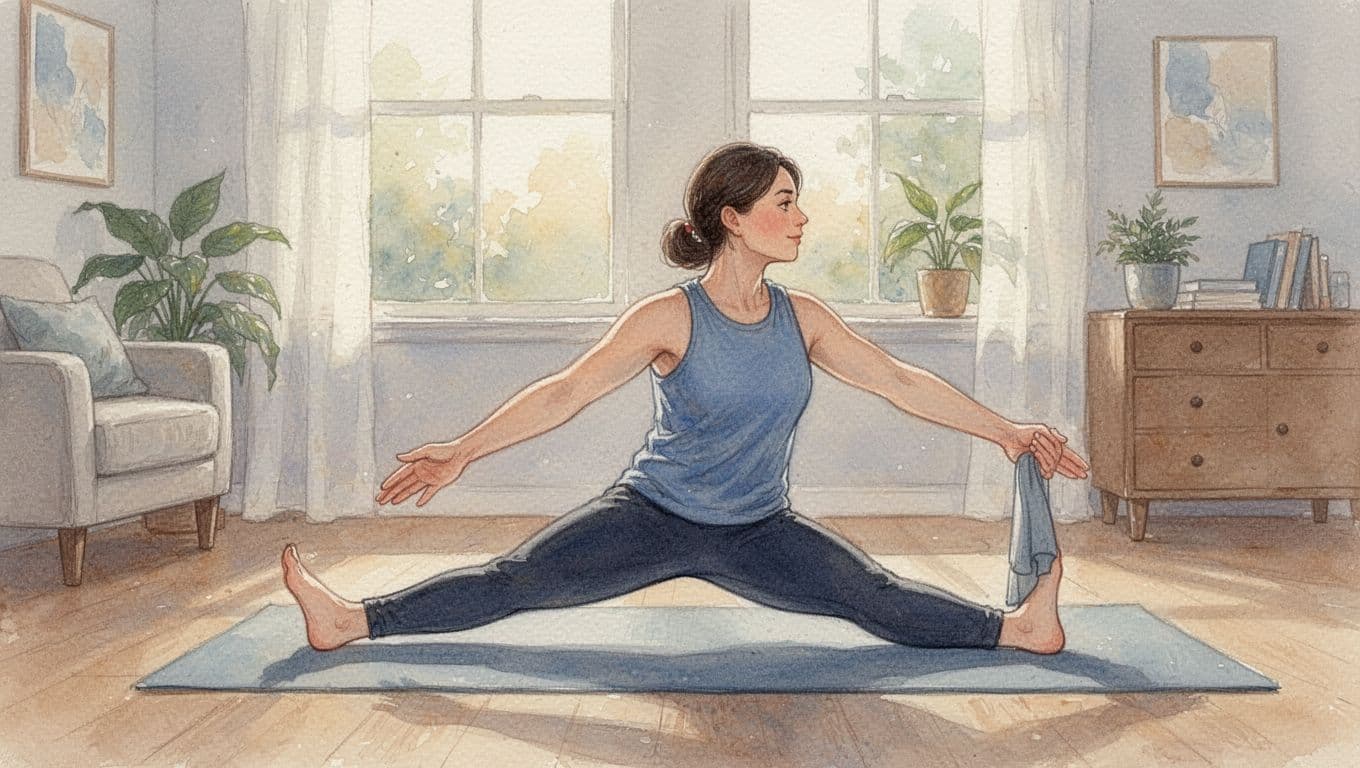
Good posture also keeps the gains from fading fast. That doesn’t mean sitting stiff like a statue. It means noticing the habits that pull you back into strain, such as jutting your chin forward, locking your knees, or folding into one hip while you stand. Small corrections, repeated often, beat one dramatic fix.
Then there are the quiet helpers people skip:
- Movement breaks during long desk hours
- Sleep, because tired muscles recover poorly
- Stress care, since tension loves to return to the jaw, neck, and shoulders
- Smart training recovery, especially after lifting, running, or long shifts on your feet
If you exercise, match your effort to how your body feels. Deep tissue can leave muscles feeling worked, almost like the day after training. So give yourself a little room. Ease back in, hydrate, and let recovery do its job.
In short, better results come from three things working together: prepare well, speak clearly, and recover on purpose. Drink water, avoid arriving overfed or tense, tell your therapist exactly what you feel, and then protect the results with stretching, movement, rest, and better body habits. That’s how one good massage turns into lasting relief.
Conclusion
Deep Tissue Massage earns its place when tension has settled in deep, pain keeps circling back, or movement feels smaller than it should. At its best, it helps loosen stubborn muscle holding, ease familiar aches, and give the body more room to move, breathe, and rest. Still, the value isn’t in how much pressure you can tolerate, but in how skillfully that pressure is used.
That point matters most. A good Deep Tissue Massage should feel focused and effective, not like something you have to survive. With the right therapist, clear feedback, and steady pressure, the body often stops guarding and starts to let go. That’s where real relief begins, not in forcing pain, but in helping tight tissue soften on its own terms.
So if your neck stays hard as a cable, your shoulders live near your ears, or your low back always feels braced, this may be the right massage for you. On the other hand, if your body feels inflamed, newly injured, or easily overwhelmed, a gentler approach may serve you better for now.
The clearest takeaway is simple: Deep Tissue Massage works best for stubborn tightness, pain, and movement limits when it’s matched to your body and guided by good communication. Choose it for release, not punishment, and you’ll know quickly whether it feels like the kind of help your body has been asking for.