
Aromatherapy Massage Benefits, Oils, and What to Expect in 2026
Warm oil glides over the skin, gentle hands ease the tight spots, and a soft herbal scent lingers in the air. Bit by bit, your shoulders drop, your breathing slows, and the noise of the day starts to fade. That’s the pull of Aromatherapy Massage, a treatment that feels comforting in the moment and can stay with you long after the session ends.
At its heart, Aromatherapy Massage blends skilled touch with carefully chosen essential oils. The massage helps release tension, while the scent of the oils can support relaxation, mood, physical comfort, and better rest. Because both touch and smell affect how the body responds to stress, the experience often feels deeper than a standard massage alone.
In 2026, this kind of massage is still popular for a reason. People want calm, better sleep, and simple ways to feel more at ease, so spas often use custom blends with oils like lavender, eucalyptus, peppermint, clary sage, neroli, rose geranium, and frankincense. Still, the right oil isn’t just about what smells nice, because each one brings a different feel to the session.
This guide will walk you through the benefits, how Aromatherapy Massage works, what essential oils actually do, and what a session usually feels like from start to finish. You’ll also get a clear look at safety, including dilution, patch testing, and when certain oils may not be the best fit.
A good aromatherapy massage doesn’t just smell pleasant, it should feel calm, safe, and suited to your body.
Whether you already love massage or you’re thinking about booking your first session, it helps to know what to expect. That way, you can choose your oils with more confidence, settle in more fully, and get more from every soothing, scent-filled minute.
What Aromatherapy Massage Is and Why People Keep Coming Back to It
Aromatherapy Massage is a massage treatment that blends skilled touch with carefully diluted essential oils. In plain terms, it takes a familiar relaxation massage and gives it a clear purpose through scent. The oil is not chosen only because it smells nice. It’s selected to support a goal, such as feeling calm, breathing more easily, or easing muscle discomfort.
That mix is what keeps people coming back. A standard relaxation massage can quiet the body, but Aromatherapy Massage often feels more personal. It wraps around you in two ways at once, through the hands on your muscles and the scent in the air, like warmth and music arriving together.
How massage and essential oils work together
Massage works through the body first. Slow, steady pressure helps soften tight muscles, loosen stiff spots, and invite the nervous system to settle. As the hands move, blood flow gets a gentle boost, and that can leave the body feeling warmer, lighter, and less braced.
At the same time, the aroma starts doing its own quiet work. When you breathe in essential oils, scent molecules travel through the nose and send signals to parts of the brain linked to memory, mood, and emotion. That’s why a smell can shift how a session feels within seconds. Lavender may feel soft and settling. Eucalyptus can seem fresh and open. Peppermint often feels crisp and clear.
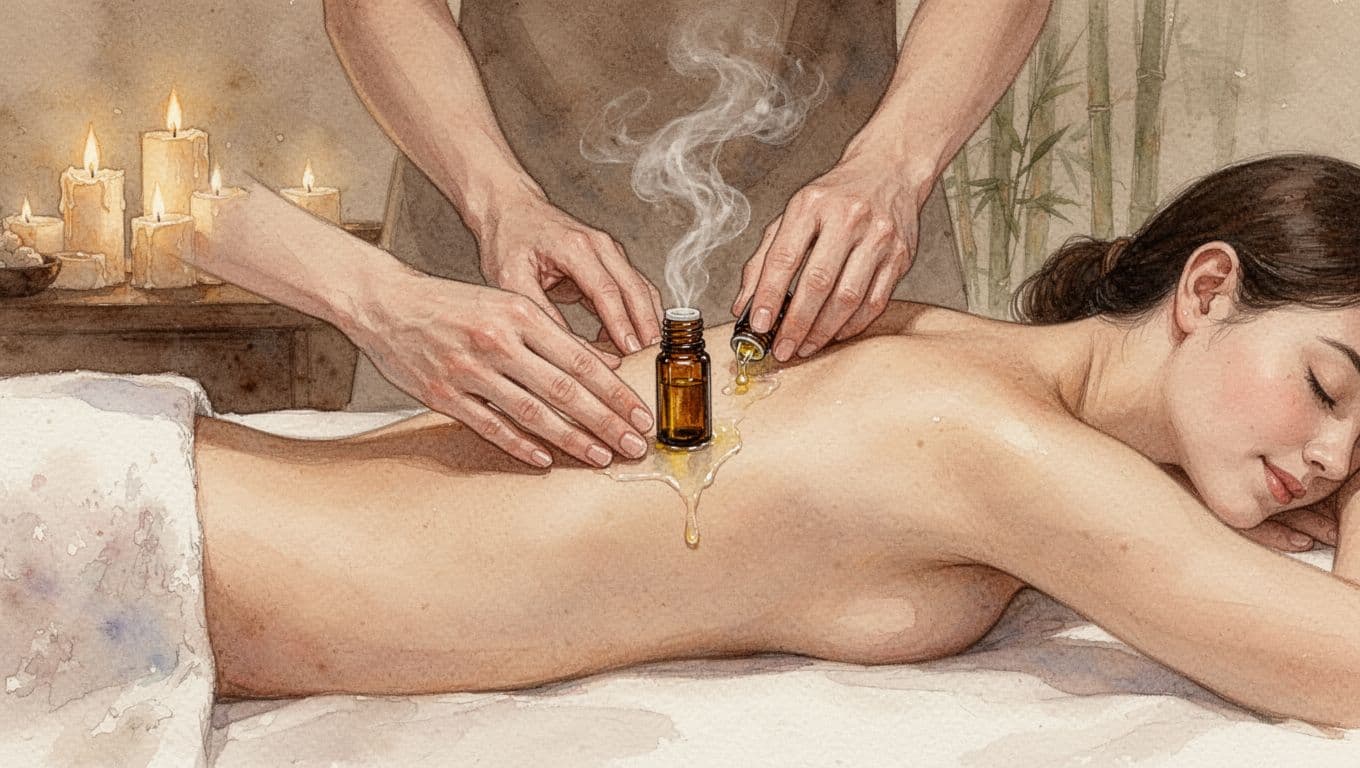
Put those two parts together, and the experience often lands deeper. The body is already letting go because of touch. Then the scent adds an emotional tone to the room, almost like changing the light in a space. Because both systems respond at once, many people feel that Aromatherapy Massage reaches beyond simple muscle relief.
Here’s the easiest way to picture it:
- Massage speaks to the body: It eases tension, supports circulation, and helps you relax physically.
- Aroma speaks to the mind: It can shape mood, encourage calm, and make the session feel more grounded.
- Together they create a fuller response: You don’t just feel less tight, you often feel more settled as a whole.
This is also where Aromatherapy Massage differs from a standard relaxation massage. In a basic session, the lotion or oil mainly helps the therapist glide smoothly over the skin. In an aromatherapy session, the oil blend becomes part of the treatment itself. Each scent is chosen with care, and that choice can shift the mood from sleepy and soothing to clear and refreshing.
Aromatherapy Massage works best when touch and scent support the same goal, not compete for attention.
Because of that, the treatment can feel less generic and more tuned to you. If your body is tense and your mind won’t stop racing, the right blend can make the room feel like an exhale.
A short look at the roots of aromatherapy massage
Aromatherapy Massage may feel modern, but the idea behind it is old. Long before bottled blends lined spa shelves, people used fragrant plants, resins, and oils in daily life, healing rituals, and body care. Ancient Egypt is well known for scented oils and balms. In China and India, plant-based preparations also played a part in traditional wellness practices.
Those early uses were not always “aromatherapy massage” in the way we define it now. Still, the link between touch, plants, and well-being has deep roots. People noticed that certain oils soothed the skin, scented the body, and shaped the mood of a room. That simple human instinct never disappeared.
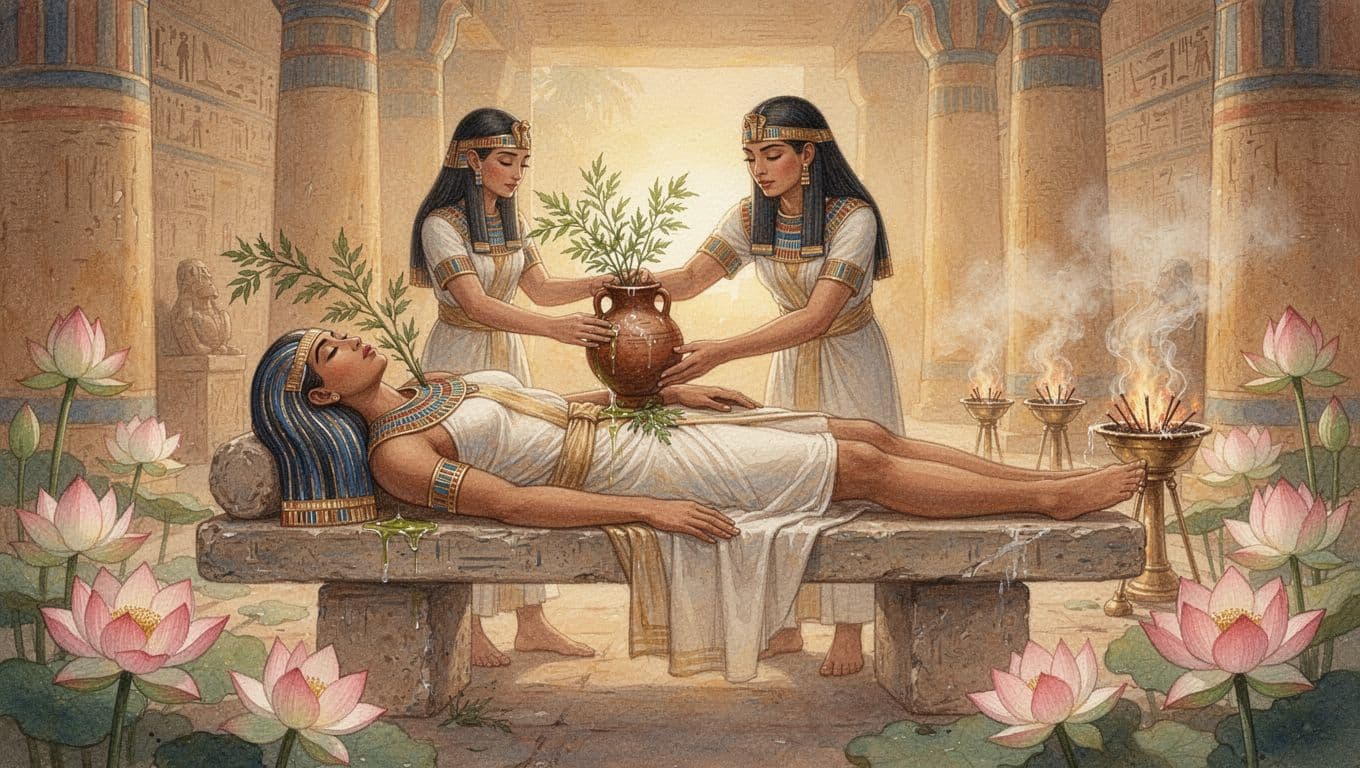
The modern rise of aromatherapy took shape in the 20th century, when essential oils gained more formal attention in beauty, wellness, and massage practice. Over time, spas and therapists began pairing classic massage methods with targeted oil blends. That shift turned scent from a pleasant extra into a more intentional part of treatment.
Today, Aromatherapy Massage carries both stories at once. It feels fresh and current, yet it still rests on a very old idea, that plants and touch can work side by side to comfort the body and calm the mind.
Why it matters in modern wellness
In 2026, people want more from a spa visit than a nice hour on the table. They want something that feels personal, calming, and whole-body. That’s one reason Aromatherapy Massage continues to grow in popularity. It fits how many people care for themselves now, with more attention to stress, sleep, mood, and daily overload.
Modern life is full of noise. Screens stay on late, schedules run tight, and the body often carries that strain like a coat it forgot how to take off. Aromatherapy Massage answers that in a simple way. It slows the pace, narrows the focus, and gives the senses something softer to hold.
Recent wellness trends also lean toward tailored care. People aren’t only booking a massage, they want a session that matches how they feel that day. One person may want lavender and clary sage to settle down before bed. Another may lean toward eucalyptus for a more open, refreshing feel. That kind of choice makes the treatment feel less routine and more like it belongs to you.
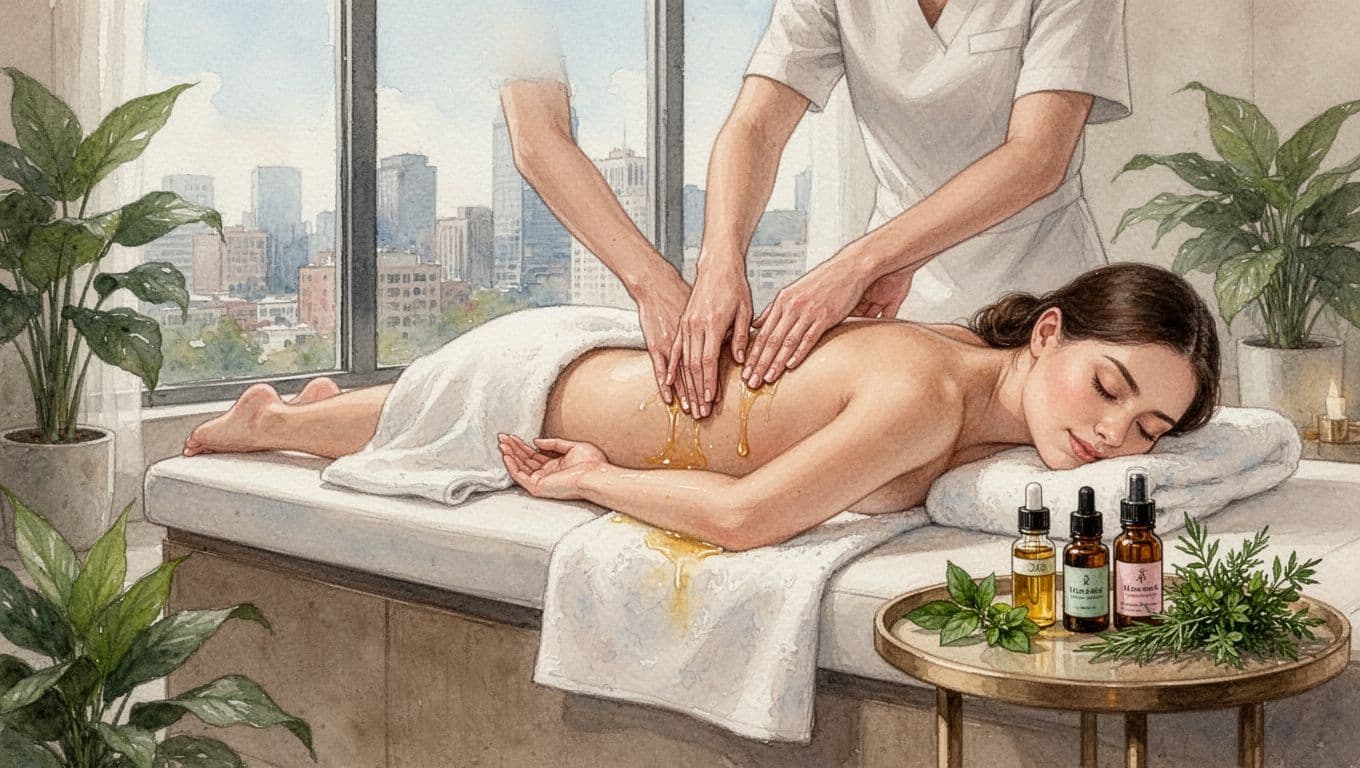
A few reasons it still matters stand out:
- Stress relief: Many people use it to step out of a constant state of tension.
- Sleep support: Calming oils and slow massage can help the body shift toward rest.
- Mindful self-care: The treatment creates a clear pause, not just another task on a wellness checklist.
- Personalized spa visits: Custom blends make the session feel more thoughtful and specific.
At the same time, wellness has become more high-tech. Sleep trackers, recovery tools, and smart devices now fill the space around self-care. Those tools can help, but they don’t replace human touch. A skilled therapist can feel tension that a screen can’t read. Warm hands, quiet pressure, and a scent that lands just right still have a power that feels immediate and real.
That’s why Aromatherapy Massage holds its place so well in 2026. It doesn’t fight modern wellness. It balances it. In a world full of data, it brings you back to sensation. In a routine shaped by alerts and apps, it offers something older and steadier, a chance to breathe, soften, and feel at home in your body again.
The Main Benefits of Aromatherapy Massage for Body and Mind
The appeal of Aromatherapy Massage is easy to understand once you’ve felt it. This is not only about nice-smelling oils or a few quiet minutes on a massage table. It is about how touch, scent, and stillness work together to help you feel more settled, more comfortable, and a little more like yourself again.
Many people book this kind of massage for the reasons that matter most in daily life: stress relief, better sleep, mood support, and muscle comfort. Those benefits are not magic, and they are not a cure for everything. Still, when the right oil blend meets slow, skilled massage, the shift can feel surprisingly real, both in the body and in the mind.
Stress relief that you can feel during the session
One of the biggest reasons people choose Aromatherapy Massage is simple: they want the noise in their body to turn down. Often, that change starts before the session is even halfway done. The room is quiet, the scent is soft, and the strokes stay steady. Bit by bit, your shoulders stop hovering near your ears, your jaw loosens, and your breathing gets deeper without effort.
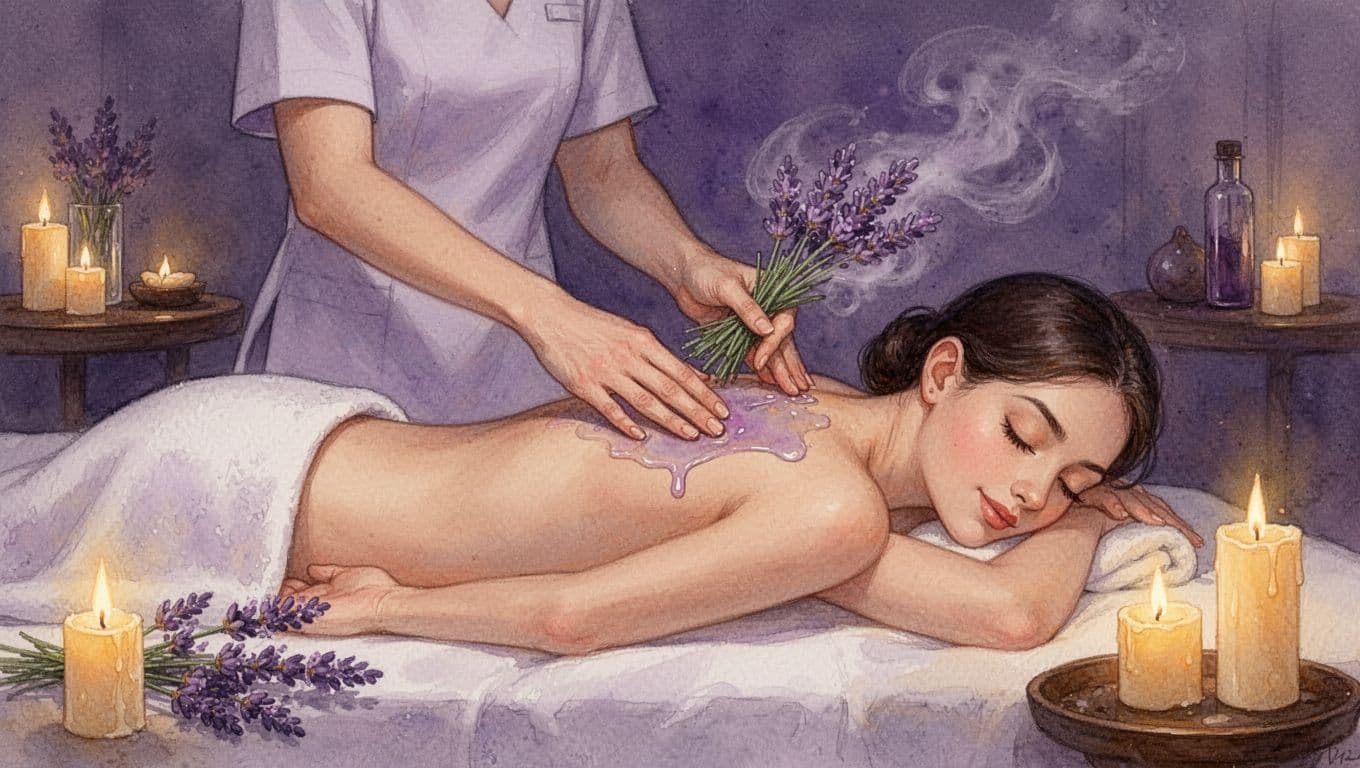
That feeling is not just in your imagination. Massage itself can help the nervous system shift out of high alert. Then scent adds another layer. Calming oils, such as lavender, neroli, or frankincense, are often chosen because they create a gentler emotional tone. In other words, the body gets a cue from touch, while the mind gets a cue from smell.
Current wellness knowledge also points to a simple body response behind that sense of relief. As you relax, the body may lower stress hormones such as cortisol. At the same time, feel-good brain chemicals linked with comfort and calm can rise. You do not need to know the science in detail to notice the effect. You just feel less braced.
For many people, the relief shows up in familiar ways:
- Lower physical tension: tight shoulders, stiff necks, and clenched hands begin to soften
- A quieter mind: thoughts may still be there, but they stop pushing so hard
- Emotional ease: you feel less crowded inside, more open, and less reactive
That is why Aromatherapy Massage can feel like pressing mute on the day. Not because life suddenly changes, but because your system gets a rare chance to slow down. If you’ve been carrying stress like a backpack full of stones, even one session can make the load feel lighter.
When stress sits in both the mind and the muscles, a treatment that speaks to both often feels stronger.
Better sleep, brighter mood, and a calmer headspace
Some people are not in pain at all, they are just wired, tired, and mentally full. They lie down at night and their body is in bed, but their thoughts are still at work. Others wake up drained, push through a busy week, and feel dull by the weekend. This is where Aromatherapy Massage often shines.
The treatment creates a bridge between tension and rest. Slow massage strokes can help your body stop acting as if it needs to stay on guard. Meanwhile, soothing scents may help signal that it is safe to unwind. Lavender is the classic example, but other oils with a soft floral, resin, or herb scent can also support a more restful mood.
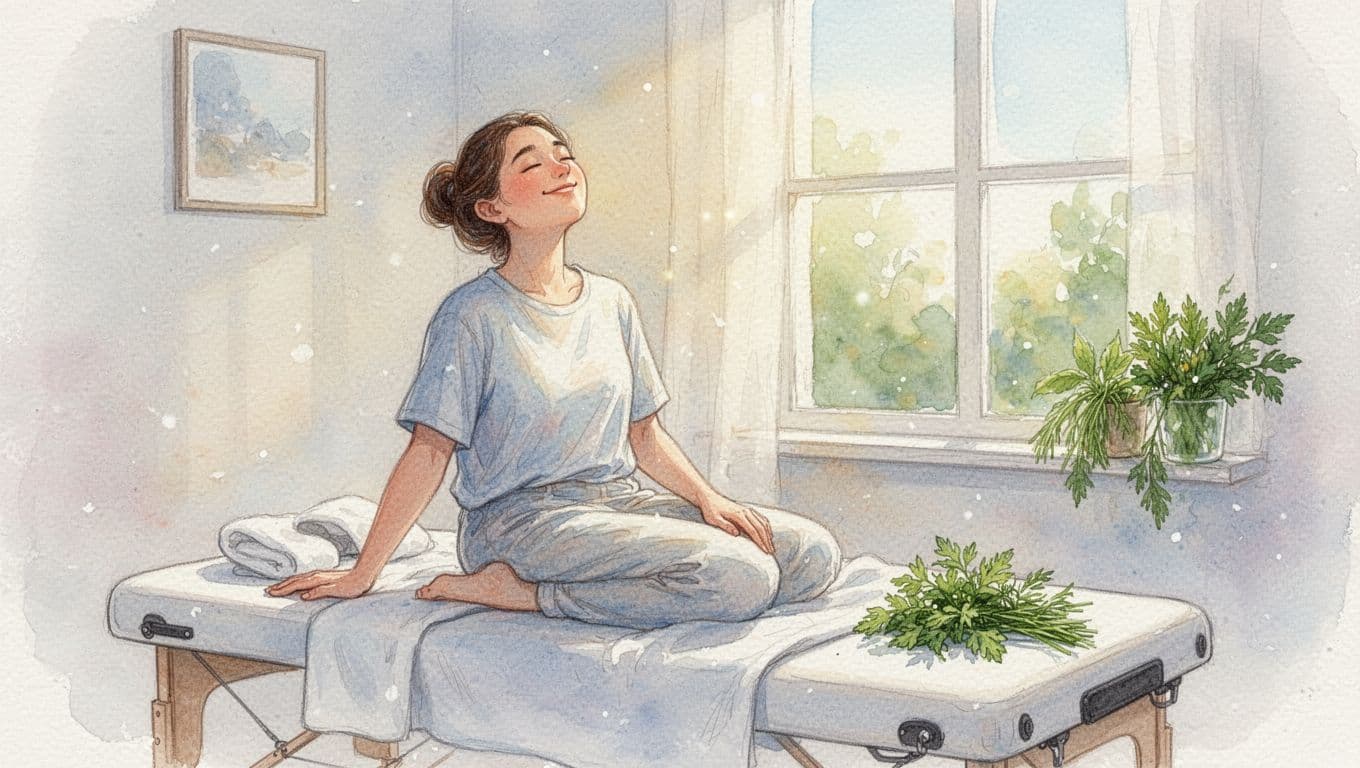
This does not mean one session will fix every rough night. Still, many people notice a pattern. After a good massage, they fall asleep more easily, stay asleep more comfortably, or wake up feeling less foggy. That makes sense, because better rest often starts with letting the body slow down first.
The mood side matters too. When your muscles relax and your breathing deepens, your mind often follows. You may leave the room feeling lighter, less snappy, and more able to handle the rest of the day. That shift can be small, but small shifts count. A calmer headspace changes how you answer emails, how you handle traffic, and how patient you feel at home.
Here are a few real-life moments where this benefit stands out:
- After a packed workweek: your thoughts are racing, your sleep has been uneven, and you need help stepping off the gas.
- After several poor nights: you feel tired but still restless, almost like your body forgot how to settle.
- During mental burnout: nothing feels dramatic, yet everything feels heavy.
In each case, Aromatherapy Massage gives you a structured pause. Not screen time, not scrolling, not another task disguised as self-care. Just quiet, scent, touch, and time. For many people, that pause is what makes sleep and mood feel possible again.
Muscle comfort, circulation, and post-workout recovery
Although the emotional side gets a lot of attention, Aromatherapy Massage has a very real physical appeal too. If your body feels tight, overworked, or stiff from daily life, massage can bring welcome relief. The hands of the therapist help warm the tissue, work through tense areas, and encourage muscles to let go.
That can feel especially good after long desk hours, travel, workouts, or simply sleeping in an awkward position. Tight calves, heavy legs, sore shoulders, and lower back stiffness are all common reasons people book a session. Even when the pressure is not deep, steady massage can help the body feel less stuck and more fluid.
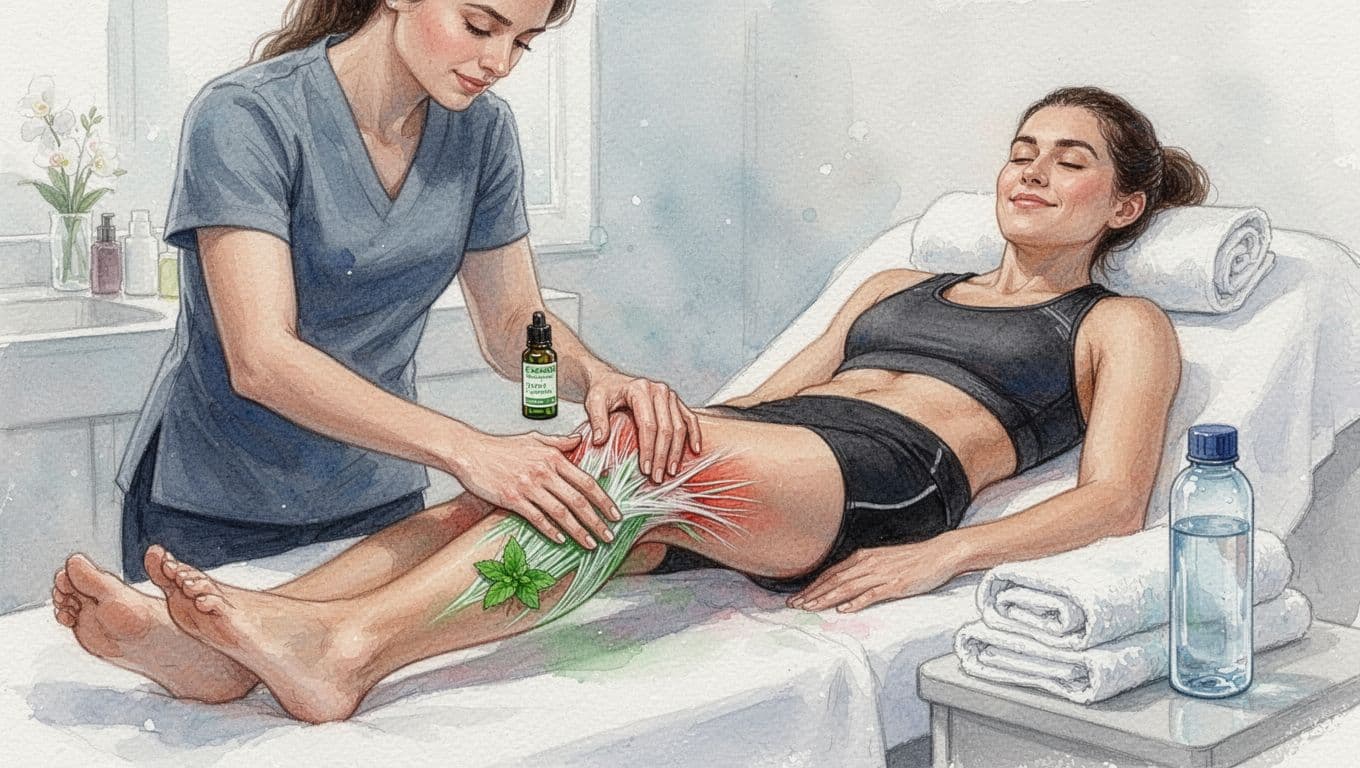
Circulation is part of that picture. Massage supports blood flow to the areas being worked on, which can leave the body feeling warmer, looser, and refreshed. That does not mean dramatic claims or instant repair. It means your muscles often feel better cared for, and that matters when you are trying to recover after effort or shake off a heavy, sluggish feeling.
The oils chosen in these sessions can shape that experience as well. Some are picked for a cool, fresh, or soothing feel, while others add warmth or calm. For example:
- Peppermint often feels crisp and refreshing
- Eucalyptus is often chosen for an open, clean sensation
- Lavender tends to bring a softer, more settling tone
Those oils do not replace good recovery habits. They do, however, make the treatment feel more targeted. If you come in after a workout, a long run, or a week of tense shoulders, the right blend can make the body comfort feel more complete.
This is why people often describe the result in practical terms. They say their legs feel lighter. Their back feels less tight. Their body moves more freely. That kind of relief is not flashy, but it is useful. And when your body feels better, your mind usually feels less burdened too.
Why the full sensory experience makes the benefit feel stronger
Aromatherapy Massage often stays in your memory because it does not work through one channel alone. It reaches you through scent, touch, quiet space, breathing, and pace. Each part may seem small on its own. Together, they shape the whole outcome.
Think of it like lowering the lights in a busy room. The furniture has not changed, yet the entire mood shifts. In the same way, the room matters. A soft scent in the air, a calm therapist, low noise, warm oil, and an unhurried rhythm all tell the body the same thing: you can let go now.
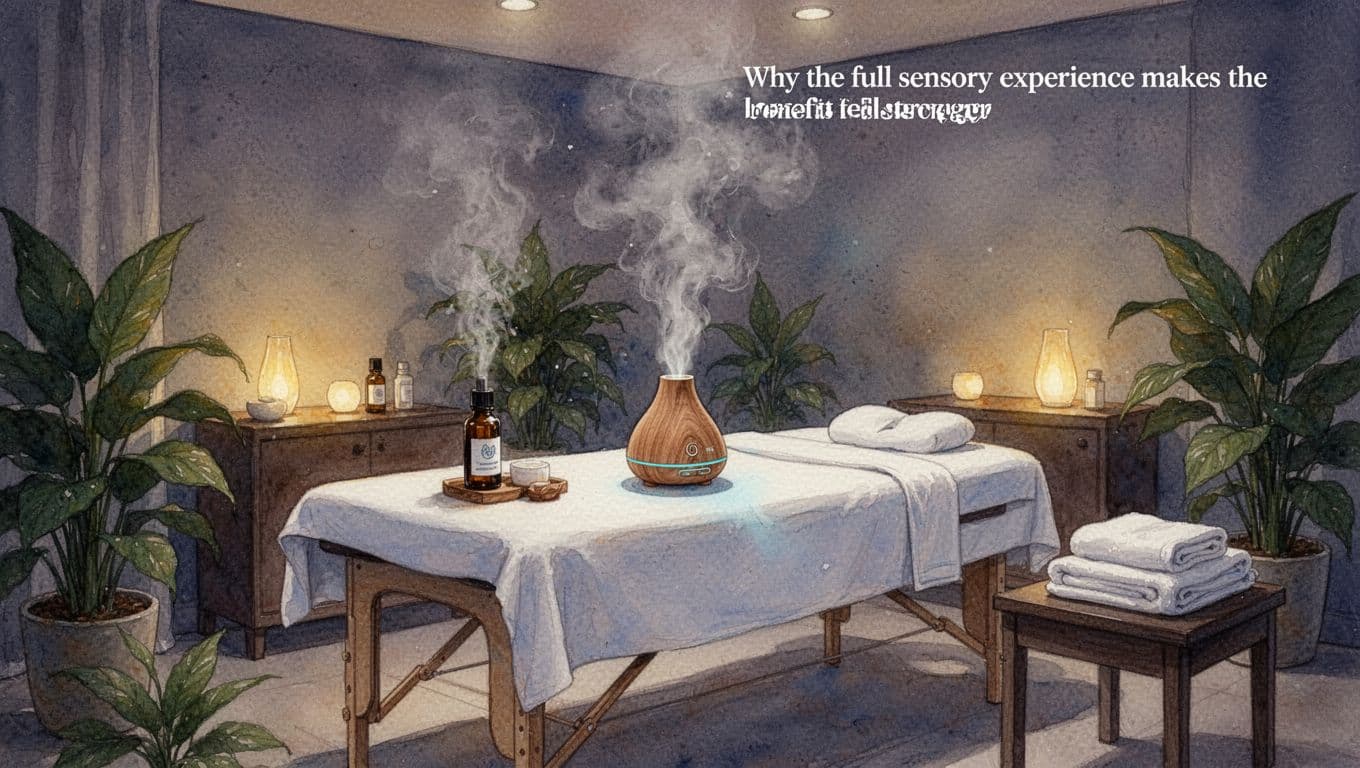
The touch does one job. The scent does another. Breathing ties them together. As the session slows you down, your breaths often grow longer and quieter. Then the rhythm of the massage keeps reinforcing that slower state. Because of this, the treatment can feel deeper than a standard rubdown done in a rushed setting.
Several details strengthen that effect:
- Scent shapes mood quickly and can make the room feel emotionally safe
- Touch eases held tension and gives the mind something steady to focus on
- Quiet removes some of the usual mental clutter
- Breath helps the body settle further with every exhale
- Pace tells your nervous system there is no need to hurry
Most importantly, all of this helps explain why the benefits often feel bigger than the parts alone. A pleasant smell by itself is nice. A massage by itself is great. Yet when they happen together in the right setting, the body tends to respond more fully. That is why many people remember not just that they felt better, but how they felt better, grounded, soothed, and deeply at ease.
In the end, this full sensory quality is part of what makes Aromatherapy Massage so compelling. It is not only a treatment. It feels like stepping into a softer version of time, where the body can unclench, the mind can quiet down, and calm does not have to be chased.
Choosing the Right Essential Oils for the Result You Want
In Aromatherapy Massage, the oil choice shapes the whole mood of the session. One blend can feel like a soft blanket at the end of a long day, while another can feel crisp and bright, like opening a window in a stuffy room. That is why the best oil is not always the most famous one. It is the one that fits what you need right now.
Most people are not looking for chemistry terms or a long list of plant names. They want to know something simpler: Will this help me relax, feel clearer, or loosen up a heavy body? A good therapist thinks the same way. They match the oil to your goal, your scent comfort, and your skin, so the session feels personal from the start.
Lavender for calm, rest, and gentle stress support
Lavender stays near the top of the list because it is easy to live with. The scent is soft, familiar, and rarely feels too sharp. For many people, it brings an instant sense of ease, like exhaling without noticing you were holding your breath.
That gentle feel is a big reason it remains one of the most requested oils in Aromatherapy Massage. Lavender is often chosen for evening appointments, quiet end-of-week sessions, or treatments meant to support rest. If your mind has been racing all day, it helps set a calmer tone without asking much from you.
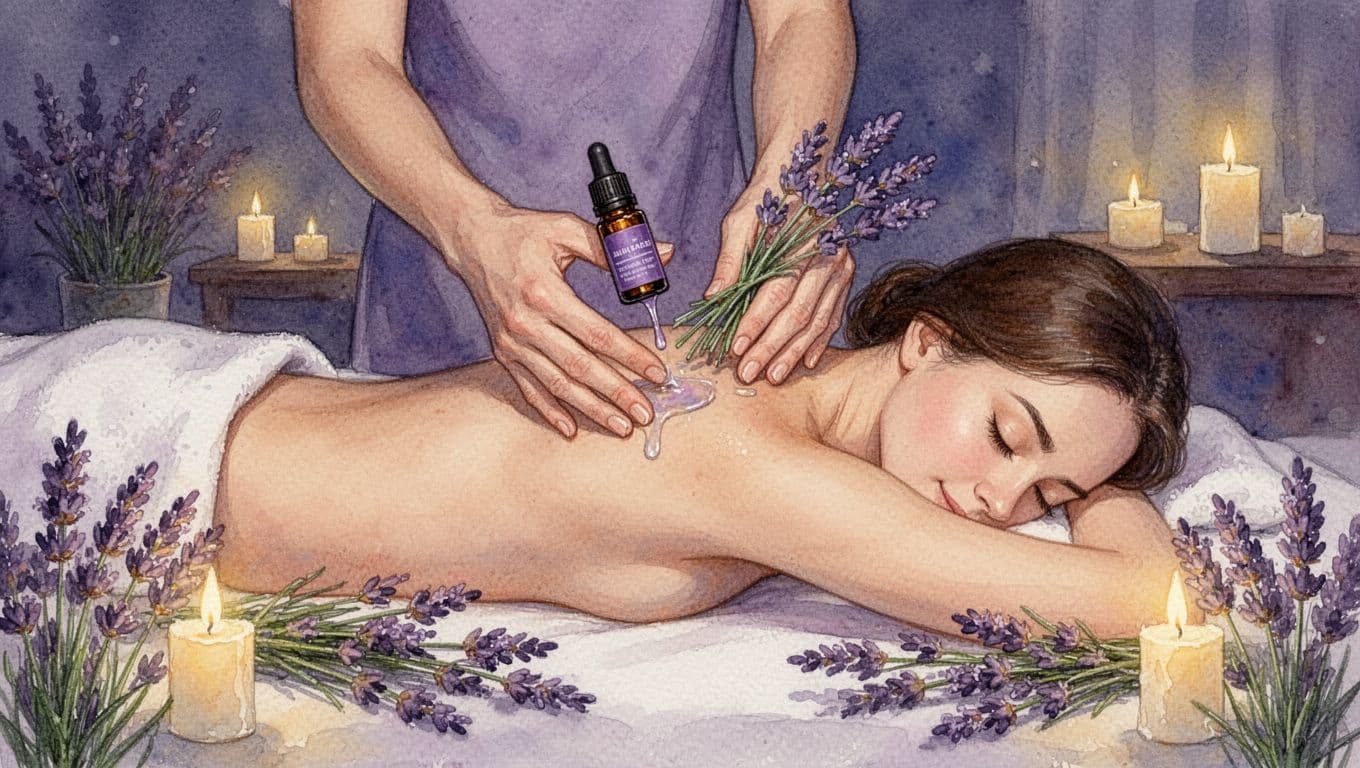
Lavender also works well because it pairs neatly with the pace of a relaxation massage. Slow strokes, warm oil, dim light, and that quiet floral-herbal scent all pull in the same direction. As a result, the session can feel more settled from the first few minutes.
People often choose lavender when they want support with:
- Calm after stress: It suits days when your shoulders feel stuck in place.
- Evening wind-down: It fits late appointments before a restful night.
- Gentle emotional ease: It helps create a softer mental space.
It is not dramatic, and that is part of its appeal. Lavender does not try to steal the room. Instead, it smooths the edges. For someone who feels overstimulated, that quiet quality can be exactly right.
Lavender remains a classic because it feels comforting, familiar, and easy to receive.
Eucalyptus and peppermint for a fresh, clear, cooling feel
Some sessions call for calm. Others call for a reset. That is where eucalyptus and peppermint often come in. These oils are popular when a person wants to feel refreshed, more open, or less weighed down in the body.
The sensation is easy to recognize. Peppermint often feels crisp and cooling, especially in the legs, feet, neck, or shoulders. Eucalyptus tends to feel clean and airy, with a scent that many people connect to a clear head and a lighter chest. Together, they can make a massage feel more awake and less sleepy.
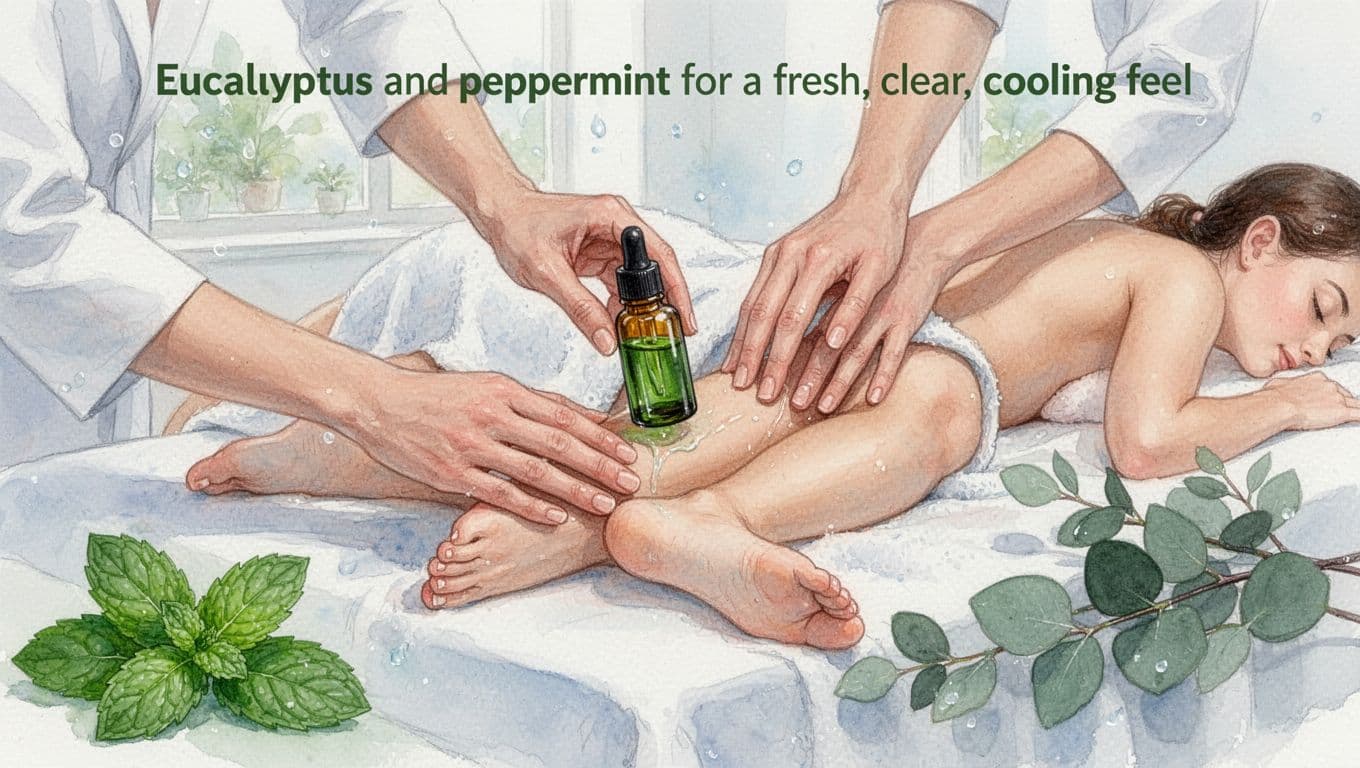
This kind of blend is often chosen after travel, workouts, long desk hours, or heavy days when the body feels dull. The cooling touch can make tired legs feel lighter. Meanwhile, the fresh scent can help the mind feel less foggy. In Aromatherapy Massage, that can shift the whole experience from deeply sleepy to bright and renewing.
Still, strong scents are not for everyone. Peppermint, in particular, can feel intense if you prefer mild aromas or if you are very scent-sensitive. Eucalyptus can also feel bold in a small room. That is why a skilled therapist checks in first, rather than assuming fresh always means better.
A simple way to think about these oils is this:
- Peppermint often suits tired muscles and a clear, cool finish.
- Eucalyptus often suits a clean, open, refreshed feeling.
- Together, they work best when you want lift, not lull.
If lavender feels like settling into a pillow, eucalyptus and peppermint feel more like stepping into cool morning air. Both have their place. The right one depends on the kind of session your body is asking for.
How custom blends are created for different goals
The strongest trend in Aromatherapy Massage is not one miracle oil. It is personalization. More therapists now build a session around the person in front of them, not a one-size-fits-all menu. That usually starts with a few simple questions.
A therapist may ask how you have been sleeping, where you feel sore, whether stress is sitting in your neck or stomach, and if you want to leave feeling calm or recharged. Those answers matter more than what is popular online. A trendy oil means very little if the scent does not suit you or the goal misses the mark.
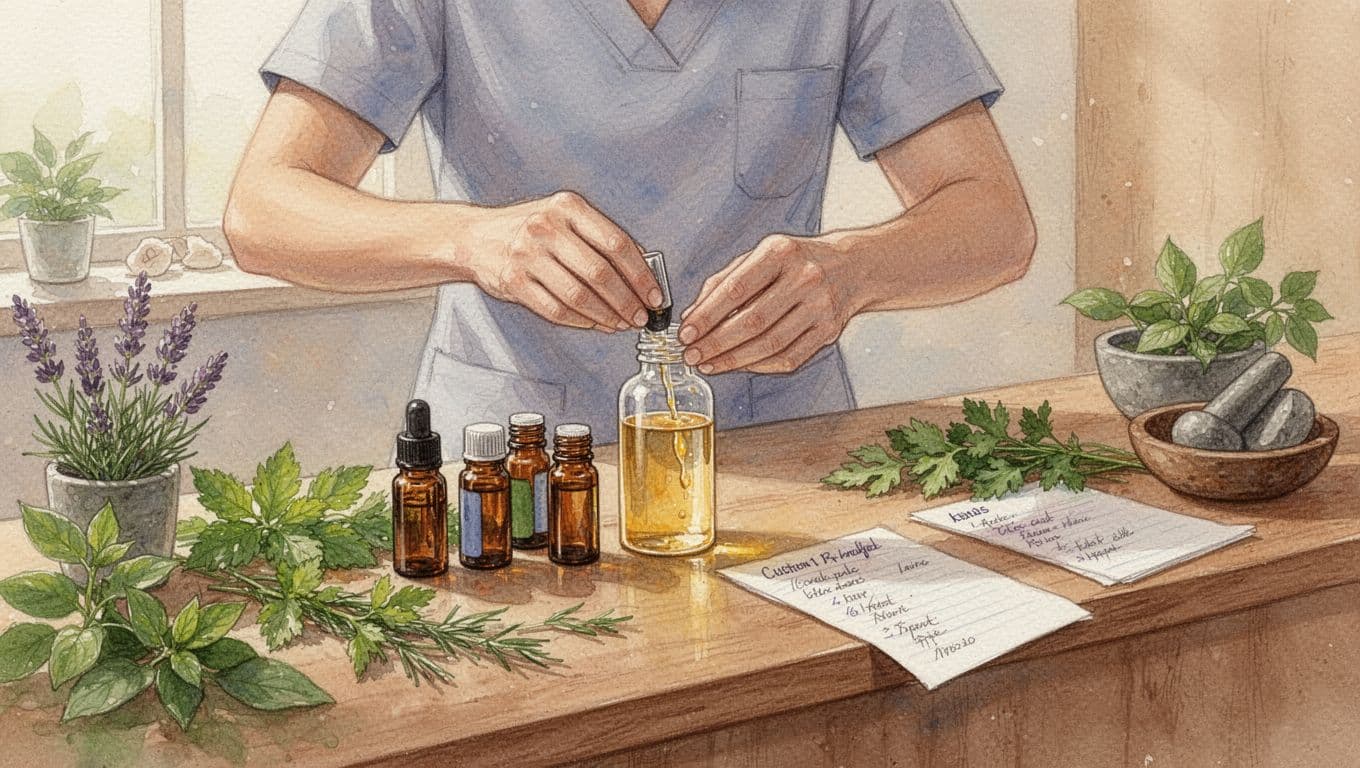
Sometimes one oil is enough. Lavender alone may suit a quiet evening treatment perfectly. In other cases, a small blend works better because it creates a fuller feel. For example, someone with stress and poor sleep may prefer a soft blend that calms without feeling too flat. Another person with sore legs and low energy may want something fresher and more lively.
The process is usually simple and people-focused:
- Stress level: A therapist may lean toward softer, more grounding oils.
- Soreness or heaviness: They may choose a cooler or more refreshing blend.
- Energy and mood: Some oils feel settling, while others feel brighter.
- Sleep support: Evening sessions often call for gentler, quieter scents.
This is why the best blend depends on you, not the trend cycle. One person loves floral notes. Another wants something clean and herb-like. One body feels comforted by warmth. Another wants cooling relief. A thoughtful therapist listens for those clues and builds from there.
Custom blending also keeps the session balanced. Too many oils can muddy the scent and make the experience feel crowded. A small blend, used with purpose, tends to feel cleaner and more elegant. Like seasoning in good food, a little done well goes much further than too much.
Why quality, dilution, and skin safety matter
Essential oils may smell beautiful, but they are not gentle by default. They are concentrated plant extracts, and that means they need respect. In Aromatherapy Massage, they should not go straight onto the skin without proper dilution.
That is where carrier oils come in. A carrier oil, such as sweet almond, jojoba, grapeseed, or coconut-based massage oil, helps spread the essential oil safely across the skin. It also gives the therapist the slip needed for smooth massage strokes. Without that buffer, even a popular oil can feel irritating.
A careful therapist thinks about safety before the bottle ever opens. They consider skin sensitivity, scent tolerance, and the area being worked on. They also use measured amounts, because more is not better here. A blend should support the massage, not overwhelm the skin or the senses.
A few basics matter most:
- Proper dilution: Essential oils need a carrier oil before skin contact.
- Patch testing: This can help spot irritation before a full treatment.
- Quality products: Clean, well-chosen oils reduce the chance of a poor experience.
- Trained hands: Knowledge matters as much as the oil itself.
Patch testing is especially useful if you have reactive skin, allergies, or you are trying a new oil for the first time. It is a small step, but it can save you from a very uncomfortable session. In the same way, thoughtful product choice matters. Low-quality oils or overly perfumed blends can turn what should feel soothing into something harsh and distracting.
Most importantly, trained hands make all the difference. A skilled therapist knows when to keep a blend simple, when to lighten it, and when to avoid a certain oil altogether. That judgment is part of what makes a professional Aromatherapy Massage feel safe, calm, and worth coming back for.
What to Expect Before, During, and After an Aromatherapy Massage
A first Aromatherapy Massage often feels easier once you can picture the flow. From the moment you arrive to the quiet stretch afterward, the session is usually simple, calm, and very guided. You don’t need to know the right words or do anything special. A good therapist will walk you through it.
What matters most is clear communication. When you share how you feel, what scents you enjoy, and what your body needs, the whole treatment feels more personal, like a key cut for the right lock.
How to prepare so you get the most from your session
A little prep can make a big difference. Try to arrive 10 to 15 minutes early so you can settle in, use the restroom, and avoid starting the session in a rush. If you walk in breathless, your body often stays that way for longer.

It’s also smart to keep things light before your appointment. A heavy meal right beforehand can leave you feeling too full or uneasy on the table. Instead, have a light snack or meal earlier, drink some water, and skip strong perfume so it doesn’t clash with the oils.
Before the massage starts, tell your therapist about a few basics:
- Scents you love or dislike
- Any allergies or skin reactions
- Asthma, migraines, or scent sensitivity
- Areas that feel sore, tight, or off-limits
Wear comfortable clothes that are easy to change out of and slip back into after the session. Soft, loose clothing feels best when your body is warm and relaxed. Think of it like setting the stage before music begins, the quieter the start, the better the experience can land.
What happens in the room, from scent choice to massage style
Most sessions begin with a short consultation. Your therapist may ask how you’ve been feeling, what result you want, and whether you prefer a floral, herbal, citrus, or fresh scent. Then they choose an essential oil or blend and dilute it in a carrier oil for skin safety.
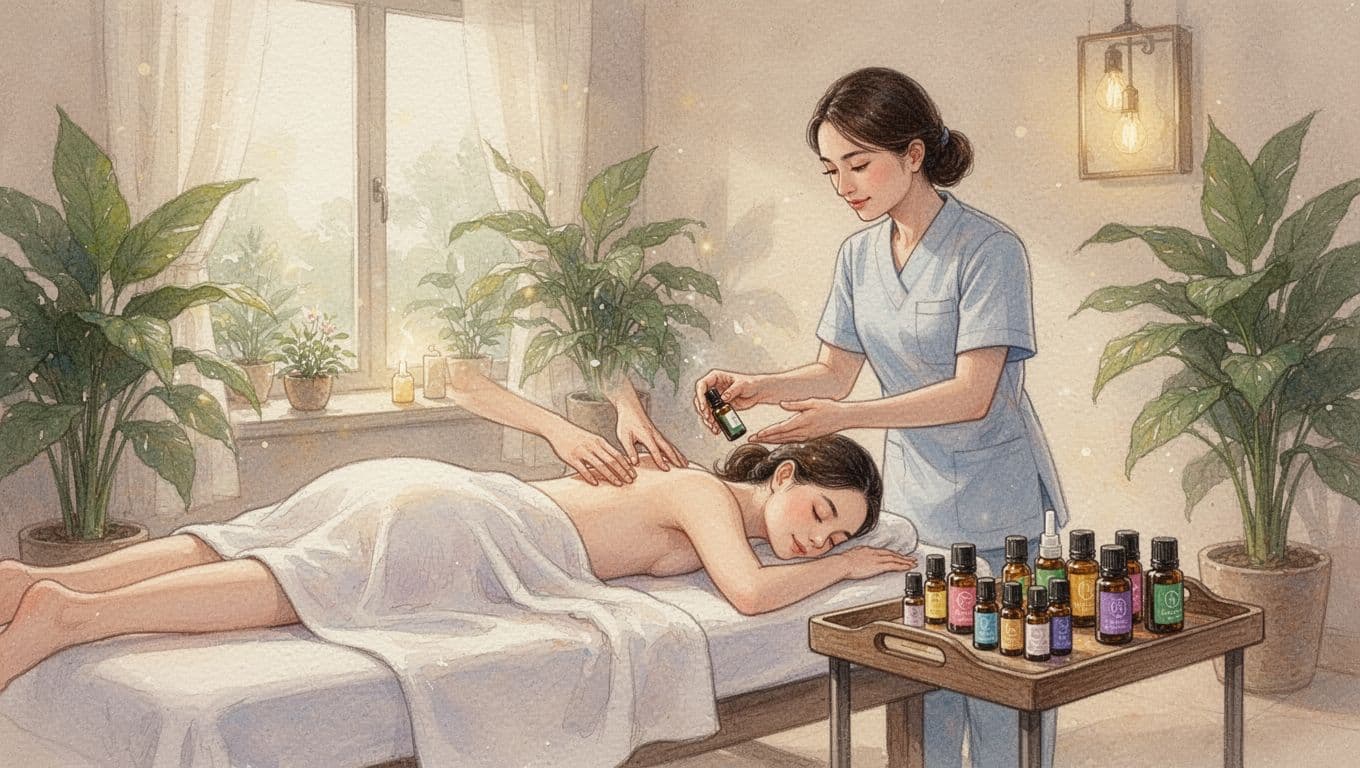
The room is usually warm, dim, and quiet. Soft music may play in the background, and you’ll be properly draped the whole time. Once the massage starts, the strokes are often slow and flowing, with gentle to medium pressure. In many spas, Aromatherapy Massage is paired with Swedish-style relaxation techniques, so expect long gliding strokes, light kneading, and a steady rhythm rather than intense deep-tissue work.
At some point, your therapist may invite you to take a few slow breaths as you notice the scent. That moment can feel surprisingly grounding. The aroma doesn’t need to shout to be effective. Often, it works more like a low lamp than a spotlight, quietly changing the mood of the whole room.
How you may feel right after the treatment
Right after an Aromatherapy Massage, many people feel deeply calm, almost as if the edges of the day have gone soft. You may feel sleepy, loose, lighter in your body, or mentally clearer. Tight shoulders can seem less guarded, and a busy mind may finally sound quieter.
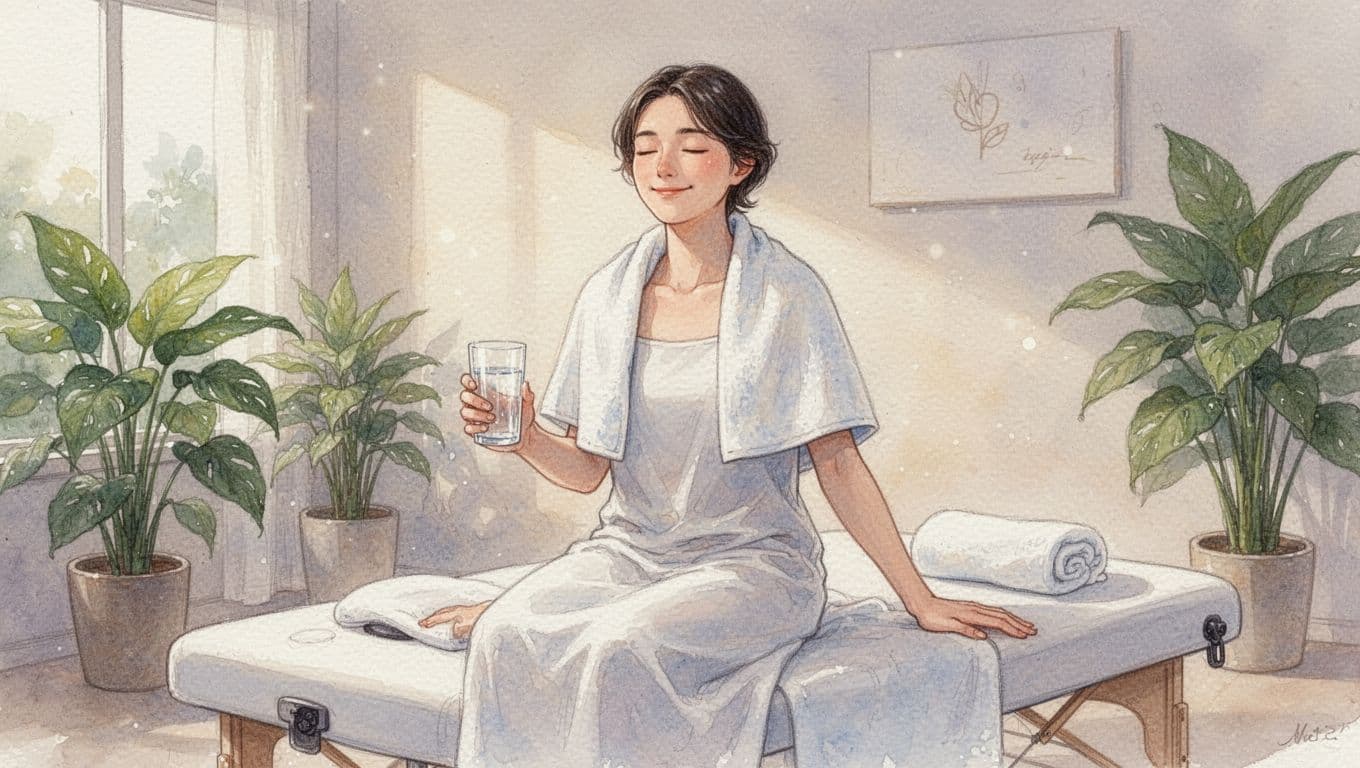
Some people also notice an emotional release. That can mean a wave of relief, a few tears, or just a strong sense of exhale. Others leave feeling refreshed and clear, like a fogged window has been wiped clean. All of those responses can be normal.
After your session, drink water and give yourself a slower pace if you can. A quiet walk, a light meal, or a calm evening usually fits better than jumping straight into noise and errands. If rest is available, take it. Your body has just shifted gears, and it helps to let that calm settle in.
The best aftercare is simple: hydrate, move gently, and give the treatment room to keep working.
When Aromatherapy Massage may not be the right fit
Aromatherapy Massage isn’t the best match for every person on every day, and that’s okay. Smart choices matter more than pushing through. If you have known allergies to essential oils, very sensitive skin, asthma triggered by fragrance, or migraines that flare with scent, speak up before the session starts.
Pregnancy is another time to pause and check first. Some oils may not be suitable, so your therapist should know if you’re pregnant or trying to be cautious. The same goes for rashes, eczema flare-ups, open cuts, sunburn, or irritated skin. Even a gentle oil blend can feel wrong on skin that’s already unhappy.
None of this means you have to avoid massage forever. It simply means the treatment should fit your body. A skilled therapist can often adjust the oils, lighten the scent, patch test a blend, or suggest a different service if needed. Clear communication keeps the experience safe, comfortable, and much more likely to feel good from start to finish.
Why Harmony Massage & Spa in Roysambu Stands Out
When you book an Aromatherapy Massage, the spa itself matters almost as much as the oil. The right place doesn’t feel rushed, loud, or generic. It feels like a quiet exhale. That’s the kind of impression Harmony Massage & Spa in Roysambu aims to give, with a setting and treatment style that fit what most massage lovers want now, which is calm, care, and a session that feels personal.
Because good aromatherapy is never only about scent, what stands out is the full experience. The room, the pace, the therapist’s touch, and the way your needs are heard all shape the result. In a busy area, that kind of steady, thoughtful care can feel like finding shade on a hot day.
A calming space that supports the massage, not distracts from it
Aromatherapy works best when the room helps your body settle. Harmony Massage & Spa in Roysambu stands out when it creates that sense of ease from the start. Soft light, neat treatment spaces, fresh towels, and a quiet atmosphere all matter because your nervous system notices the small things before your mind does.
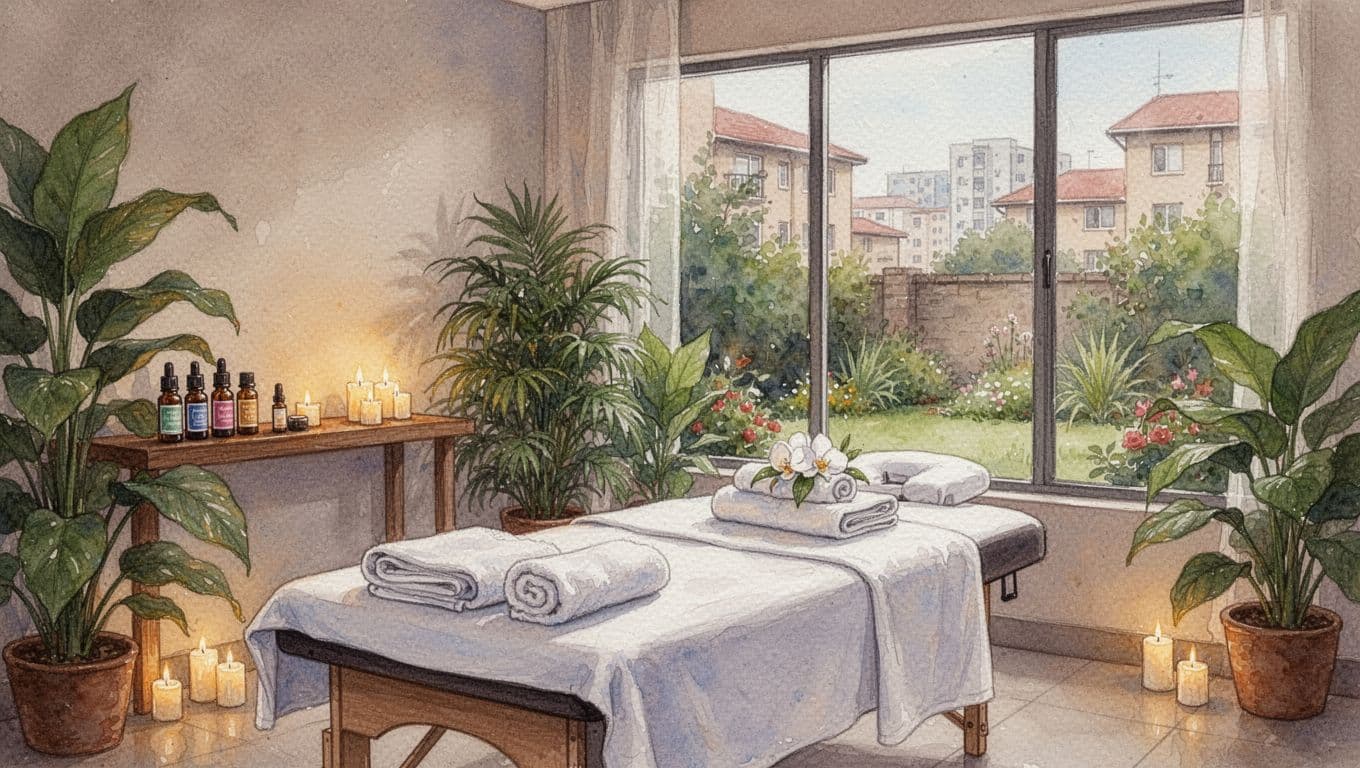
That kind of environment does more than look nice. It helps your shoulders drop, your breathing slow, and your attention turn inward. In other words, the room stops fighting the treatment. Instead, it supports it.
A good spa setting often comes down to a few simple things:
- Quiet surroundings: Less noise means less mental clutter.
- Clean, comfortable rooms: You relax faster when the space feels cared for.
- Warm, soothing ambiance: Light and scent should feel gentle, not heavy.
- A sense of privacy: You can let go more easily when you feel at ease.
A great Aromatherapy Massage starts before the first touch, because the room already tells your body it’s safe to unwind.
A more personal approach to Aromatherapy Massage
Many people don’t want a one-note spa visit. They want a treatment that matches how they feel that day. That’s where Harmony Massage & Spa in Roysambu can stand apart. Current spa trends in Nairobi show a clear move toward custom oil blends, especially with familiar oils like lavender, eucalyptus, peppermint, rosemary, and geranium. That matters because no two clients walk in with the same body, mood, or stress load.
A thoughtful therapist pays attention to those differences. Maybe your neck feels like a knotted rope after a long week. Maybe your mind is busy and your sleep has been poor. Or maybe you want your Aromatherapy Massage to feel bright and refreshing, not sleepy. A spa that listens first will almost always give you a better session.
That personal feel often shows up in practical ways:
- The therapist asks about pressure, scent likes, and sore areas.
- The oil blend matches your goal, whether that’s calm, relief, or a reset.
- The massage pace fits your body, instead of forcing you into one routine.
Because of that, the treatment feels less like a preset menu item and more like care shaped around you.
Skilled hands make the biggest difference
Nice oils help, but they can’t replace technique. What often sets a spa apart is the therapist’s ability to combine scent with touch in a way that feels balanced. Harmony Massage & Spa in Roysambu stands out most when the therapist knows how to use Aromatherapy Massage as a full sensory treatment, not just a standard massage with fragrance added on top.
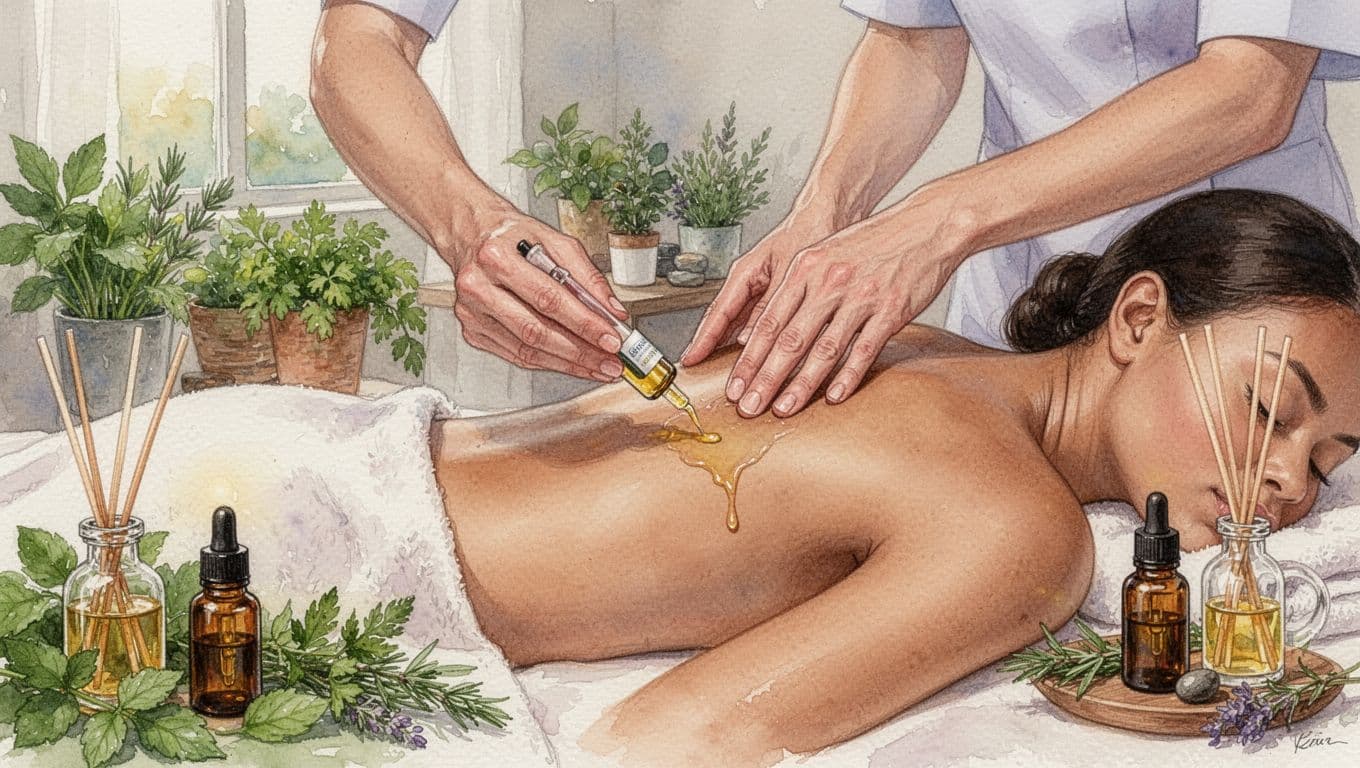
Skilled hands know when to slow down, when to linger on tension, and when lighter pressure will do more than force. That judgment matters. Too much pressure can jar the body awake. Too little can feel vague. The sweet spot is where the massage and the aroma move together, like two instruments in the same song.
You can usually feel that difference right away. The strokes seem more confident. The pressure feels intentional. The session flows instead of stumbling from one move to the next. As a result, the treatment lands deeper and feels worth returning for.
Why location and consistency matter to regular clients
A good spa isn’t only about one great session. It’s also about whether you can come back easily and trust the experience to stay strong. For people in and around Roysambu, convenience matters. When a spa is easy to reach, it becomes more realistic to book that much-needed Aromatherapy Massage before stress builds into a wall.
Consistency matters just as much. People return to the same spa because they want that familiar feeling, the calm welcome, the steady quality, and the sense that the visit won’t be a gamble. In wellness, trust is everything. If a place offers reliable care, clear communication, and a comfortable setting, it stops being just another spa on a list.
That reliability can make a real difference when you want massage to be part of your routine, not a once-a-year treat. After all, the best spa is often the one that helps you relax deeply the first time and makes it easy to want the second visit too.
Conclusion
Aromatherapy Massage brings together two simple comforts, caring touch and the quiet power of scent. That’s why so many people return to it. It can calm a busy mind, soften tight muscles, support better sleep, and turn an ordinary hour into a deeper kind of rest.
Across this guide, the heart of the treatment stays clear. Aromatherapy Massage is more than fragrant oil on the skin. It blends massage with carefully chosen essential oils, often lavender for calm, eucalyptus for a fresh, open feel, and peppermint for cooling relief. During a session, you can expect gentle to medium pressure, a peaceful room, and a blend selected to match your needs. Just as important, proper dilution, patch testing, and honest communication help keep the experience safe and comfortable.
That balance is what makes it feel so worthwhile. It isn’t only a luxury for special days. It can be a thoughtful way to slow down, ease tension, and come back to your body when life feels loud. In 2026, as more people seek softer, more grounded wellness rituals, this kind of massage still holds its place because it feels personal, calming, and real.
If you’re thinking about booking a session, trust the details that matter. Choose a therapist who listens, respects safety, and knows how to pair the right blend with the right touch. Then one massage can become more than a treat, it can become a ritual you return to for steadier breath, lighter muscles, and a calmer sense of self.